

Hot Stamped Parts Offer Clear Advantages in High Strength and Light Weight
Share to : 


Automotive lightweighting is an unavoidable topic. The lighter the vehicle, the lower the fuel consumption and the longer the driving range. However, weight reduction must not compromise safety—especially in the body structure and crash protection systems, where critical areas must remain strong. Hot stamped parts provide a proven solution that meets both the "light" and "strong" requirements simultaneously.
How strong are hot stamped parts? Conventional cold-stamped high-strength steel typically has a tensile strength of 600 to 800 MPa. In contrast, hot-stamped boron steel, after quenching, can achieve 1,500 MPa or more. For the same structural strength requirement, hot stamped parts allow for thinner material thickness and lighter weight. For example, a B-pillar reinforcement panel may require 1.8 mm thick high-strength steel under a cold stamping approach, while a hot stamped solution using 1.2 mm boron steel can achieve equivalent performance—reducing weight by nearly one-third. For the complete vehicle, the more hot stamped parts are used, the lighter the body becomes, and the lower the fuel consumption. This is precisely why modern body designs are increasingly adopting hot stamping solutions.
Another advantage of hot stamping is minimal springback. One of the major challenges in cold stamping of high-strength steel is springback—after forming, the part tends to "spring" back slightly, making dimensional control difficult. Cold-stamped high-strength steel can exhibit springback of several millimeters, requiring repeated die corrections to bring dimensions within tolerance. Moreover, the springback amount varies with each batch of material, causing dimensional fluctuations during production. Hot stamping, however, involves forming at elevated temperatures and quenching within the die, so parts come out with virtually no springback and much higher dimensional accuracy than cold-stamped parts. For automotive body-in-white welding, accurate part dimensions ensure proper alignment during assembly, better fit quality, uniform door gaps, and smooth exterior surfaces.
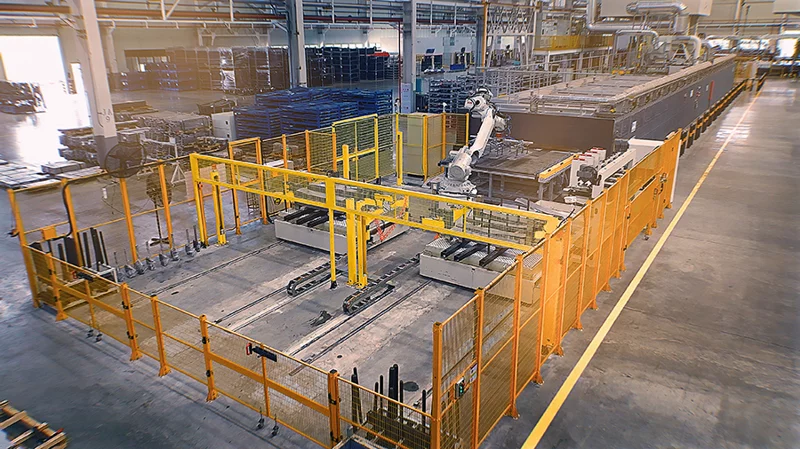
Material utilization with hot stamping is also higher than with cold stamping. Because hot stamping can form complex shapes in a single operation at high temperatures, many shapes that would require multiple cold stamping steps can be completed in one hot stamping step. A complex cold-stamped part might require blanking, drawing, trimming, flanging, and piercing—each step generating material loss. Hot stamping accomplishes all forming in one operation, with no material loss between steps. Fewer process steps also mean fewer dies and less intermediate waste.
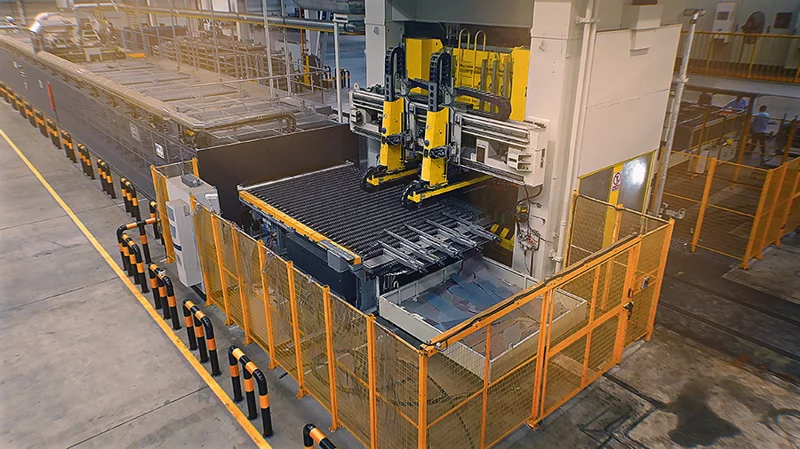
Hot stamped parts are increasingly used in body structures. Key safety components such as B-pillars, door impact beams, front bumper beams, roof rails, and A-pillars are now widely manufactured using hot stamping technology.
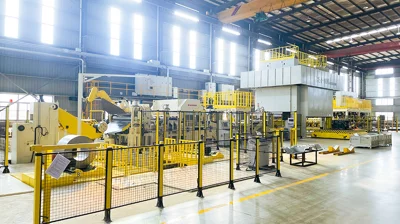
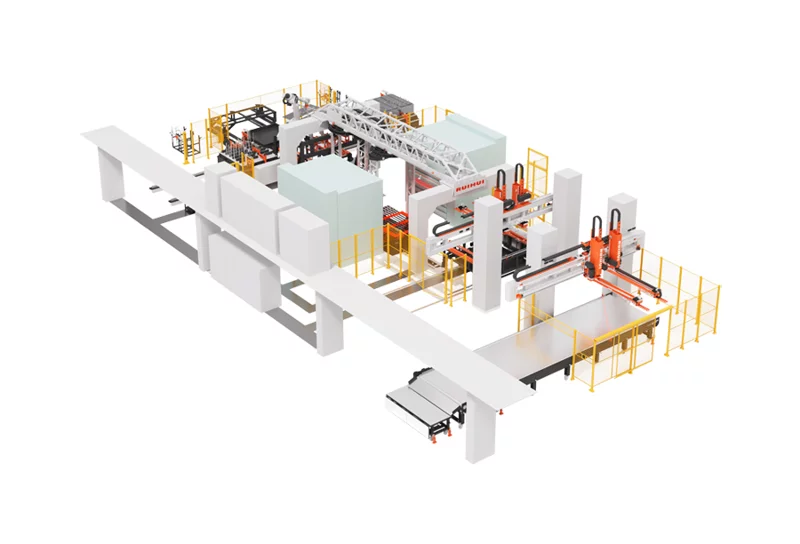
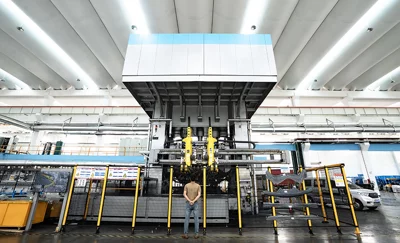
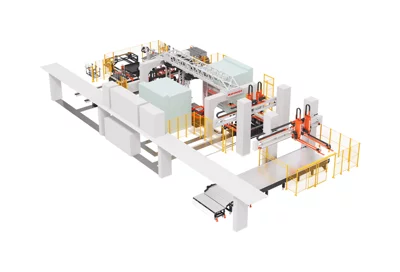
Guangdong RuiHui Intelligent Technology Co., Ltd. provides hot stamping automation solutions serving numerous automotive parts manufacturers. Their offerings range from hot forming transfer robots to full-line planning, covering the entire high-strength steel hot stamping process—from heating and handling to stamping and post-processing. With extensive experience in hot stamping automation, RuiHui delivers mature and reliable complete line solutions to its customers.
With years of hands-on experience, I have honed my skills in navigating the complexities of global commerce, offering invaluable insights and solutions to address customer needs. My commitment to excellence and dedication to customer satisfaction ensure that I deliver exceptional service, guiding clients through every step of the trading process with confidence and proficiency.
You may also like
Related News
Latest Update