

What Is a Hot Stamping Line Detailed Explanation of the Full Process for High-Strength Steel Heating Stamping and Quenching
Share to : 


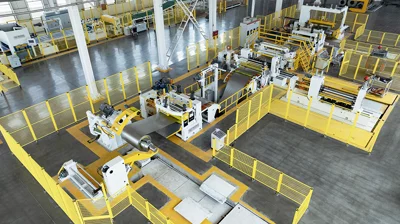
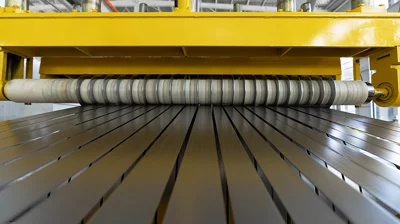
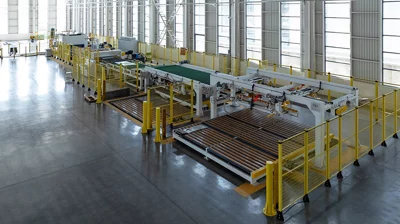
A hot stamping line is a production line specifically used to manufacture hot-stamped high-strength steel parts. First, let's explain why hot stamping is necessary. High-strength steel has high strength, but it is very difficult to form at room temperature—forcing it tends to cause cracking and severe springback. The hot stamping approach is: first heat the high-strength steel sheet to around 800–900°C, transforming its microstructure into austenite, at which point the material becomes soft and easy to form; then stamp it while hot, while the die rapidly cools and quenches it, transforming the microstructure into martensite. Martensite has extremely high strength, so hot-stamped parts offer high strength, light weight, and minimal springback—making them an important support for automotive lightweighting and safety. A hot stamping line is the complete production line that automates this entire process.
The full process of a hot stamping line consists roughly of four stages: heating, feeding, stamping and quenching, and part collection.
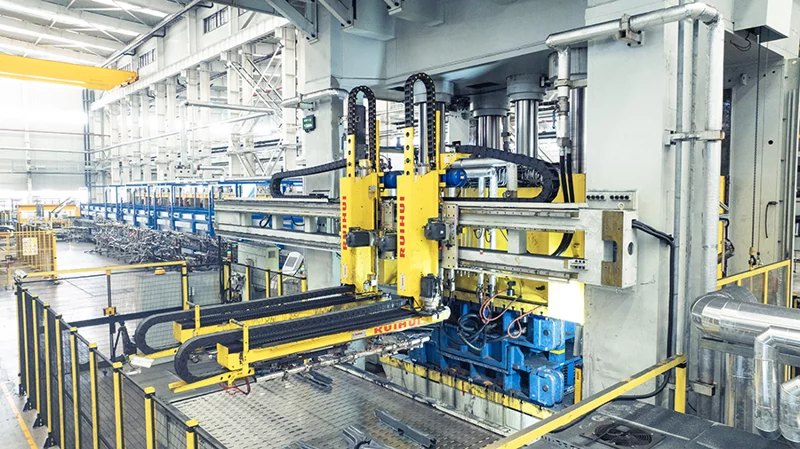
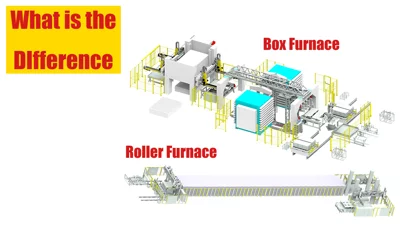
The first stage is heating. The blank is first fed into a heating furnace and heated to the austenitizing temperature—around 800–900°C. The heating time and temperature must be precisely controlled. If the temperature is insufficient, the microstructure transformation is incomplete and forming quality suffers; if the temperature is too high, overburning may occur. Temperature control in the heating furnace is the key to this stage.
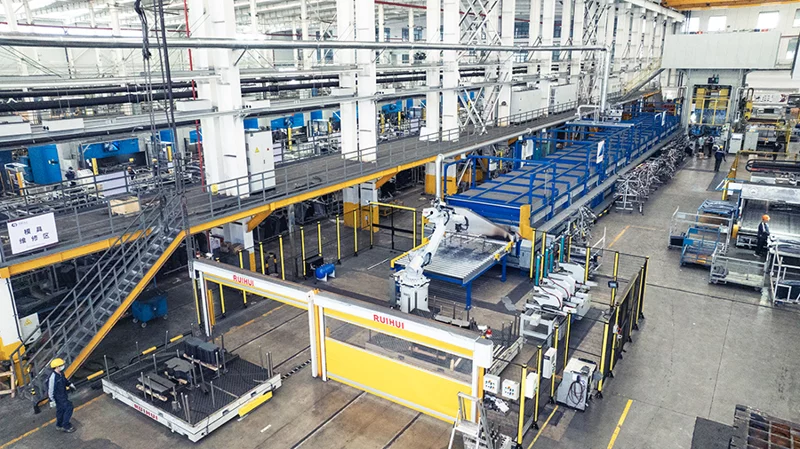
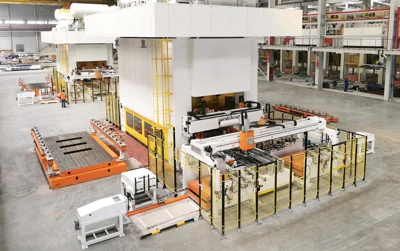
The second stage is feeding. The red-hot blank must be transferred into the press die as quickly as possible. The biggest challenge in this stage is the high temperature. At 800–900°C, humans simply cannot get close, so automated equipment must handle it. The hot stamping loading/unloading robot picks up the blank at the furnace outlet, clamps the red-hot sheet, and quickly feeds it into the press die. Why must the robot's high-temperature resistance be emphasized here? Because it directly contacts the 800–900°C hot blank. This relies on the high-temperature resistance of the end effector material. The end effectors are almost always grippers made from high-temperature alloy materials that can withstand the heat of the hot blank for extended periods without deforming or failing. Suction cups rely on vacuum; rubber and plastic cups cannot endure 800–900°C. Therefore, hot stamping robot end effectors are essentially always grippers—especially during loading, when the red-hot blank is gripped from the furnace outlet, only high-temperature-resistant grippers can be used.
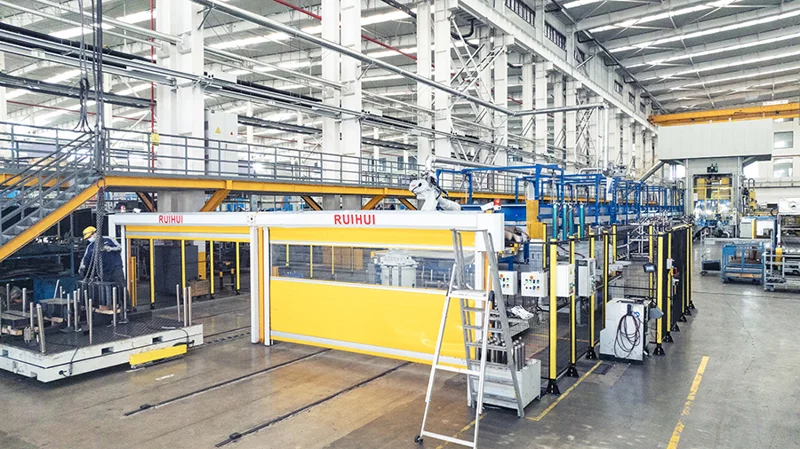
The third stage is stamping and quenching. After the red-hot blank is fed into the die, the press rapidly closes to stamp and form it. At the same time, cooling water channels inside the die circulate water to rapidly cool and quench the formed part. Pressure is held for a period until the microstructure transforms into martensite. The holding time and cooling rate in this stage must be precisely controlled, as they directly determine the strength and hardness of the part.
The fourth stage is part collection. After quenching is complete, the formed part is removed from the die by the robot and sent to the next stage. Although the formed part has cooled considerably, it is still very hot, and the robot must be able to handle the high-temperature conditions.
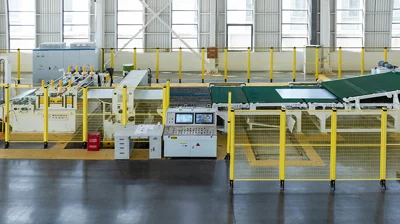
The control of the entire line is highly sophisticated. The heating furnace, press, loading/unloading robots, and front/back-end conveyors—all these devices must work together as seamlessly as a single machine, coordinated by a centralized line control system. Parameters such as furnace discharge timing, robot pick-up timing, press stroke timing, and holding time must all be precisely set. Since the robots work near high-temperature environments for extended periods, their drive and control systems must be designed with thermal insulation and heat dissipation to ensure stable continuous operation.
What the hot stamping line solves is stamping production under high-temperature conditions where humans simply cannot participate. From blank entry into the furnace to finished part exit, the entire process is automated without manual labor—this is the prerequisite for mass production using hot stamping.
Guangdong RuiHui Intelligent Technology Co., Ltd. has been deeply engaged in the field of stamping automation for over twenty years. It is a national "Specialized and Sophisticated" "Little Giant" enterprise, headquartered in Dongguan, with more than 400 employees and over 80 R&D personnel. In the field of hot stamping lines, RuiHui provides integrated solutions for heating furnace loading/unloading robots, press loading/unloading robots, and complete line control systems. The robots offer reliable high-temperature performance, fast transfer speed, and high positioning accuracy, with mature applications in the production of automotive hot-stamped parts. RuiHui has nearly 5,000 sets of equipment operating at customer sites both domestically and internationally, serving well-known OEMs and first-tier suppliers such as BYD, Geely, Volkswagen, Tesla, BMW, Mercedes-Benz, Honda, and Land Rover Jaguar.
With years of hands-on experience, I have honed my skills in navigating the complexities of global commerce, offering invaluable insights and solutions to address customer needs. My commitment to excellence and dedication to customer satisfaction ensure that I deliver exceptional service, guiding clients through every step of the trading process with confidence and proficiency.
You may also like
Related News
Latest Update