

How to Plan a Single‑Press Multi‑Station Stamping Line Stamping Process Layout Design Methodology
Share to : 


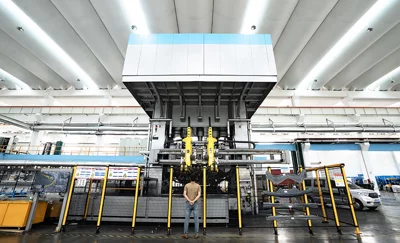
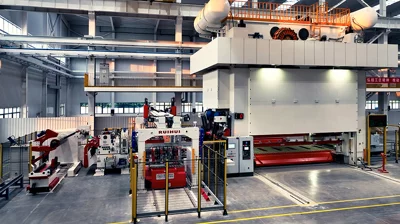
A single‑press multi‑station stamping line consolidates multiple stamping processes within one press, with workpieces transferred between dies by 3‑axis transfer manipulators. It features concentrated processes, small footprint and fast takt time. Nevertheless, its performance depends heavily on planning, especially process layout design. Key planning steps are outlined below.
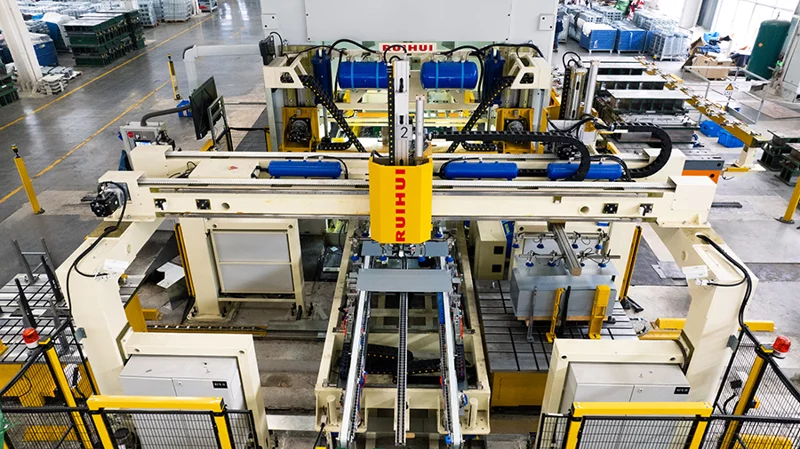
First, clarify the process route. As the initial planning step, sort out all stamping operations including punching, blanking, forming and sizing, and confirm their sequence, which lays the foundation for station arrangement. Normally punching comes before blanking, yet adjustments shall be made according to actual product features. The number of stations is determined once the process flow is defined.
Second, confirm the number of stations. The quantity of stations generally corresponds to the number of processes. However, excessive stations will lead to dense die arrangement, longer travel of 3‑axis transfer manipulators and reduced production takt. Balance process requirements against takt performance. Merge feasible processes to cut down station count. This step shall be coordinated with die design, since compound dies can reduce the required number of stations.
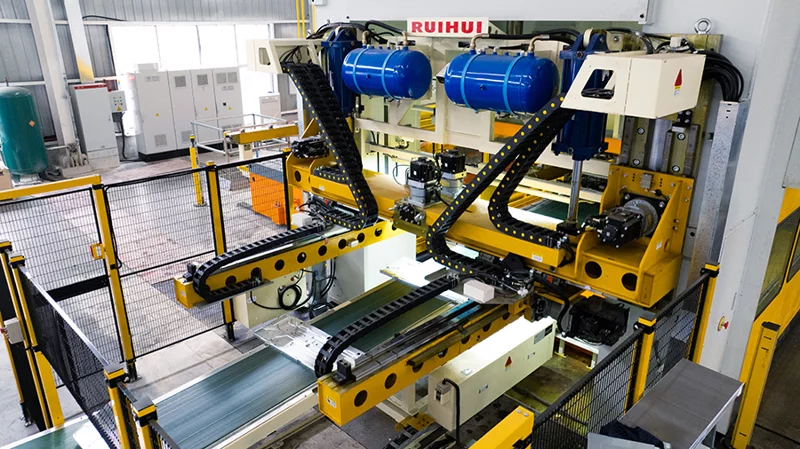
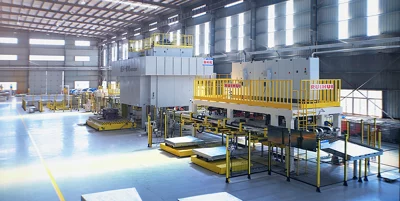
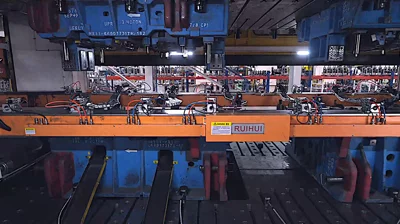
Third, arrange dies on the press bolster. Several factors shall be considered: avoid mutual die interference and reserve sufficient space for manipulator pick‑and‑place operations; arrange dies following the process sequence so workpieces pass each station sequentially from feeding to discharging; guarantee reliable positioning reference at every station to secure stamping accuracy. Rational die layout ensures smooth line operation.
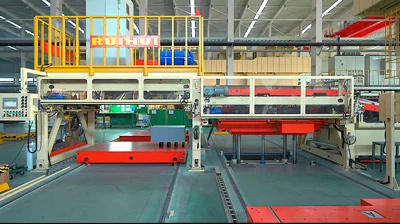
Fourth, configure the 3‑axis transfer manipulator. As the core equipment, its stroke shall cover all stations, payload shall handle the heaviest workpiece, and speed shall meet target takt. Carefully design time‑sequence coordination between manipulator and press: the manipulator can move only after press stamping is completed and the slide reaches the designated position; the press is permitted to stamp only after the manipulator places the workpiece and retracts. Poor timing matching will limit takt and even cause die collision.
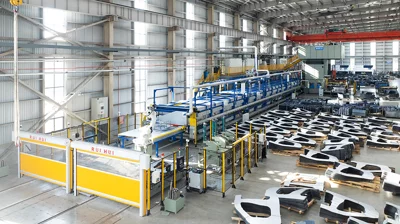
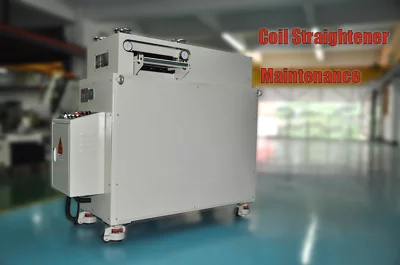
Fifth, implement feeding and discharging systems. Equip upstream feeding equipment to deliver blanks to the first station and downstream receiving equipment for finished‑part collection. Select feeders for coil material and destackers for sheet blanks. For small‑size finished parts, adopt conveyor belts plus material bins; deploy manipulator stacking for large workpieces. Smooth connection between upstream‑downstream units and intermediate stamping stations enables continuous production.
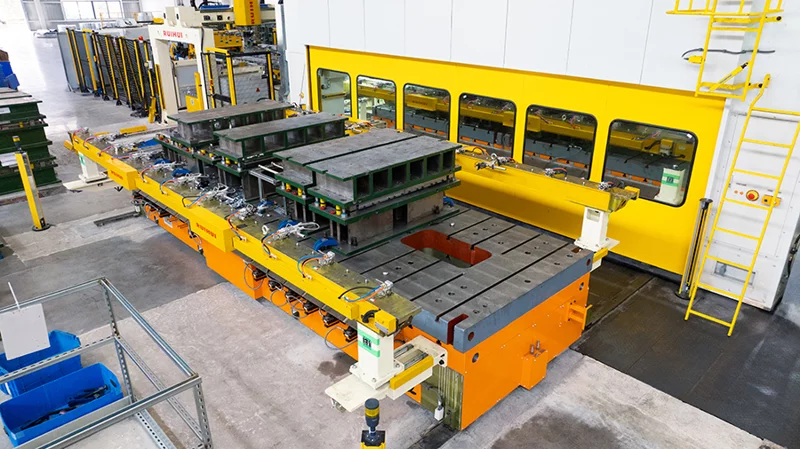
Finally, carry out safety design. The die zone is a hazardous area and shall be enclosed with safety fences and safety light curtains to prevent personnel access. Safety interlocks between 3‑axis transfer manipulator and press are mandatory to trigger automatic shutdown under any abnormal condition.
In essence, planning a single‑press multi‑station stamping line is to integrate processes, dies, manipulators and peripheral equipment into a smoothly‑running system. Follow the workflow: define process → confirm stations → arrange dies → configure manipulator → select upstream‑downstream equipment. Involve experienced suppliers in solution design for a well‑planned production line.
Guangdong Ruihui Intelligent Technology Co., Ltd. has over 20‑year experience in stamping automation and is a national Specialized, Refined, Differential and Innovative “Little Giant” enterprise. Headquartered in Dongguan, it has more than 400 employees including over 80 R&D engineers. Ruihui has rich experience in single‑press multi‑station stamping line planning. The company participates in process sequencing, die layout and station design based on customers’ product processes, and supplies 3‑axis multi‑station transfer manipulators as well as supporting feeding and discharging units. Manipulator stroke and payload can be customized for specific station layouts. Complete timing coordination and safety interlocks with the press are implemented for turn‑key whole‑line delivery. Nearly 5,000 sets of Ruihui‑manufactured equipment are running for domestic and overseas customers, serving well‑known OEMs and Tier‑one suppliers such as BYD, Geely, Volkswagen, Tesla, BMW, Mercedes‑Benz, Honda and Jaguar Land Rover, with solid expertise in multi‑station production‑line planning.
With years of hands-on experience, I have honed my skills in navigating the complexities of global commerce, offering invaluable insights and solutions to address customer needs. My commitment to excellence and dedication to customer satisfaction ensure that I deliver exceptional service, guiding clients through every step of the trading process with confidence and proficiency.
You may also like
Related News
Latest Update