

Are Home Appliance Sheet Metal Narrow-Strip Slitting Lines Efficient
Share to : 


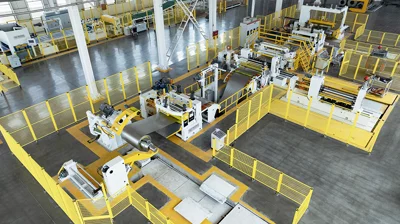
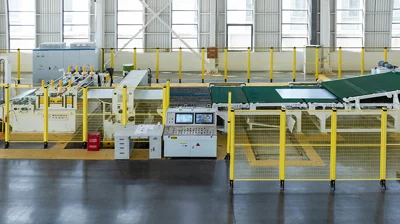
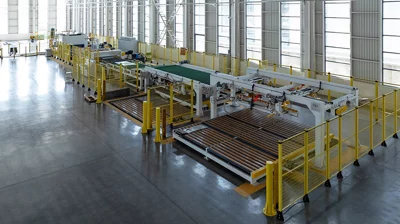
The narrow strips used for home appliance sheet metal—such as refrigerator side panels, washing machine shells, and air-conditioner panels—are mostly slit from wide coils. The task of a slitting line is to cut a wide coil into narrow strips, which are then rewound into coils or fed to a stamping line for use. The slitting efficiency of home appliance sheet metal narrow strips is directly related to the output of the entire production line.
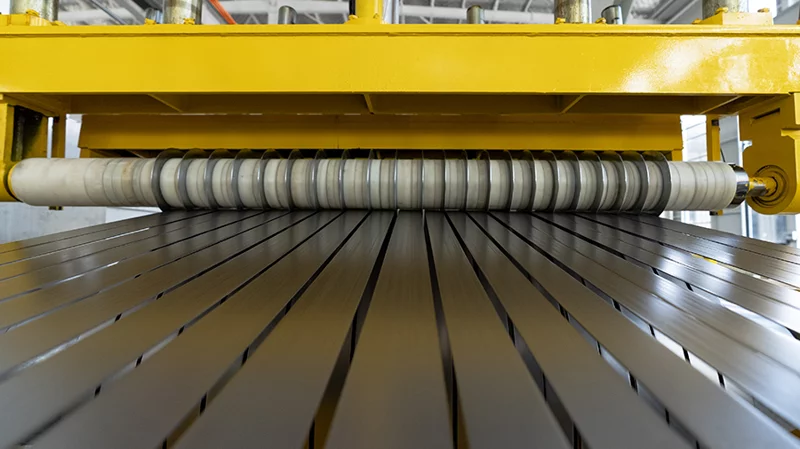
The slitting efficiency of a slitting line processing home appliance sheet metal narrow strips depends on several factors.
Slitting speed. The slitting speed determines how many meters of strip can be processed per unit of time. It is limited by cutter-shaft speed, material thickness, and recoiling speed. Cold-rolled steel and galvanized steel commonly used in home appliance sheet metal are typically 0.3 to 1.5 mm thick, a range in which relatively high slitting speeds can be achieved. However, speed should not be pursued blindly. If the speed is too high, cutter-shaft vibration increases and burr control deteriorates, which in turn affects quality. A good slitting line finds a balance between speed and quality, raising speed as much as possible while ensuring slitting quality.
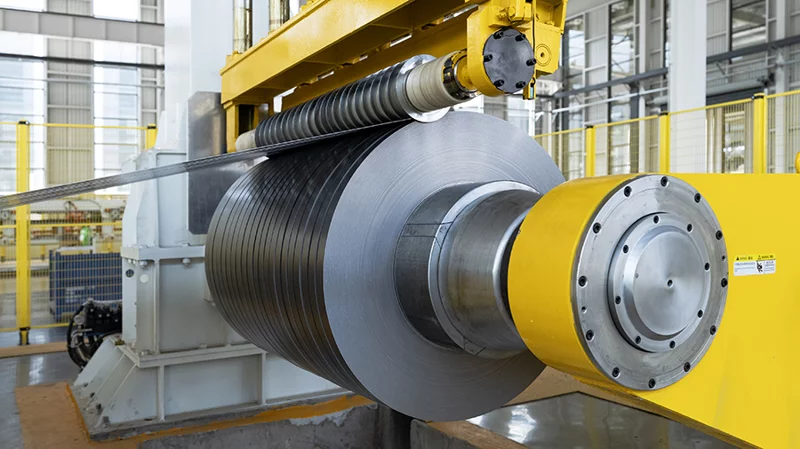
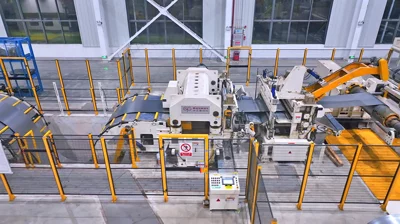
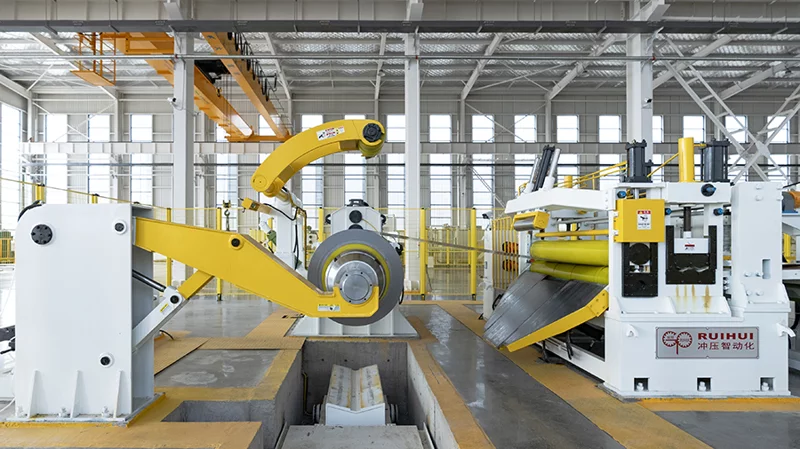
Coil changeover efficiency. After finishing one coil, the line must change to the next. Coil changeover time affects the effective running time of the whole line. An automatic coil-loading trolley enables automatic centering of the coil and automatic insertion onto the mandrel, eliminating the time spent on manual alignment. An automatic thread-up mechanism removes the step of manually pulling the strip head through the machine. A dual-recoiler configuration allows recoiling to be switched without stopping the line: when one coil is fully wound, it automatically switches to the other, so slitting continues without interruption. With these automation features in place, coil changeover time is short, and the line's effective running time is long.
Number of slitting passes. The number of blades that can be mounted on one cutter shaft determines how many narrow strips can be slit at the same time. The more slitting passes, the more narrow strips are produced in one pass, and the higher the efficiency. But too many passes also cause problems—the cutter shaft becomes too long, rigidity drops, blade spacing becomes too narrow, and recoiling becomes more difficult. Therefore, the number of slitting passes should be determined comprehensively based on the narrow strip width and material thickness; more is not always better.
Coil winding quality. After slitting, home appliance sheet metal narrow strips are wound into coils and sent to the stamping line for use. If coil winding quality is poor—uneven tension or misaligned coil ends—the strip drifts when the customer uncoils it, and stamping feeding runs into trouble. A good slitting line is equipped with servo tension control, which sets the winding tension of each narrow strip individually and adjusts it in real time, producing coils with even tension and neat ends. When coil winding quality is good, downstream customers use the material smoothly, and efficiency naturally improves.
Automation replacing manual labor. In the slitting scenario, automation brings the most obvious efficiency gains in the coil changeover and coil winding stages. Previously, coil changeover was manual: using an overhead crane to hoist the coil, aligning it, and mounting the mandrel took more than half an hour in total; now, an automatic coil-loading trolley finishes it in a few minutes. Previously, recoiling was manual: once a coil was fully wound, the line had to be stopped to change coils; now, the dual recoilers switch automatically and production continues without stopping. Workers are freed from these repetitive tasks and only need to monitor the equipment. At the same time, mechanical slitting is more accurate and consistent than manual operation, with stable narrow-strip width tolerances and guaranteed product consistency. Workers also stay away from the running cutter shaft and recoiling mechanism, reducing safety hazards.
Guangdong Ruihui Intelligent Technology Co., Ltd. has been deeply engaged in the stamping automation field for more than 20 years. It is a national Specialized, Refined, Differentiated and Innovative "Little Giant" enterprise, headquartered in Dongguan, with more than 400 employees and over 80 R&D personnel. Ruihui has mature technical solutions in the slitting line field. Tailored to the characteristics of home appliance sheet metal narrow-strip slitting, it has made targeted configurations in slitting speed, coil changeover efficiency, and coil winding quality control, and supports automation features such as automatic coil-loading trolleys, automatic thread-up, and dual recoilers. Nearly 5,000 sets of Ruihui equipment are running at customer sites at home and abroad, serving well-known OEMs and Tier-one suppliers such as BYD, Geely, Volkswagen, Tesla, BMW, Mercedes-Benz, Honda, and Jaguar Land Rover.
With years of hands-on experience, I have honed my skills in navigating the complexities of global commerce, offering invaluable insights and solutions to address customer needs. My commitment to excellence and dedication to customer satisfaction ensure that I deliver exceptional service, guiding clients through every step of the trading process with confidence and proficiency.
You may also like
Related News
Latest Update