

Can Automatic Stacking with a Blanking Line Stacker Achieve Unmanned Production
Share to : 


The stacking stage at the end of a cut-to-length blanking line has long been one of the most physically demanding and tedious jobs on the shop floor. Once products are produced, they need to be neatly stacked, with care taken to protect surfaces and prevent stacks from toppling. Many companies have now adopted automatic stackers, but is full unmanned operation really achievable? Let's take a closer look.
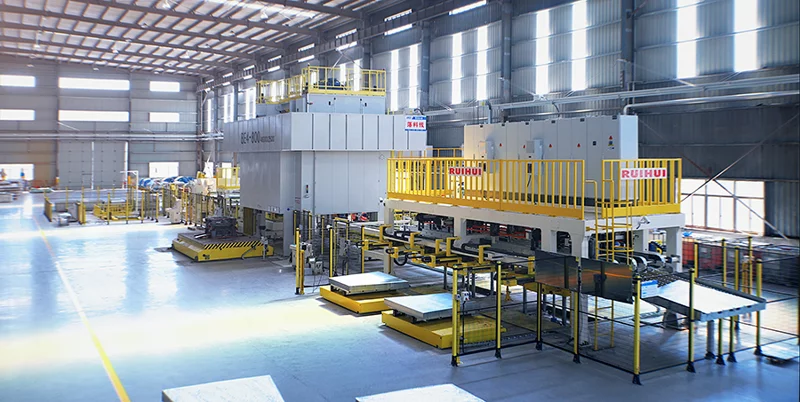
The stacker is indeed a critical piece of equipment for achieving unmanned operation at the back end of a production line.
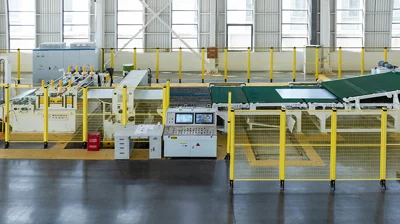
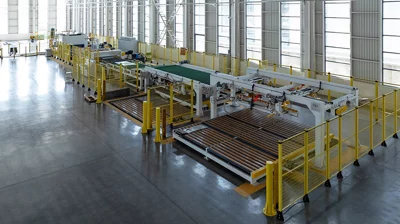
Whether it's sheets coming off a cut-to-length blanking line or semi-finished parts from a stamping line, if they can be automatically stacked and neatly arranged, there is no longer a need for dedicated personnel at the back end. Modern stackers, combined with automatic conveyors and positioning systems, can perform automatic sorting and layered stacking, and can even automatically adjust stack patterns to suit different bin specifications. When paired with AGVs (Automated Guided Vehicles), once a stack is complete, it can be automatically transported away, and empty bins can be automatically replenished—making this entire segment truly unattended. Some customers have already achieved lights-out operation at the back end of their lines, with operators only needing to replenish bins during shift changes.
The challenges lie in irregularly shaped parts and surface protection.
If the parts are regular rectangular sheet metal pieces, stacking is relatively straightforward and can be adequately handled by a standard stacker. However, for irregularly shaped stampings—especially automotive body panels or home appliance surfaces with high surface quality requirements—the stacking process must ensure both accurate positioning and protection against surface scratches. This places higher demands on conveyor design and stacking programming capabilities, often requiring magnetic stacking solutions. Additionally, as stack height increases, maintaining stack stability and preventing toppling must also be addressed. Some stackers are equipped with anti-topple programs that automatically adjust stacking angles and interlayer paper placement strategies based on part geometry—these details are what determine whether truly unmanned operation can be achieved. For easily scratchable materials such as stainless steel, interlayer protection with paper or plastic film is also required during stacking.
Coil handling at the front end also affects the realization of full-line unmanned operation.
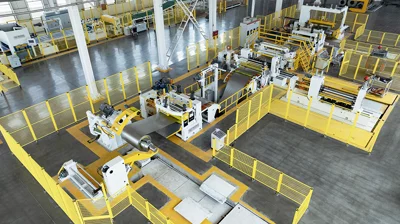
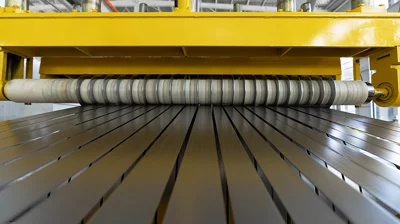
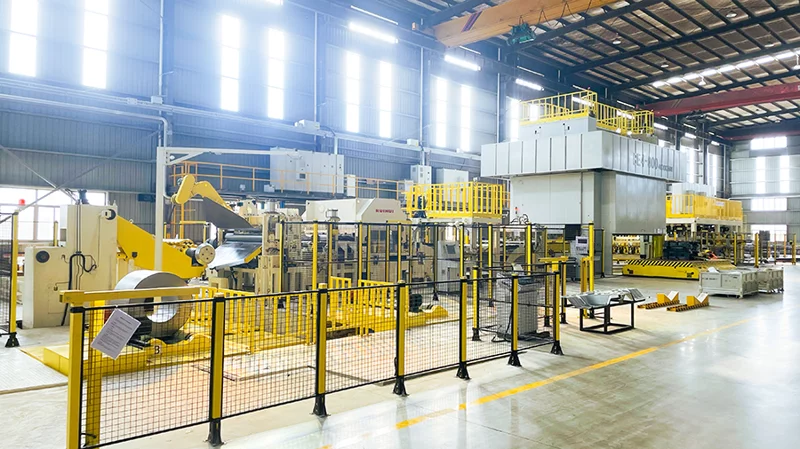
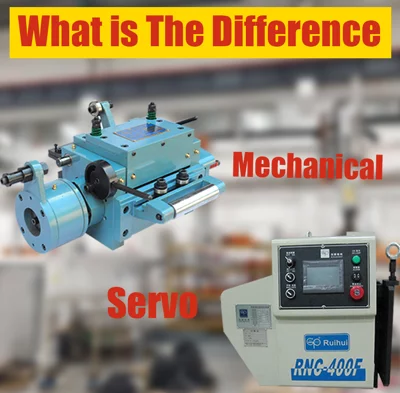
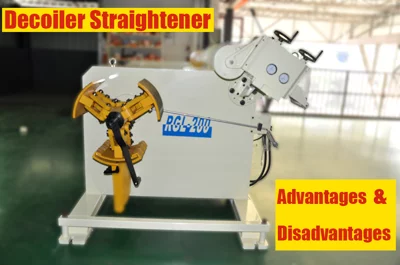
To achieve unmanned operation across the entire line, not only must the back-end stacking be automated, but the front-end feeding system must also be automated. Typically, a three-in-one feeding machine is used to uncoil, level, and precisely feed the coil material into the press or shear, with the entire system's cutting rhythm, stacking speed, and line pace all coordinated and controlled together.
Guangdong RuiHui Intelligent Technology Co., Ltd. has over two decades of experience in stamping automation, with its complete stamping automation solutions covering every stage—from decoiling and feeding to stamping and stacking. RuiHui's blanking lines are equipped with three-in-one feeders and shears at the front end, and paired with gravity stackers or magnetic stackers at the back end, forming a complete closed-loop system from coil loading to sheet stacking.
With years of hands-on experience, I have honed my skills in navigating the complexities of global commerce, offering invaluable insights and solutions to address customer needs. My commitment to excellence and dedication to customer satisfaction ensure that I deliver exceptional service, guiding clients through every step of the trading process with confidence and proficiency.
You may also like
Related News
Latest Update