

How to Select a Three-in-One Feeder for Different Press Tonnages
Share to : 


In stamping workshops, presses come in different sizes, and the feeders matched to them also differ. Many customers ask how to select a three-in-one feeder. The first thing is to look at the specifications of the press they are using. Presses of different specifications handle different material widths, thicknesses, and cycle times, so the configuration of the three-in-one feeder must also change accordingly. So how should a three-in-one feeder be selected for presses of different specifications? Here are several considerations.
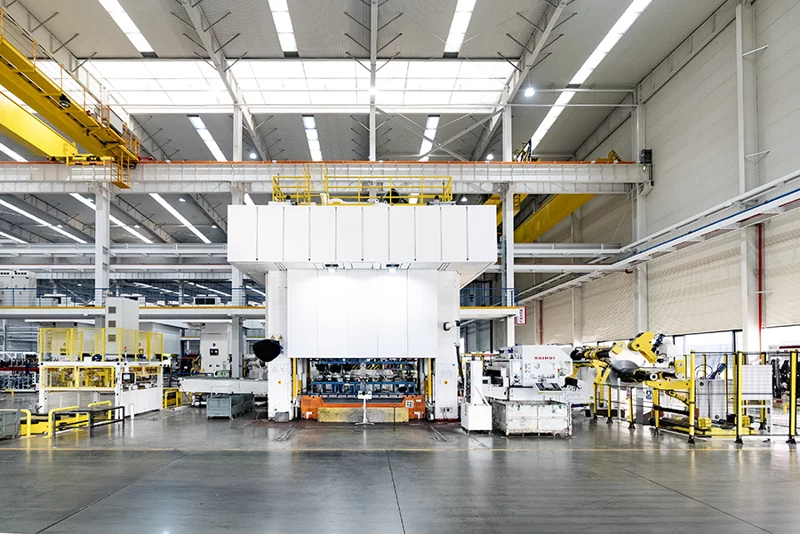
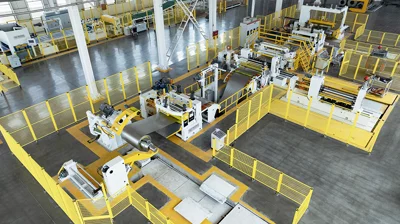
First, consider material width and thickness. Large presses often stamp wider and thicker sheets; small presses generally handle narrower and thinner strip. The material width and thickness range of the three-in-one feeder must match the sheets actually processed on the press. For large presses, the feeder should have a larger width range and a wider thickness range, and the leveling and feeding mechanisms must be able to handle wider and thicker strip. For small presses, a smaller feeder is sufficient, making the equipment more compact and space-saving.
Next, consider cycle time requirements. Different press specifications have different stamping cycle times. Large presses often stamp large parts at relatively slower cycle times; small presses stamp small parts and can run at very fast cycle times. The feeding speed of the three-in-one feeder must match the press cycle time. For high-cycle presses, the feeder's feeding speed must keep up, and a fast-responding servo drive is needed to meet high-speed feeding requirements.
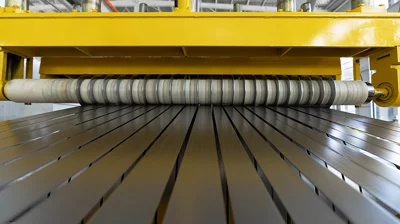
Next, consider leveling requirements. The thicker the strip, the more difficult leveling becomes. Large presses paired with thick sheets place higher demands on the leveling mechanism: larger roll diameter, sufficient number of rolls, and a sturdy frame are needed to apply enough straightening force to thick material. Small presses mostly handle thin sheets, which demand higher leveling accuracy. Thin material is sensitive to leveling accuracy, so the roll system must be precise and the pressure controllable.
Also consider feeding accuracy. Products stamped on presses of different specifications have different accuracy requirements. Small precision parts require high accuracy, so feeding accuracy must keep up; large parts have relatively looser accuracy requirements but demand higher feeding stability. During selection, match the feeding accuracy to your product's accuracy requirements.
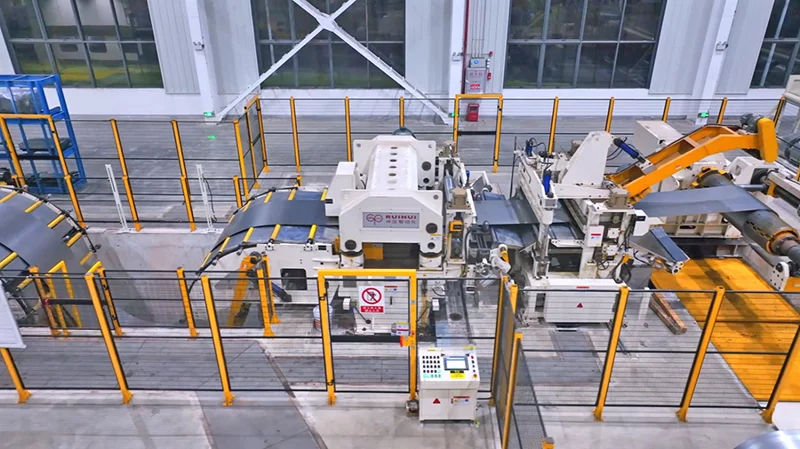
It should be noted that when selecting a three-in-one feeder, the key is not the press tonnage number itself, but what material the press actually processes. The same press may stamp thick sheets in one case and thin sheets in another, requiring different feeders. Tell the manufacturer your material width, thickness, cycle time, and accuracy requirements, and let them configure according to actual processing needs—this is more reliable than selecting based on tonnage alone.
There is also the changeover requirement. Workshops often have presses of various specifications and a mix of product specifications. A three-in-one feeder with recipe memory can store parameters for different products as recipes, recalled directly during changeover—convenient. Consider this requirement during selection; for workshops with frequent multi-specification switching, this function is very practical.
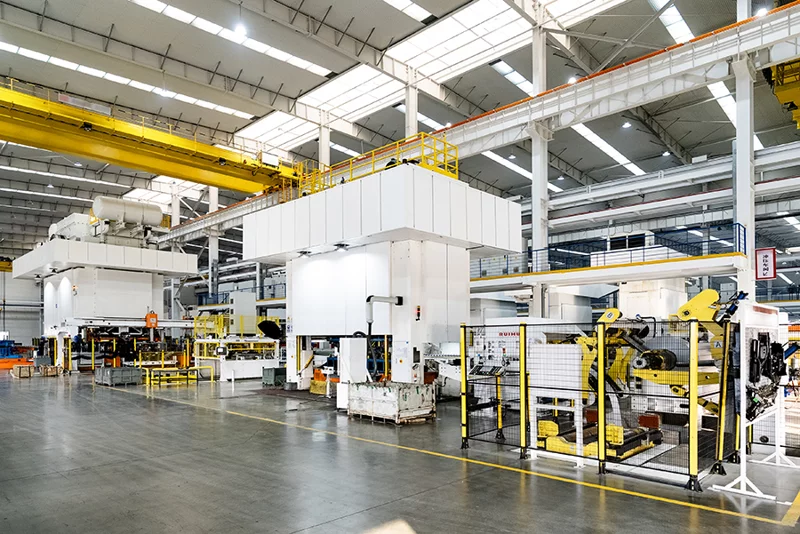
Finally, selecting a three-in-one feeder for presses of different specifications is essentially about matching—matching the equipment's material width and thickness, feeding speed, and leveling capability to the sheets and cycle times actually processed on the press. Clearly explain your actual situation to the manufacturer and let them propose a targeted solution, and you will get equipment that works smoothly.
Guangdong RuiHui Intelligent Technology Co., Ltd. has been deeply engaged in the field of stamping automation for over twenty years. It is a national "Specialized and Sophisticated" "Little Giant" enterprise, headquartered in Dongguan, with more than 400 employees and over 80 R&D personnel. RuiHui's three-in-one feeder product line covers multiple specifications and can adapt to the stamping needs of presses of different specifications. Material width and thickness range, feeding speed, and leveling capability can all be customized according to the customer's actual sheets and cycle time. They are equipped with automatic loading trolleys and recipe memory functions for quick changeover across multiple specifications. RuiHui has nearly 5,000 sets of equipment operating at customer sites both domestically and internationally, serving well-known OEMs and first-tier suppliers such as BYD, Geely, Volkswagen, Tesla, BMW, Mercedes-Benz, Honda, and Land Rover Jaguar, with rich experience in feeding equipment.
With years of hands-on experience, I have honed my skills in navigating the complexities of global commerce, offering invaluable insights and solutions to address customer needs. My commitment to excellence and dedication to customer satisfaction ensure that I deliver exceptional service, guiding clients through every step of the trading process with confidence and proficiency.
You may also like
Related News
Latest Update