

What Parameters Should Be Considered When Selecting a Three-in-One Feeder
Share to : 


When a stamping workshop needs to equip a three-in-one feeder, selection is a technical task. For the same equipment, whether the parameters are chosen correctly directly affects feeding accuracy, leveling quality, and service life. So what parameters should be considered when selecting a three-in-one feeder? Let's go through them, and selection will become clear.
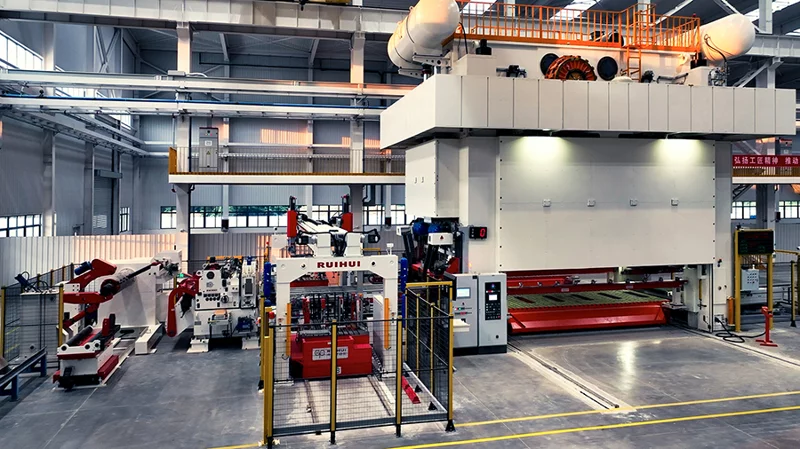
The first is the material width range. The strip width that a three-in-one feeder can handle has a range. During selection, inform the manufacturer of the maximum and minimum widths of the strips you commonly use, so that the equipment's width range covers your needs. If the width range is too small, wide strips cannot be fed; if too large, centering narrow strips during feeding becomes troublesome. Matching the width range to your products is the first step in selection.
The second is the material thickness range. Material thickness determines the configuration of the leveling rolls and feed rolls. The leveling requirements for thin and thick materials are completely different. Thin materials are sensitive to leveling accuracy, while thick materials require greater straightening force. Inform the manufacturer of your commonly used thickness range so the leveling mechanism can be configured accordingly. Pay special attention to the leveling capability for the thickest material—this is where the equipment's true strength is tested.
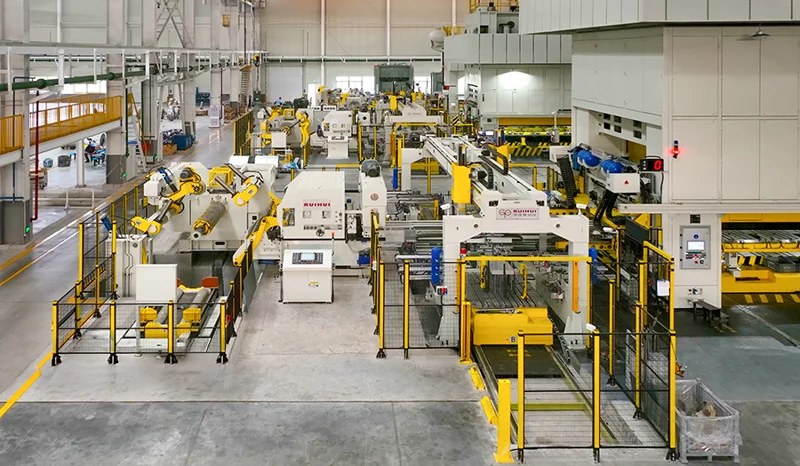
The third is feeding accuracy. Feeding accuracy directly determines the accuracy of the stamping position and affects product consistency. Three-in-one feeders use servo motor drive with real-time encoder feedback, ensuring feeding accuracy. During selection, confirm the equipment's actual feeding accuracy and see whether it meets your product's tolerance requirements. Products with high accuracy requirements also demand high feeding accuracy.
The fourth is feeding speed. Feeding speed must match the press cycle time. If the cycle time requirement is demanding, the feeding speed must keep up, and the press must not have to wait for material. But faster is not always better—high-speed feeding places higher demands on stability. During selection, inform the manufacturer of your target cycle time so they can confirm whether the equipment can feed stably at that cycle time.
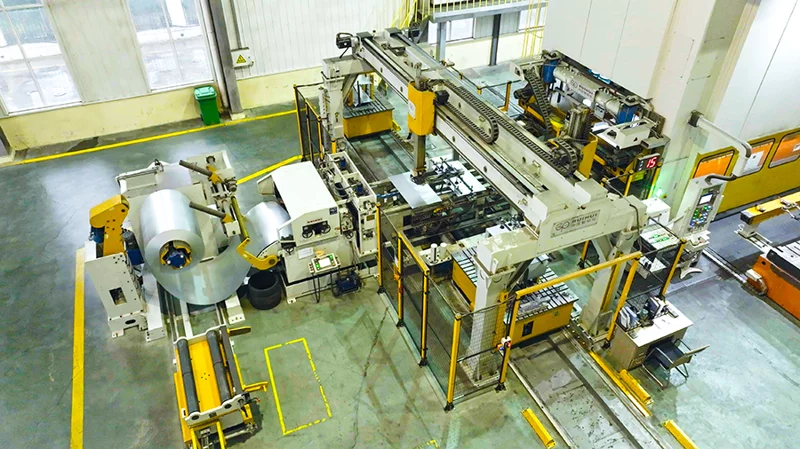
The fifth is leveling capability. Leveling is the foundation for stable feeding. Coils have internal stresses. If the strip is not flat, feeding becomes unstable, and stamping quality suffers. The number of leveling rolls, roll diameter, and backup pressure design determine the leveling effect. During selection, examine the leveling mechanism's capability, especially for the thickness you commonly use.
The sixth is feeding height and direction. The three-in-one feeder must coordinate with the press and die. The feeding height must align with the die's feed position, and the feeding direction must match the press's feed direction. During selection, provide the manufacturer with the press parameters and die position so the equipment's feeding height and direction match the site conditions.
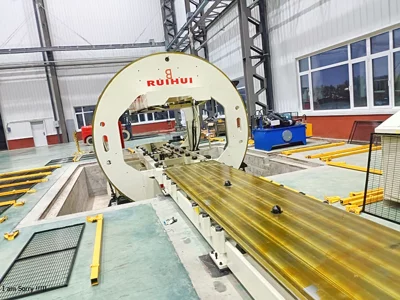
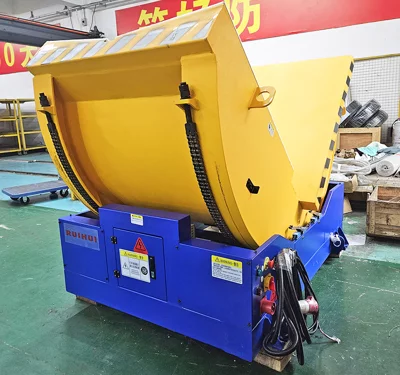
The seventh is automation support. The degree of automation of a three-in-one feeder is reflected in steps such as loading and material changeover. Automatic loading trolley: the coil is hoisted on, automatically centered, and automatically fed in. Oiling device: sheets are automatically oiled before feeding. Recipe memory: rapid switching between multiple product parameters. When these supporting features are in place, the equipment is truly worry-free to use.
Finally, the selection approach. Selecting a three-in-one feeder is essentially about matching the equipment's parameters to your production needs. Think clearly about material width, material thickness, accuracy, cycle time, and site conditions, and communicate fully with an experienced manufacturer. Let them propose a targeted configuration solution—this is far more reliable than guessing from a specification sheet. When the parameters are chosen correctly, the equipment runs smoothly.
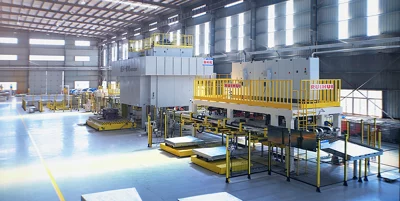
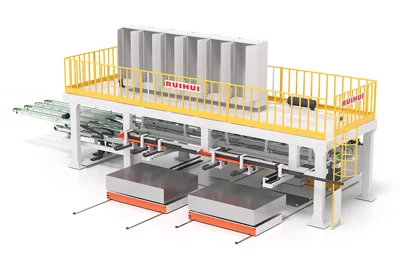
Guangdong RuiHui Intelligent Technology Co., Ltd. has been deeply engaged in the field of stamping automation for over twenty years. It is a national "Specialized and Sophisticated" "Little Giant" enterprise, headquartered in Dongguan, with more than 400 employees and over 80 R&D personnel. RuiHui's three-in-one feeders have mature applications in automotive parts, home appliance sheet metal, 3C hardware, new energy, and other industries. Material width and thickness, feeding accuracy, and feeding speed can all be customized according to customer requirements. They are equipped with automatic loading trolleys and recipe memory functions, with full service from selection evaluation, installation, and commissioning to after-sales support. RuiHui has nearly 5,000 sets of equipment operating at customer sites both domestically and internationally, serving well-known OEMs and first-tier suppliers such as BYD, Geely, Volkswagen, Tesla, BMW, Mercedes-Benz, Honda, and Land Rover Jaguar, with rich experience in feeding equipment.
With years of hands-on experience, I have honed my skills in navigating the complexities of global commerce, offering invaluable insights and solutions to address customer needs. My commitment to excellence and dedication to customer satisfaction ensure that I deliver exceptional service, guiding clients through every step of the trading process with confidence and proficiency.
You may also like
Related News
Latest Update