

Key Considerations for Selecting an Integrated Uncoiling Leveling and Feeding System
Share to : 


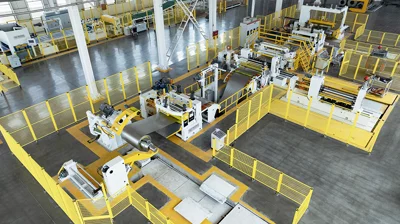
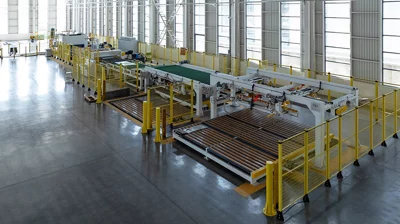
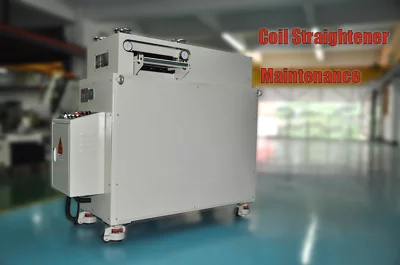
In traditional stamping workshops, the uncoiler, leveler, and feeder were often placed separately—occupying large floor space and requiring time‑consuming setup and adjustments. Today’s 3‑in‑1 feeder integrates all three functions into one compact unit, which greatly simplifies operations. However, if you overlook certain details during selection, the equipment may not perform as smoothly as expected in your daily production.
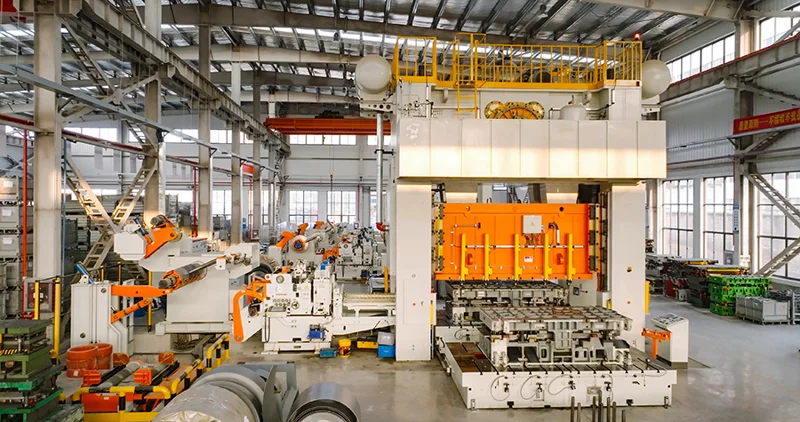
1. Material thickness and width ranges
These are the most fundamental parameters. Each 3‑in‑1 feeder has a specific applicable thickness range—for example, 0.5 mm to 3.2 mm is a common specification. Width capacities also vary, from a few dozen millimeters to several hundred millimeters. Choose a model that matches the sheet specifications you use most frequently. Additionally, if your line frequently switches between different material thicknesses, pay attention to how easy it is to adjust the machine and whether it offers recipe memory to store process settings for different products. Some units require manual adjustment of the leveling roller gaps when changing specifications, which takes time and is not ideal for high‑mix, frequent‑changeover scenarios.
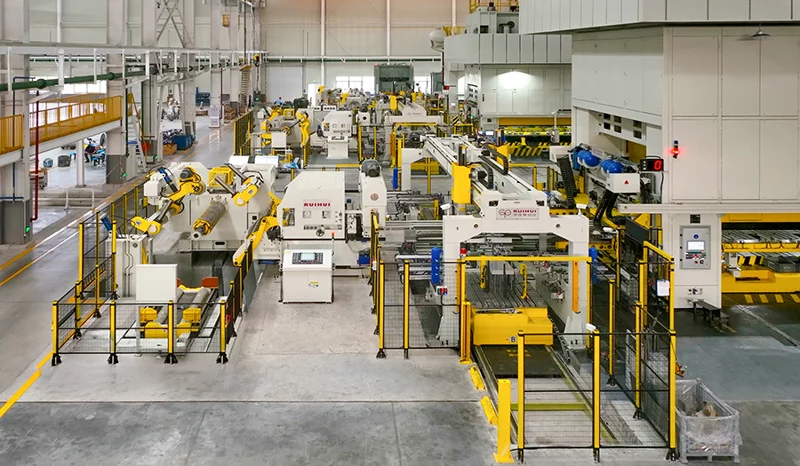
2. Leveling capability
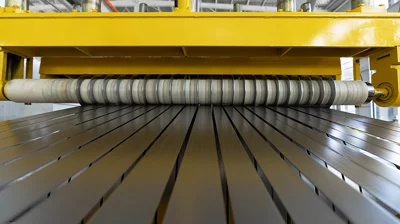
One of the core values of a 3‑in‑1 feeder is its leveling function. Coiled material often develops internal stress during storage, causing surface flatness issues that can affect part quality if fed directly into the press. A high‑quality leveling head uses rollers that have undergone special heat treatment for high hardness and wear resistance, and it should be equipped with upper and lower back‑pressure rollers to eliminate internal stress. Some models feature a tilt‑up head design, which makes it convenient to clean internal scrap and debris—a very practical detail. If you process stainless steel or high‑strength steel, leveling becomes more challenging, so confirm with the supplier that the roller material and hardness grade are suitable for your application. The number of leveling rollers is also a reference indicator: more rollers generally provide better flatness, but they also increase the equipment cost.
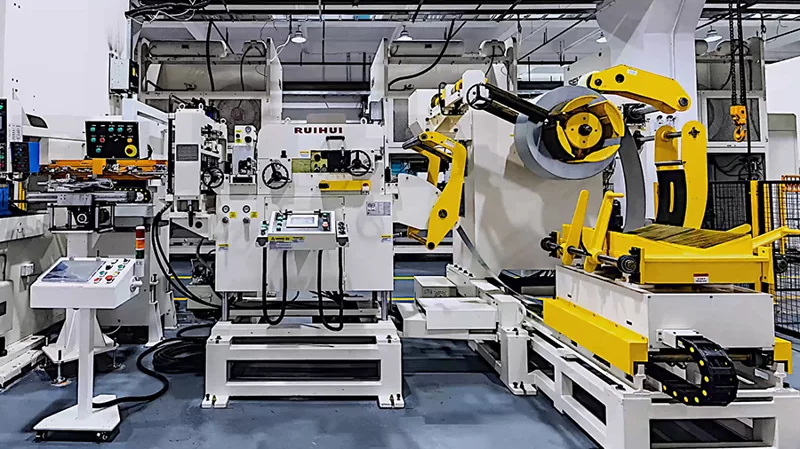
3. Feeding drive and control system
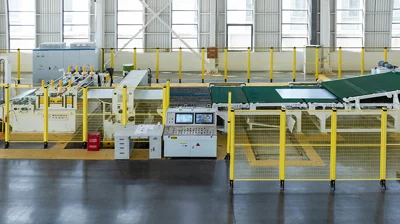
Most mainstream 3‑in‑1 feeders now use imported servo systems, offering fast response and high precision. For the control interface, large touchscreens have become standard, providing intuitive operation and the ability to store numerous product recipes—allowing one‑touch recall during changeovers, eliminating the need to reset parameters repeatedly. The oiling device is also worth attention—uniform lubrication helps protect the die and extend its service life. Moreover, check whether the control system includes communication ports and can interface with your factory’s MES system, which is important for future digital management.
Guangdong RuiHui Intelligent Technology Co., Ltd., headquartered in Dongguan, employs over 400 staff and specializes in the R&D and manufacturing of complete metal forming automation equipment. Its 3‑in‑1 feeders have been successfully applied in automotive parts, home appliance sheet metal, 3C hardware, new energy, and other industries. RuiHui has provided stamping automation equipment and full‑line solutions to thousands of well‑known companies both domestically and internationally.
With years of hands-on experience, I have honed my skills in navigating the complexities of global commerce, offering invaluable insights and solutions to address customer needs. My commitment to excellence and dedication to customer satisfaction ensure that I deliver exceptional service, guiding clients through every step of the trading process with confidence and proficiency.
You may also like
Related News

Latest Update