

Palletizer Automated Palletizing and Stacking Solution for Finished Stamped Sheet Metal Workpieces
Share to : 


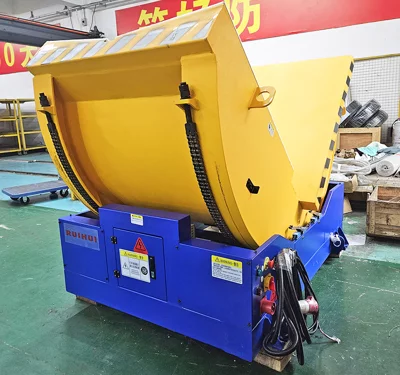
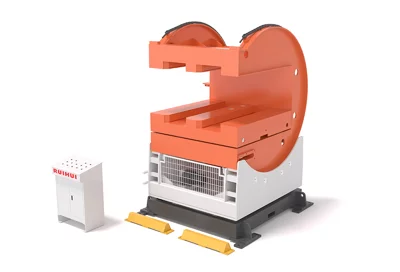
Sheets cut from blanking lines need to be neatly stacked before moving to the next process or being stored in inventory. In the past, this was done manually—sheets came off the conveyor, and workers caught them one by one, stacked them, and aligned them. It was tedious and physically demanding, and large sheets were especially difficult even for two people to handle. The palletizer is designed specifically for this task.
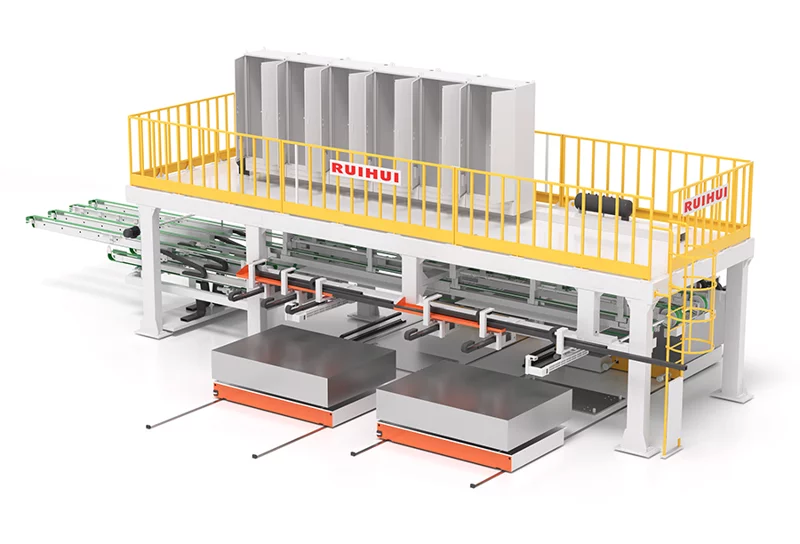
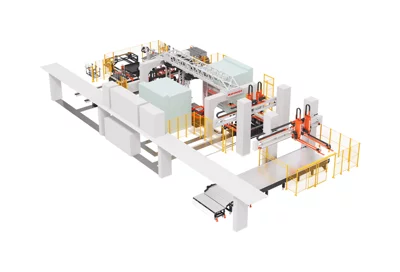
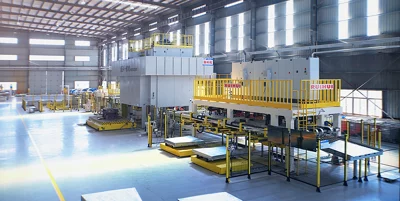
The palletizer at the back end of a blanking line is different from the collection equipment at the end of a stamping line. The blanking line processes coil stock that has been uncoiled and sheared, and the palletizer is responsible for neatly stacking these cut sheets. After the sheets exit the shear, they travel along a conveyor to the stacking area, where the palletizer automatically stacks them one by one onto a receiving table or pallet. Once the stack reaches the preset height, the machine automatically changes to a new pallet. The entire process requires no manual intervention; operators only need to remove the full stack and place an empty pallet during changeovers.
Palletizers come in two main types: gravity palletizers and magnetic palletizers. The choice depends on the material properties and product requirements.
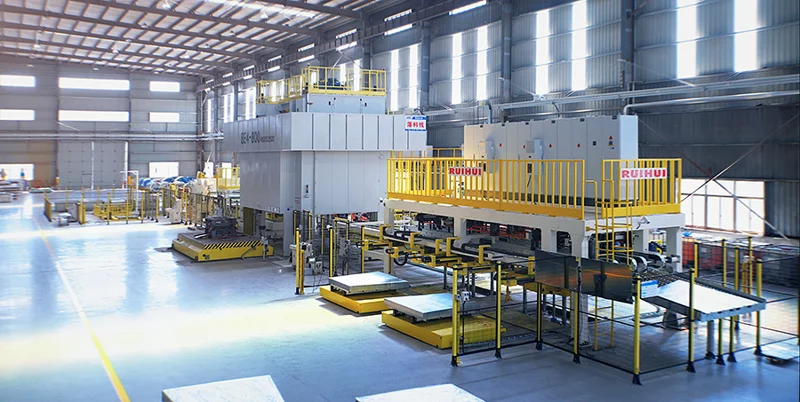
Gravity palletizers work with standard conveyors. Sheets exit from the end of the conveyor and fall by gravity onto a receiving trolley, stacking layer by layer. This method has a simple structure and high speed, making it suitable for regularly shaped sheets and high‑volume production lines. Alignment guides and positioning stops ensure the sheets are properly aligned as they drop, resulting in neat stacks. The key to gravity palletizing is the positioning accuracy at the drop point and the alignment effect of the stops—accurate positioning leads to tidy stacks.
Magnetic palletizers work with magnetic conveyors. Sheets are held by magnetic force as they are conveyed to the receiving table, preventing relative sliding during transport and providing better surface protection. The principle of the magnetic conveyor is to install permanent magnets or electromagnets inside the belt; the sheet is held by magnetic attraction as it rides on the belt, eliminating slippage. This method is particularly suitable for galvanized sheets and pre‑painted sheets that require high surface quality, and it can handle a variety of sheet shapes. However, it requires the material to be magnetic—carbon steel works well, but aluminum and stainless steel are not suitable for magnetic palletizing.
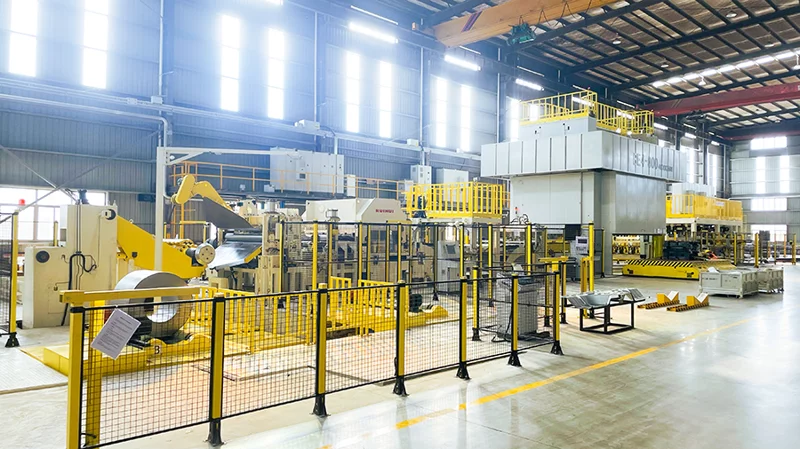
When a palletizer is integrated with AGVs (Automated Guided Vehicles), the back‑end process can be made completely unmanned. Once a pallet is fully stacked, an AGV automatically removes the full stack and delivers an empty material frame. Operators only need to replenish material frames during shift changes; no one needs to be stationed at the intermediate process.
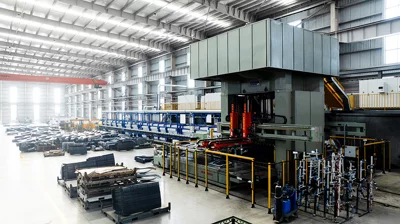
In Guangdong RuiHui Intelligent Technology Co., Ltd.'s complete stamping automation line solutions, the palletizer is a standard component. RuiHui recommends either gravity or magnetic palletizing based on the customer's material type—whether it's carbon steel or galvanized steel, and whether the parts are regular shapes or irregular profiles. The front‑end decoiling, leveling, and feeding of the blanking line, together with the back‑end palletizing, form a complete closed loop, ensuring smooth operation of the entire line. RuiHui has extensive practical experience with palletizers, with mature process expertise for palletizing different types of sheets.
With years of hands-on experience, I have honed my skills in navigating the complexities of global commerce, offering invaluable insights and solutions to address customer needs. My commitment to excellence and dedication to customer satisfaction ensure that I deliver exceptional service, guiding clients through every step of the trading process with confidence and proficiency.
You may also like
Related News

Latest Update