

What Configurations to Consider When Selecting a Slitting Line
Share to : 


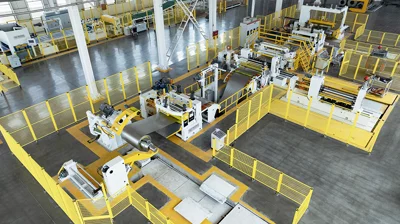
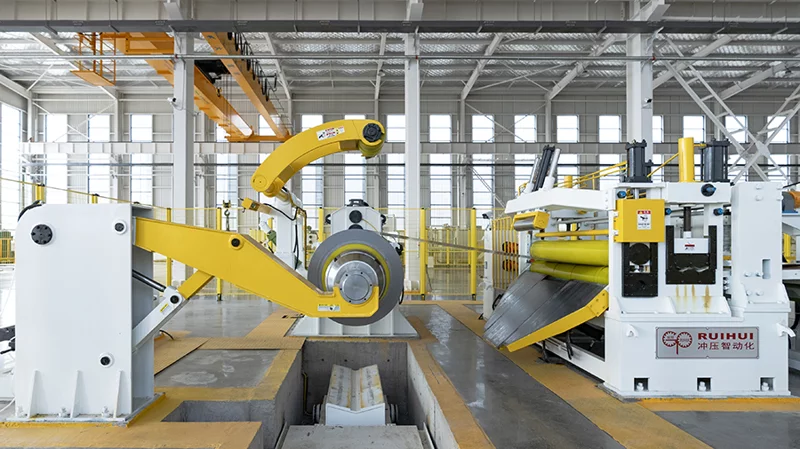
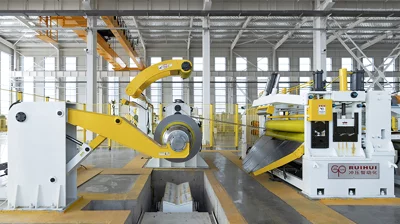
The job of a slitting line is to slit wide coils into narrow strips. This equipment may look conventional, but it involves quite a few configurations. If you only look at the big picture when selecting, problems are likely to arise later in operation. The key to choosing a slitting line lies in several core configurations.
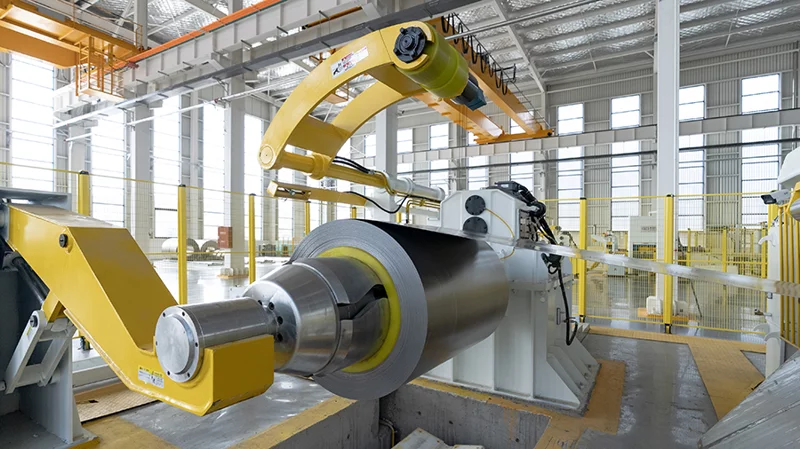
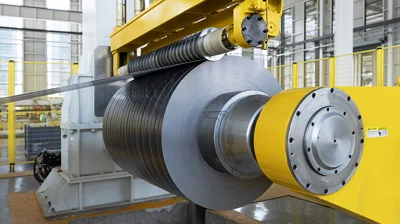
First, look at the decoiler. Coils are heavy items weighing several tons or more from the start, so the decoiler's load capacity must match the coil weight. If the capacity is insufficient, the coil will wobble once loaded, and everything downstream will be disrupted. The expansion and contraction structure of the decoiler is also critical—the coil must be expanded and secured. If too loose, the strip will feed unstably; if too tight, it may damage the inner layers of the coil. There is also the decoiler centering function: whether the coil can automatically center itself directly affects the probability of strip deviation.
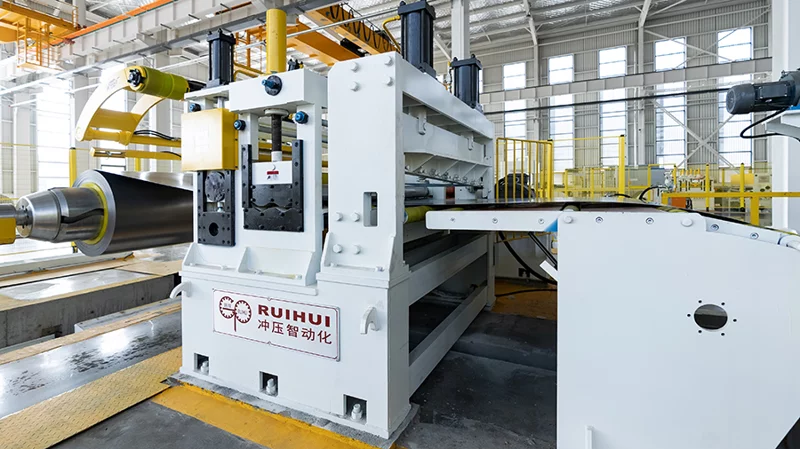
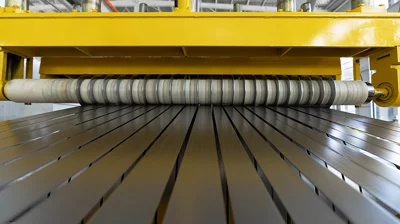
Second, look at the shearing system—this is the core of the slitting line. Slitting relies on circular slitter blades. The blade material directly determines slitting quality and service life. Good blades are made from high-speed steel or alloy tool steel, precision-ground and heat-treated for sharpness and wear resistance. The blade clearance adjustment method is also important. Manual clearance adjustment relies on experience; if inaccurate, burrs will be large. Automatic clearance adjustment lets you input material thickness and type, and the system automatically calculates the appropriate clearance—fast and accurate. Also important is the precision of the arbor and blade holders. If the blade holders are unstable, the blades will run out, and the slit width will fluctuate.
Third, look at tension control. After slitting, multiple narrow strips must be rewound. If tension is inconsistent—some tight, some loose—the rewound coils will vary in tightness and have uneven end faces. Tension control is the key to rewind quality on a slitting line. Many modern slitting lines use servo-controlled rewinding mechanisms, where each narrow strip's tension can be individually set and adjusted in real time, resulting in consistent tightness, neat end faces, and noticeably better coil quality. When selecting, ask clearly about the tension control method—mechanical friction type and servo type differ greatly.
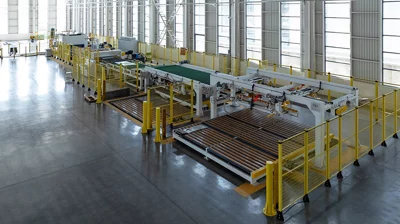
Fourth, look at automation support. The efficiency of a slitting line depends largely on its degree of automation. Automatic loading trolleys: the coil is hoisted on and automatically centered and fed onto the mandrel, eliminating manual alignment. Automatic threading mechanisms: workers no longer need to pull the strip head through the machine with pliers. Scrap edge winders: automatically wind the waste edges on both sides into small coils for collection, eliminating manual cleanup. When these supporting features are in place, the entire line can run continuously, with workers only monitoring and changing coils—efficiency is completely different.
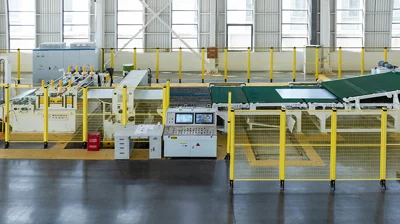
Fifth, look at the control system. Slitting lines handle many specifications—different coils are slit into different numbers of strips and different widths. A control system with recipe management can store slitting parameters for different specifications as recipes, recalled directly when changing specifications, without resetting each item one by one. A large touchscreen provides intuitive operation, helping workers get up to speed quickly and reducing operational errors.
Finally, the selection approach. Selecting a slitting line cannot be based solely on price and specification sheets—you must configure it according to your actual situation: coil material (carbon steel, stainless steel, aluminum, copper, silicon steel), width and thickness range, number of strips required, strip width requirements, and rewinding requirements. All of these must be thought through in advance, and then the manufacturer can configure accordingly. For the same slitting requirements, different configurations produce very different results. Only by clearly communicating your needs can you get a slitting line that truly works well for you.
Guangdong RuiHui Intelligent Technology Co., Ltd. has been deeply engaged in the field of stamping automation for over twenty years. It is a national "Specialized and Sophisticated" "Little Giant" enterprise, headquartered in Dongguan, with more than 400 employees and over 80 R&D personnel. RuiHui's slitting lines cover the complete process of decoiling, strip guiding and leveling, slitting, tension control, rewinding, and unloading. They offer different configuration solutions for various materials and thickness ranges, including carbon steel, stainless steel, aluminum, and silicon steel. Configurations such as automatic blade clearance adjustment, servo tension control, and automatic loading trolleys are available. They are used in the automotive, home appliance, hardware, building materials, and welded pipe industries. RuiHui has nearly 5,000 sets of equipment operating at customer sites both domestically and internationally, serving well-known OEMs and first-tier suppliers such as BYD, Geely, Volkswagen, Tesla, BMW, Mercedes-Benz, Honda, and Land Rover Jaguar, with rich experience in slitting equipment.
With years of hands-on experience, I have honed my skills in navigating the complexities of global commerce, offering invaluable insights and solutions to address customer needs. My commitment to excellence and dedication to customer satisfaction ensure that I deliver exceptional service, guiding clients through every step of the trading process with confidence and proficiency.
You may also like
Related News
Latest Update