

New Energy Battery Sheet Processing Functional Advantages of Servo Slitting Lines
Share to : 


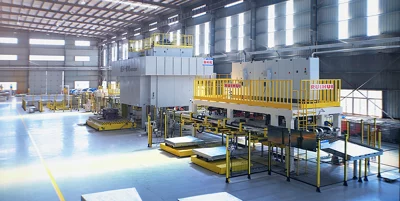
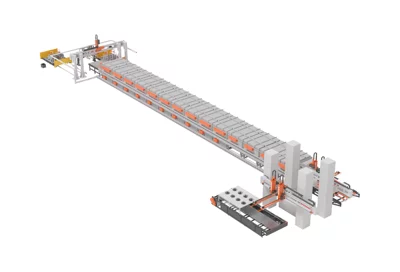
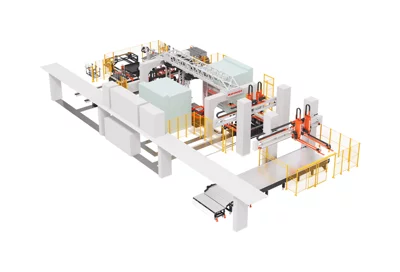
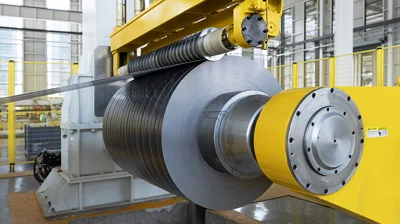
New energy battery casings, battery connector strips, pole pieces—these products are made from either aluminum or specially coated steels, all of which demand stringent surface quality and dimensional accuracy. Before stamping, these materials typically go through slitting first—slitting wide coils down to the appropriate narrow widths. The servo slitting lines used for battery sheet materials have several distinct requirements compared to ordinary slitting lines.
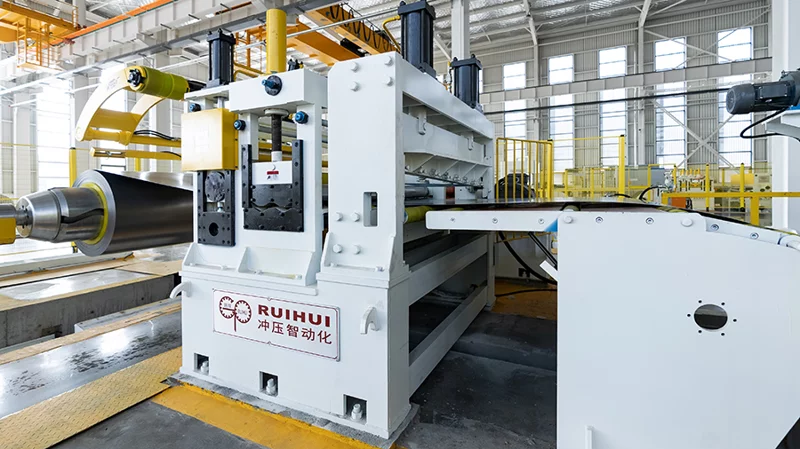
The first requirement is precision. If battery casing dimensions are off, subsequent welding won't align properly, and in severe cases, battery sealing and safety may be compromised. Therefore, the slitting accuracy required for battery sheet slitting lines is far higher than for ordinary products—many applications demand control within ±0.03mm. What ensures this accuracy? High-rigidity blade shaft structures, precision bearing supports, and closed-loop tension control systems. If the blade shaft lacks sufficient rigidity, it will deform under cutting forces, making precision unachievable.
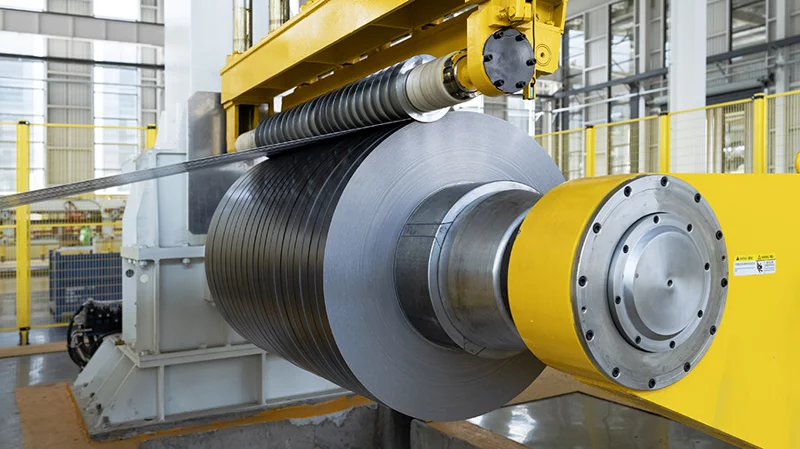
The second requirement is surface protection. Aluminum is soft—the slightest friction leaves a scratch. If a battery casing has scratches on its surface, it not only looks bad but can also compromise corrosion resistance. Therefore, every roller that comes into contact with the material on the slitting line must be specially treated—either rubber-coated, polished, or made of a special non-marring material. Tension must be carefully controlled during rewinding as well: too tight and the material may deform or even break; too loose and the coil will be uneven, and interlayer friction may scratch the surface. Some materials even require automatic interleaving paper during rewinding for additional surface protection.
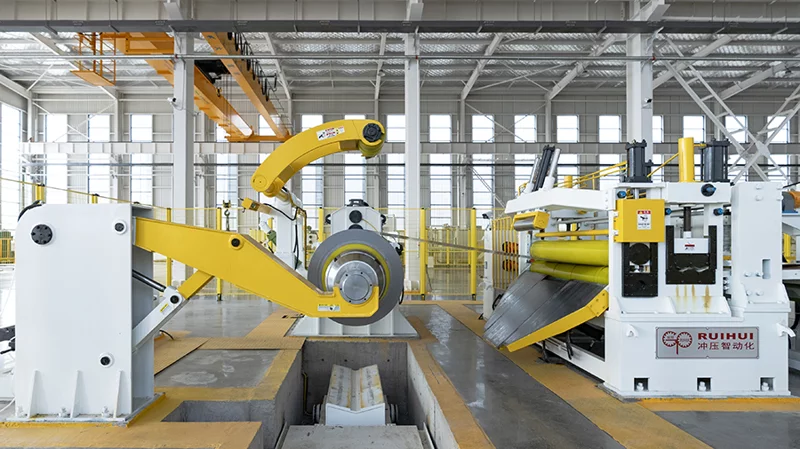
The third requirement is cleanliness. Battery materials are extremely sensitive to metal dust. Even trace amounts of dust generated during slitting, if they fall onto the material surface, can be pressed into the workpiece during subsequent stamping, causing defects. Therefore, some high-spec battery material slitting lines are equipped with dust removal systems to promptly extract dust generated in the shearing zone.
In addition, the new energy industry is experiencing rapid capacity expansion, with production lines often running two or three shifts. The automation level of the slitting line becomes critical—automatic threading, automatic tool positioning, automatic coil changeover, automatic packaging—the more comprehensive these features, the less reliance on manual labor, and the more reliable night-shift production becomes.
Guangdong RuiHui Intelligent Technology Co., Ltd. has been deeply involved in stamping automation for the new energy sector for many years. In response to the specific requirements of battery sheet processing, they have developed adapted servo slitting line solutions. RuiHui's equipment operates stably in numerous factories across the new energy industry supply chain, helping customers overcome past issues of poor slitting accuracy and susceptibility to scratching. The sheet quality produced fully meets the high standards required for battery production.
For companies engaged in new energy battery sheet processing, a servo slitting line is not just about completing the slitting step—it lays a solid foundation for the high-quality output of the entire subsequent battery production process, adapting to the industry's special processing needs and making the entire production flow smoother and more stable.
With years of hands-on experience, I have honed my skills in navigating the complexities of global commerce, offering invaluable insights and solutions to address customer needs. My commitment to excellence and dedication to customer satisfaction ensure that I deliver exceptional service, guiding clients through every step of the trading process with confidence and proficiency.
You may also like
Related News
Latest Update