

Effect of Slitting Lines on Reducing Edge‑Trim Waste
Share to : 


Edge‑trim waste represents a long‑standing problem in sheet‑metal processing. When wide coils are slit to target widths, unused edge strips generate material loss. Knife layout and slitting modes of slitting lines exert direct influence on waste reduction performance.
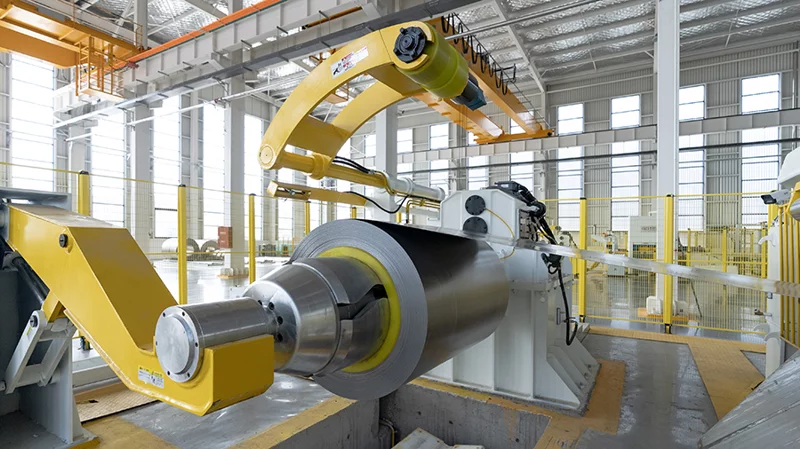
Edge‑trim waste originates from slitting wide coils into multiple narrow strips. The leftover width after arranging required strip dimensions becomes scrap edge trim. Waste volume depends on the matching degree between knife‑layout schemes and original coil width. Well‑matched layouts produce minimal scrap.
Four key measures cut down material waste. First, precise knife layout. Blades are positioned according to combinations of required narrow‑strip widths. Optimized layouts fit more strips within the original coil width. Multiple sizes can be produced in one pass to maximize coil‑width utilization and lower edge‑trim generation.
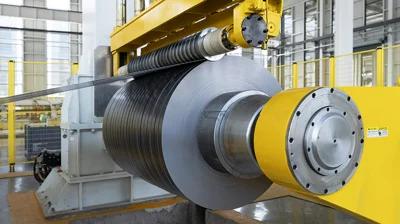
Second, edge‑trim recovery. Edge strips are inevitable during slitting. Equipped with a scrap‑edge winder, the slitting line automatically coils edge trims for remelting or resale, turning scrap into reusable resources without manual cleanup.
Third, minimizing head‑and‑tail scrap. The leading and trailing sections of each coil are normally unusable. Automatic threading and rewinding mechanisms reduce material damage caused by manual handling and shorten waste length at coil start and end.
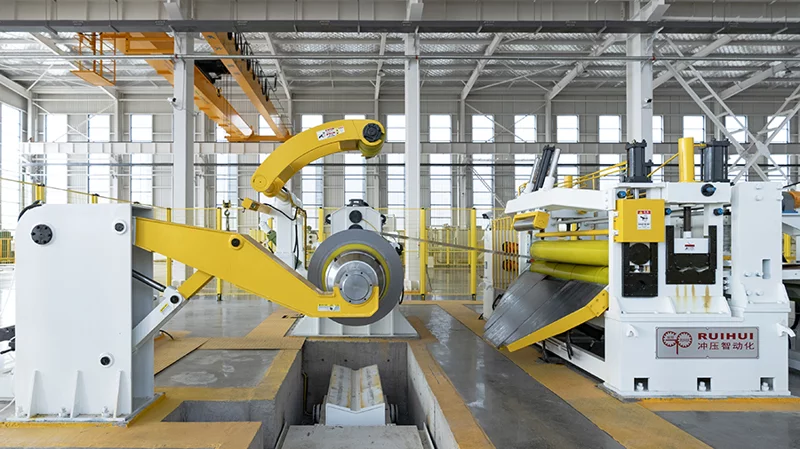
Fourth, superior overall‑line control accuracy. High slitting precision guarantees consistent strip width to avoid reject strips caused by dimensional deviation. Reliable tension control ensures neat rewinding and prevents scrap from disorderly coiling.
Slitting lines inherently deliver higher material‑utilization rates compared with single‑sheet cutting by producing multiple strips in one material pass. Combined with optimized knife arrangement, edge‑trim collection and controlled coil ends, total waste can be significantly reduced. Actual saving rates vary with coil width, knife layout and product specifications. Furthermore, slit narrow strips remain in coil form, bringing lower loss during storage, transportation and feeding versus cut‑to‑length sheets. From the full‑supply‑chain perspective, slitting lines reduce not only edge scrap but also intermediate handling loss.
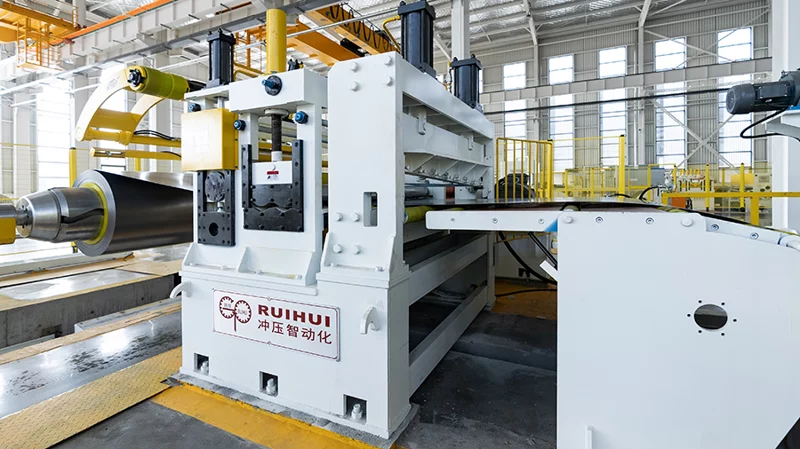
In summary, material savings are achieved through integrated solutions: precise knife layout, edge‑trim recovery, head‑tail waste control and high‑accuracy slitting. Cumulative savings are considerable for plants with large sheet‑metal consumption.
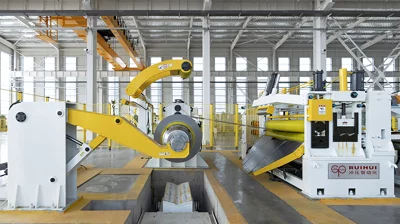
Guangdong Ruihui Intelligent Technology Co., Ltd. has over 20‑year experience in stamping automation and is a national Specialized, Refined, Differential and Innovative “Little Giant” enterprise. Headquartered in Dongguan, it has more than 400 employees including more than 80 R&D engineers. Ruihui slitting lines adopt optimized knife‑layout schemes tailored to customers’ regular strip‑width combinations for higher coil utilization. Scrap‑edge winders realize automatic edge‑strip recovery. Automatic threading and rewinding reduce head‑and‑tail waste. High‑precision slitting and tension control improve strip quality and cut rejects. Nearly 5,000 sets of Ruihui‑manufactured equipment operate at domestic and overseas customer sites, serving well‑known OEMs and Tier‑one suppliers such as BYD, Geely, Volkswagen, Tesla, BMW, Mercedes‑Benz, Honda and Jaguar Land Rover, with rich experience in material‑saving solutions.
With years of hands-on experience, I have honed my skills in navigating the complexities of global commerce, offering invaluable insights and solutions to address customer needs. My commitment to excellence and dedication to customer satisfaction ensure that I deliver exceptional service, guiding clients through every step of the trading process with confidence and proficiency.
You may also like
Related News
Latest Update