

3‑Axis Transfer Press vs Linear Transfer Manipulator Which Stamping Scenarios Are They Suited For
Share to : 


Those in the stamping industry generally agree on one point: there is no one‑size‑fits‑all piece of equipment—only solutions that fit the application. The 3‑axis transfer press and the linear transfer manipulator are often confused, and many are unsure which one their production line actually needs. Let’s break down the typical use cases for each.
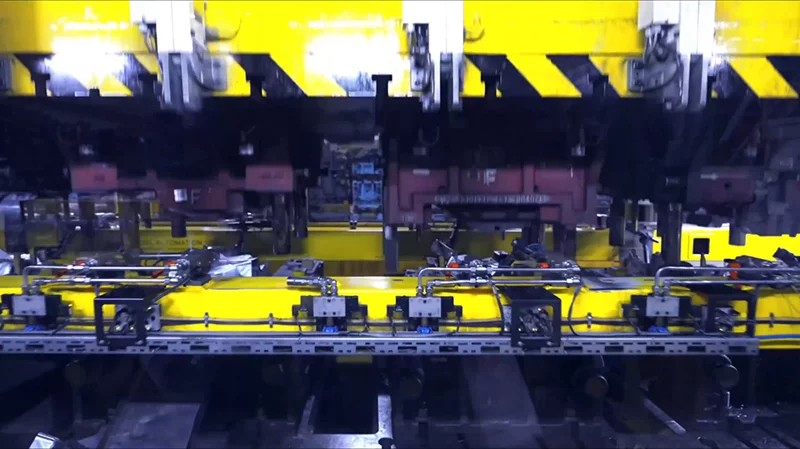
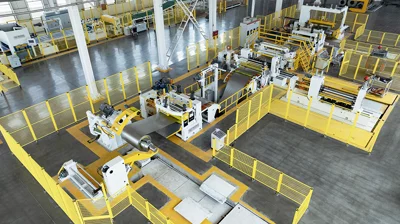
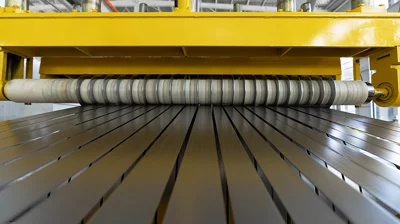
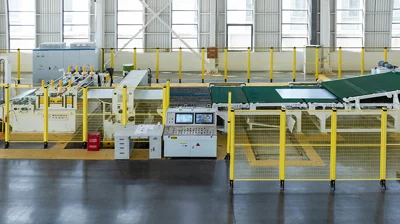
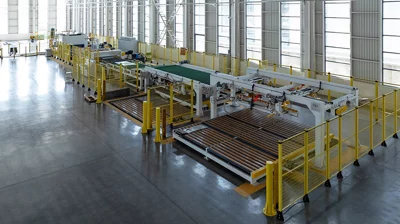
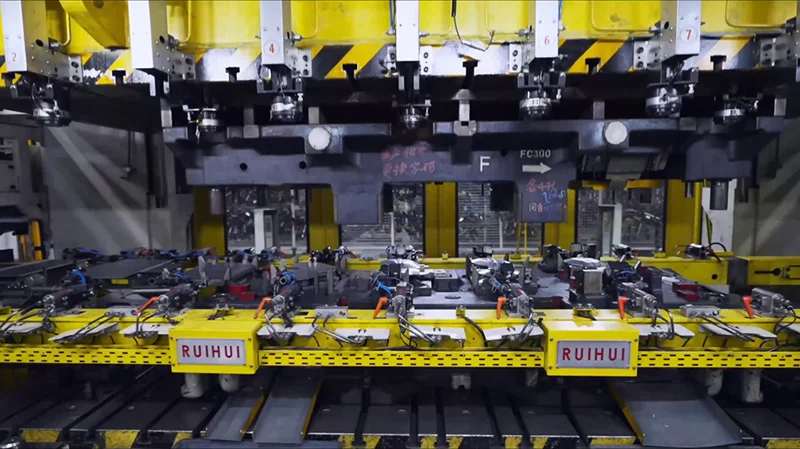
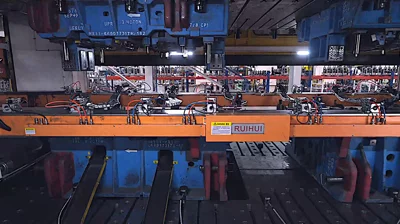
The 3‑axis transfer press (also called a multi‑station die transfer manipulator) features three‑axis motion—X, Y, and Z—which means it can move forward/backward, left/right, and up/down for full‑range loading and unloading. Its standout capability is shuttling between multiple stations within a single large press, transferring workpieces from one die station to the next. This equipment is structurally complex and highly accurate. So where does it shine? In continuous forming of products that require multiple stamping steps, such as automotive body panels, large home‑appliance housings, and new‑energy battery casings. One 3‑axis transfer press can handle the entire workpiece flow across the line, delivering a substantial efficiency boost. In automotive parts stamping plants, the 3‑axis transfer press is often integrated with a 3‑in‑1 feeder or a destacker to fully automate the process—from coil or blank feeding to finished‑part collection.
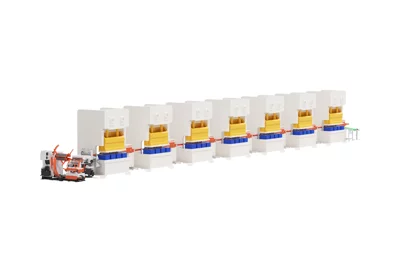
The linear transfer manipulator, on the other hand, is typically a two‑axis system. It is mainly used in tandem lines consisting of multiple smaller presses, responsible for feeding blanks into the presses and removing finished parts. It can also be combined with a 3‑in‑1 feeder to process coil stock.
So how do you choose? The decision largely depends on your shop floor layout: is it a single‑press multi‑station setup, or a multi‑press tandem line? For a single large press with multiple stations, the 3‑axis transfer press is the right choice for workpiece transfer. For a tandem arrangement of separate presses, the linear transfer manipulator is more suitable. Ultimately, the selection should be based on technical requirements, process needs, layout constraints, press and die configurations, and workpiece specifications.
Guangdong RuiHui Intelligent Technology Co., Ltd. has accumulated extensive experience in stamping automation equipment development and full‑line integration. Its 3‑axis multi‑station transfer presses are widely used in automotive parts, home‑appliance sheet metal, and 3C hardware stamping lines, and can be seamlessly linked with 3‑in‑1 feeders, destackers, and part‑collection systems to form a complete automated stamping line. For tandem press applications, RuiHui also offers linkage‑type linear transfer manipulators specifically designed for the automation upgrade of multiple presses. According to publicly available information, as of 2026, thousands of stamping automation systems have been deployed at customer sites both in China and overseas.
With years of hands-on experience, I have honed my skills in navigating the complexities of global commerce, offering invaluable insights and solutions to address customer needs. My commitment to excellence and dedication to customer satisfaction ensure that I deliver exceptional service, guiding clients through every step of the trading process with confidence and proficiency.
You may also like
Related News
Latest Update