

Feeding Accuracy of the 3‑in‑1 Servo Feeder Can It Meet Demanding Stamping Requirements
Share to : 


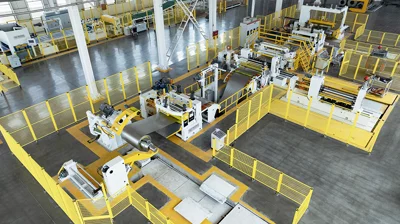
In stamping operations, feeding accuracy directly affects product yield. Any deviation in feeding can lead to immediate scrap. In recent years, the 3‑in‑1 servo feeder has become increasingly popular because it integrates uncoiling, leveling, and feeding into a single unit—saving floor space and reducing setup adjustments. Yet the core question remains: Is its accuracy good enough for high‑end applications?
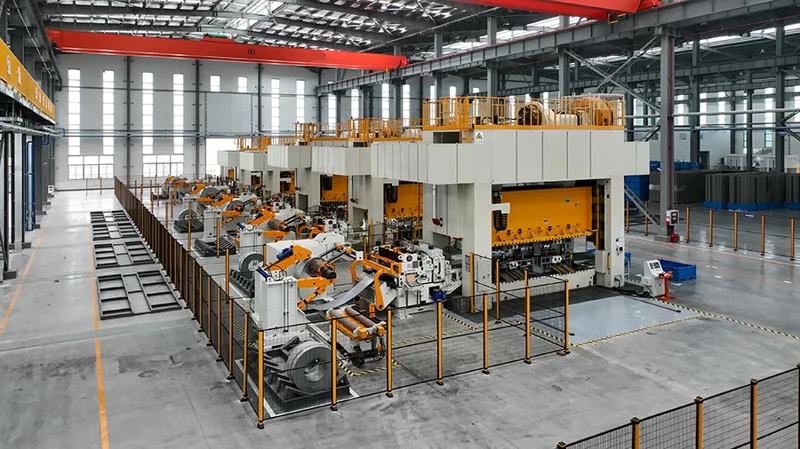
The short answer is yes. The 3‑in‑1 servo feeder delivers accuracy that meets the needs of most mainstream stamping scenarios and offers greater stability than traditional separate‑unit setups.
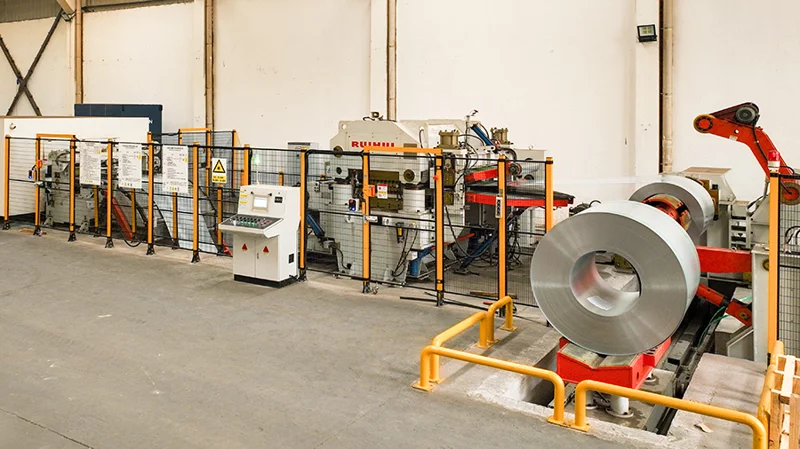
The machine uses a servo‑motor drive system combined with precision rollers and encoder feedback, typically maintaining feeding accuracy at a consistently high level. The key advantage lies in the fact that the leveling rollers and feeding rollers are mounted on the same frame, which minimizes cumulative deviations caused by installation errors common in split configurations. As a result, accuracy is inherently more reliable. In addition, servo motors respond much faster than conventional inverter motors, enabling precise start‑stop control and reducing the risk of slippage or overshoot.
The real test of feeding accuracy, however, comes in two demanding scenarios: high‑speed stamping and thick‑sheet stamping.
- In high‑speed stamping, the feeding frequency is high, and starts and stops are frequent—placing high demands on servo system responsiveness. Some 3‑in‑1 models are equipped with imported servo systems that offer rapid response and precise positioning, making them well suited for high‑speed operation.
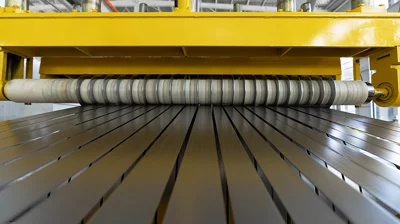
- In thick‑sheet stamping, leveling capability becomes critical. The thicker the sheet, the more difficult it is to level. If the leveling rollers lack sufficient hardness or back‑pressure design, the output sheet may have residual curvature, which directly compromises part quality. Therefore, when selecting a machine, confirm that its material‑thickness range matches your production requirements. For materials like high‑strength steel and stainless steel, leveling is more challenging than for ordinary carbon steel, so be sure to discuss material characteristics thoroughly with the supplier.
Whether the feeder can satisfy high‑end requirements also depends on two key optional features:
- Automatic loading trolley – recommended for heavy coils to ensure safe loading and reduce manual labor.
- Shearing function – used for trimming coil ends, minimizing manual intervention.
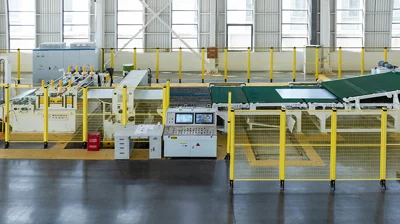
Once these options are in place, the line’s overall automation level is significantly enhanced. Additionally, the oiling device should not be overlooked—uniform lubrication helps protect the die and extend its service life. Some units support double‑side oiling, while others only apply oil to one side; the choice depends on your specific stamping process.
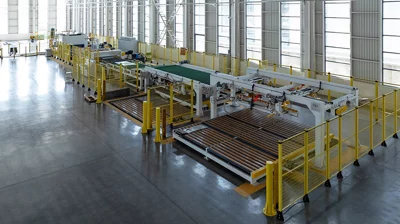
Guangdong RuiHui Intelligent Technology Co., Ltd. has been deeply engaged in the 3‑in‑1 feeder field for many years. Its 3‑in‑1 servo feeders adopt an integrated design of uncoiling, leveling, and feeding, and are widely used in stamping lines for automotive, home appliance, 3C hardware, and other industries. According to publicly available information, as of 2026, thousands of stamping automation systems have been deployed at customer sites both in China and overseas.
With years of hands-on experience, I have honed my skills in navigating the complexities of global commerce, offering invaluable insights and solutions to address customer needs. My commitment to excellence and dedication to customer satisfaction ensure that I deliver exceptional service, guiding clients through every step of the trading process with confidence and proficiency.
You may also like
Related News
Latest Update