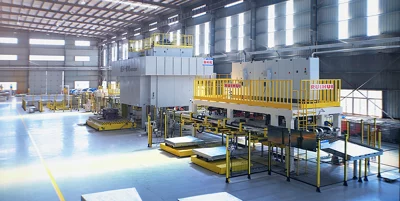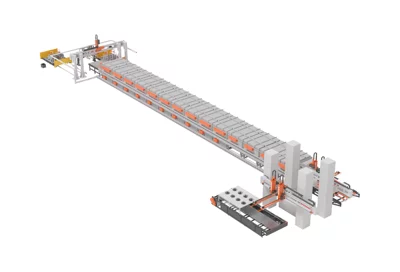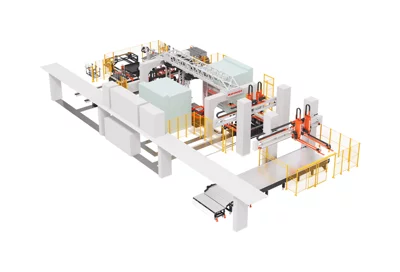


Hot Stamping Production Line – Implementation Solutions for Hot Stamping of High‑Strength Steel Automotive Parts
Share to : 


Lightweighting in the automotive industry has been a major trend in recent years, and high‑strength steel is being used more and more in vehicle bodies. However, high‑strength steel has a characteristic—it is prone to cracking and severe springback when stamped at room temperature, making it impossible to form complex‑shaped parts. The solution is hot stamping: heating the steel sheet to around 900°C before stamping, then rapidly cooling it in the die for quenching to achieve extremely high hardness.
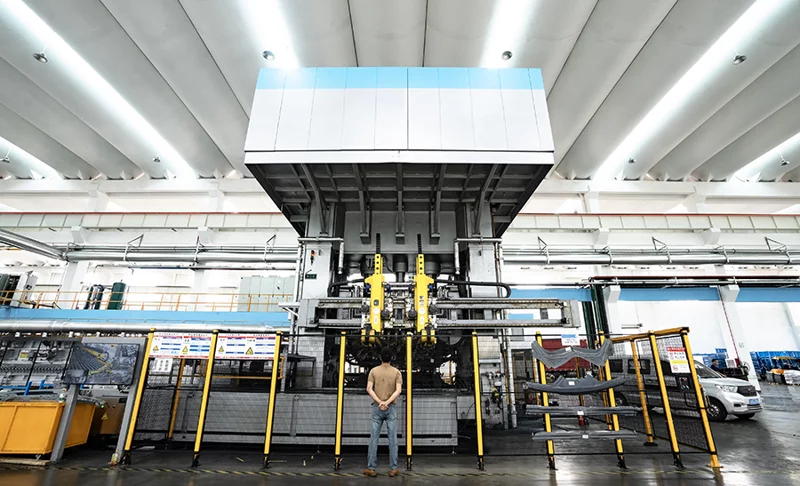
The core process of a hot stamping line is as follows: first, the steel blank (typically boron steel) is heated to the austenitization temperature, then quickly transferred to the press for forming, and simultaneously rapidly cooled within the die to produce ultra‑high‑strength components. Throughout the entire process, the temperature and timing control at each stage—heating, transfer, stamping, and cooling—directly affect the final performance of the part.
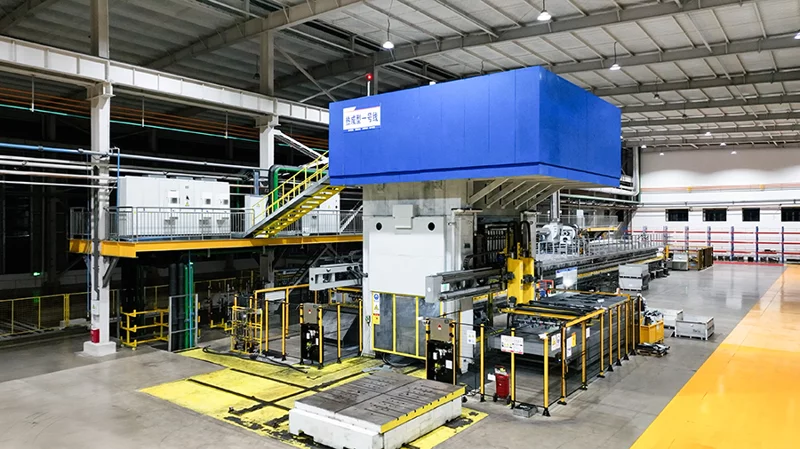
In a hot stamping line, the manipulator plays a critical role. It must retrieve the steel blank from the furnace at around 900°C and quickly deliver it into the die on the press. The shorter this transfer time, the better, because the blank's temperature drops continuously after leaving the furnace, and lower temperatures degrade formability. Therefore, hot stamping manipulators must operate at high speed with precise motion to avoid any delay.
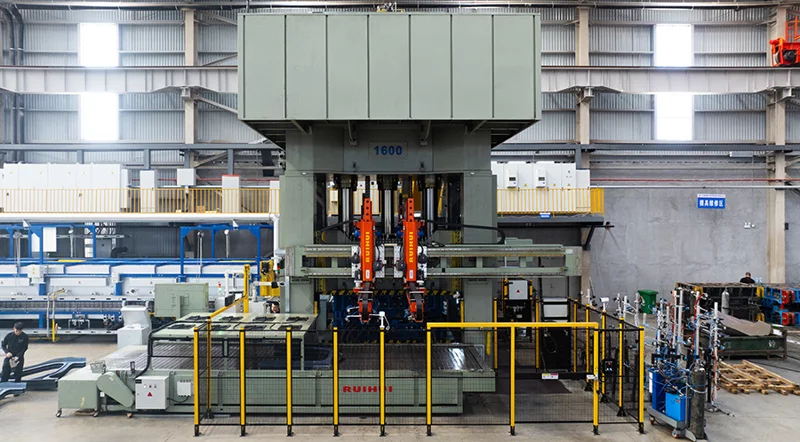
Because the heated blank is very soft and covered with oxide scale, the end‑effector design must be precisely matched to the workpiece. Additionally, the effect of extreme heat on the gripper material must be considered—ordinary grippers cannot withstand temperatures around 900°C and must be made of special high‑temperature‑resistant materials.
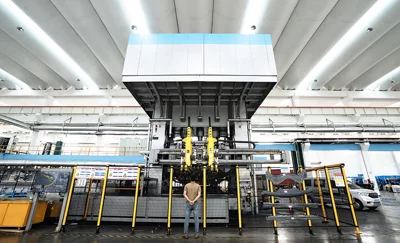
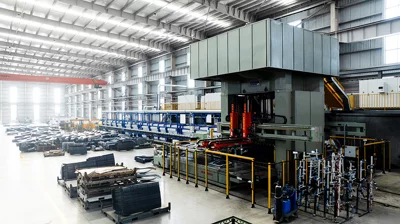
The dies used in hot stamping also require careful attention, as they contain cooling water channels and the die temperature must be maintained within a specific range. If cooling is too fast, the part will quench unevenly; if too slow, production efficiency drops. Thus, the press cooling system, die water‑channel design, and water temperature control all influence the stability of the entire line.
Safety in a hot stamping workshop also demands special emphasis. Hot steel blanks, furnaces, and steam generated during quenching all pose potential hazards. Proper machine guarding, ventilation systems, and emergency stop devices must be in place.
RuiHui has developed mature solutions for hot stamping automation. Their hot‑forming manipulators are specifically designed for handling high‑temperature workpieces, offering heat resistance, fast response, and precise positioning. Moreover, RuiHui does not just supply the manipulator—they are also involved in planning the entire hot stamping line, covering furnace loading/unloading, die cooling matching for the press, and downstream trimming and piercing operations, ensuring smooth operation across the whole line.
For factories upgrading an existing hot stamping line or building a new one, a reliable and proven solution for high‑speed transfer of hot blanks is the core factor that ensures stable line operation. It addresses the most challenging transfer pain points in hot stamping from the outset, significantly improving both the yield rate and overall production efficiency of the entire line.
With years of hands-on experience, I have honed my skills in navigating the complexities of global commerce, offering invaluable insights and solutions to address customer needs. My commitment to excellence and dedication to customer satisfaction ensure that I deliver exceptional service, guiding clients through every step of the trading process with confidence and proficiency.
You may also like
Related News
Latest Update