

How to Configure a Slitting Line for Automotive Sheet Metal Slitting
Share to : 


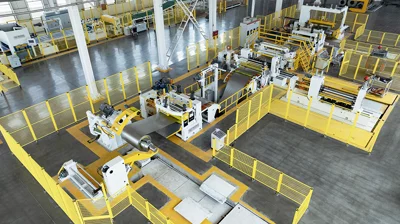
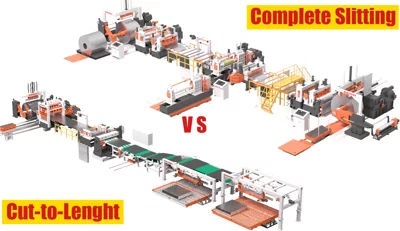
Automotive manufacturing uses large quantities of sheet metal, and many applications require narrow strip material. Wide coils must be slit into narrow strips before they can be used. The slitting line is designed for exactly this task—slitting wide coils into narrow coils of specified width. Automotive sheet metal slitting has high requirements for slit quality, because the precision requirements for automotive parts are strict. If the strip widths vary, subsequent stamping will produce rejects. So how should a slitting line for automotive sheet metal be configured? Several key points must be addressed.
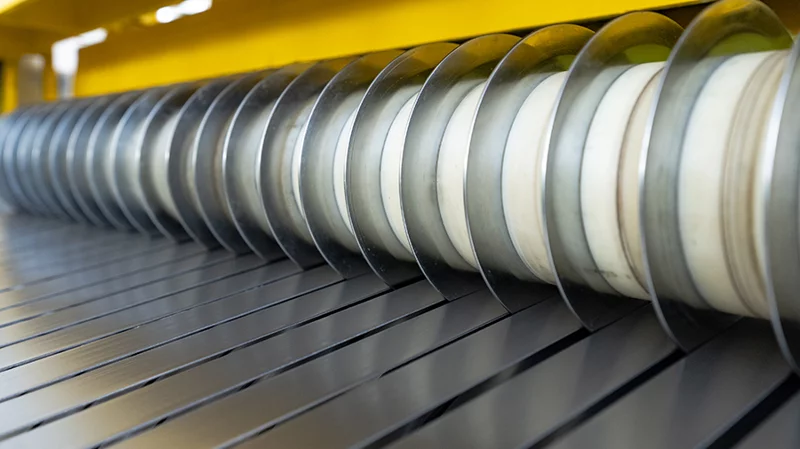
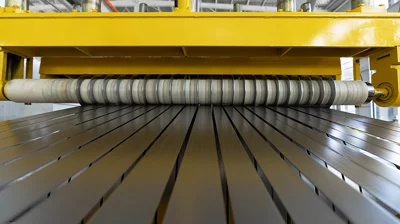
The first is slitting accuracy. For automotive sheet metal slitting, strip width consistency must be excellent. If the slit strips vary in width, the dies will not align properly during stamping, and the rejection rate will be high. Slitting accuracy is ensured by two things: first, the precision of the slitter blades—blade material must be good and the blade holders must be stable; second, the synchronization between feeding and rewinding—servo drive with encoder feedback ensures coordinated feeding and rewinding, so the strip is subjected to even forces during slitting, and the width remains stable.
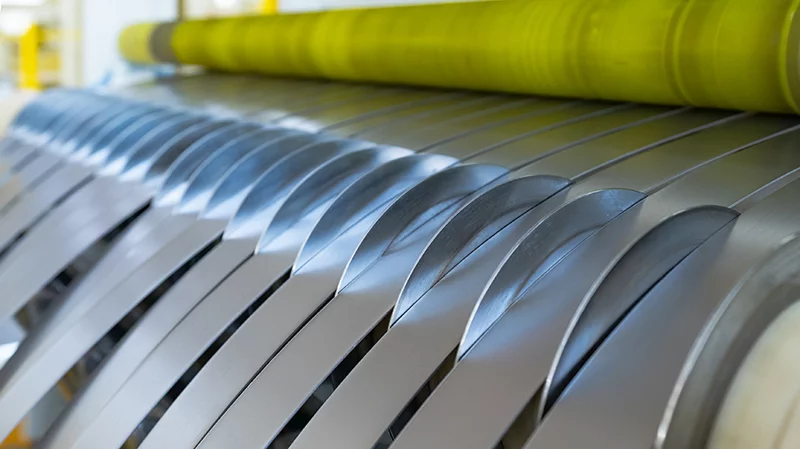
The second is blade clearance adjustment. Automotive sheet metal covers a wide thickness range, from thin to thick. Different material thicknesses require different blade clearances. If the clearance is not adjusted accurately, burrs will be large. Manual clearance adjustment relies on experience—inefficient and inconsistent. Automatic clearance adjustment lets you input material thickness and type, and the system automatically calculates the clearance—fast and accurate, with stable burr control. For automotive sheet metal slitting, automatic clearance adjustment is recommended; it facilitates thickness changes and ensures quality.
The third is tension control. After slitting, the narrow strips must be rewound. When multiple narrow strips are rewound simultaneously, the tension must be consistent. If tension is inconsistent—some coils tight, some loose—the rewound coils will have uneven end faces, causing problems for storage and subsequent use. With servo tension control, each narrow strip's tension is individually set and adjusted in real time, resulting in consistent tightness and neat end faces, ensuring the rewind quality of automotive sheet metal.
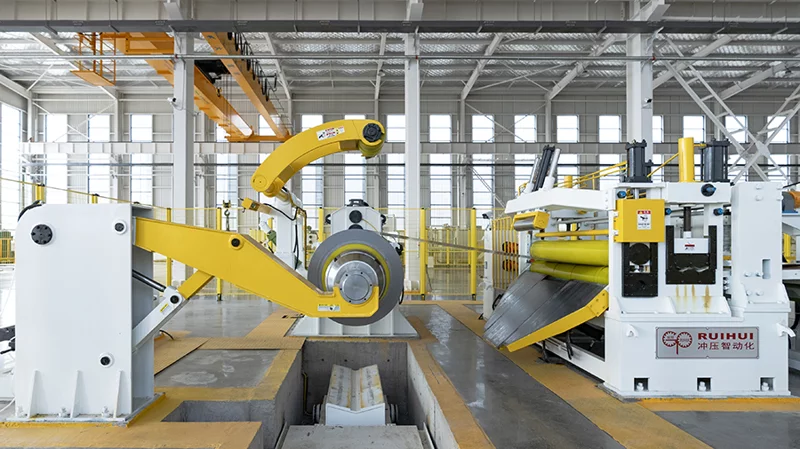
The fourth is surface protection. Many automotive sheets are used for exterior panels, which have high surface quality requirements and cannot tolerate scratches. During slitting, contact between the sheet and the blades and guiding mechanisms must be smooth to avoid scratching the surface. Some automotive sheets also have coatings or platings, which require even greater care. The guiding structure, blade condition, and tension control of the slitting line all affect surface quality. These details should be considered during selection.
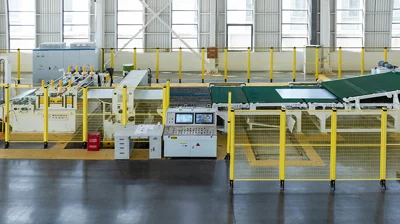
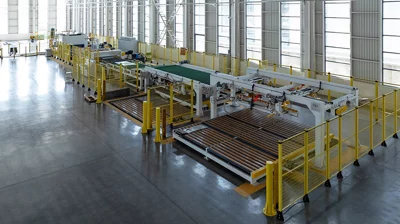
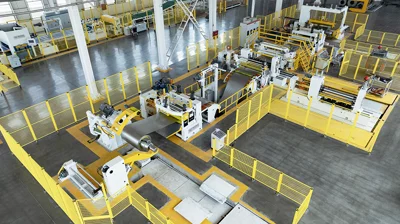
The fifth is automation support. Automotive sheet metal slitting involves large batch sizes, so the efficiency of the slitting line is critical. Automatic loading trolleys: the coil is hoisted on, automatically centered, and automatically fed onto the mandrel. Automatic threading mechanisms: no need to manually pull the strip head. Scrap edge winders: automatically collect the waste edges. When these supporting features are in place, the entire line runs continuously, with workers only responsible for monitoring and changing coils—efficiency is completely different.
The sixth is material adaptability. Automotive sheet metal comes in many types, including cold-rolled sheet, galvanized sheet, and high-strength steel sheet. The slitting line must be able to handle the materials you commonly use. Blade material, tension parameters, and leveling configuration must all be adapted accordingly. High-strength steel in particular has high hardness, placing higher demands on blades and drives. During selection, confirm the equipment's capability.
Guangdong RuiHui Intelligent Technology Co., Ltd. has been deeply engaged in the field of stamping automation for over twenty years. It is a national "Specialized and Sophisticated" "Little Giant" enterprise, headquartered in Dongguan, with more than 400 employees and over 80 R&D personnel. RuiHui's slitting lines are widely used in the automotive sheet metal slitting industry. Servo drive ensures slitting accuracy and rewinding synchronization; automatic blade clearance adjustment controls burrs; servo tension control ensures rewind quality; and the equipment is optimized for automotive sheet materials such as cold-rolled sheet, galvanized sheet, and high-strength steel. Automatic loading trolleys and scrap edge winders are available. RuiHui has nearly 5,000 sets of equipment operating at customer sites both domestically and internationally, serving well-known OEMs and first-tier suppliers such as BYD, Geely, Volkswagen, Tesla, BMW, Mercedes-Benz, Honda, and Land Rover Jaguar, with rich experience in automotive sheet metal processing.
With years of hands-on experience, I have honed my skills in navigating the complexities of global commerce, offering invaluable insights and solutions to address customer needs. My commitment to excellence and dedication to customer satisfaction ensure that I deliver exceptional service, guiding clients through every step of the trading process with confidence and proficiency.
Related Topics:
slitting lineYou may also like
Related News
Latest Update