

How to Plan a Robot Tandem Stamping Line Press Layout and Robot Configuration Solutions
Share to : 


Planning a robot tandem stamping line is not simply a matter of putting several presses and several robots together. Whether the line can run smoothly and whether capacity can meet expectations depends on clarifying several issues during the planning stage: how to arrange the presses, how to configure the robots, how to coordinate the timing, and how to integrate the front and back ends. Once these issues are clarified, the skeleton of the entire line is established.
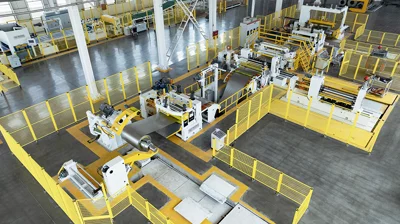
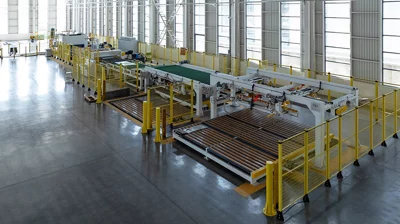
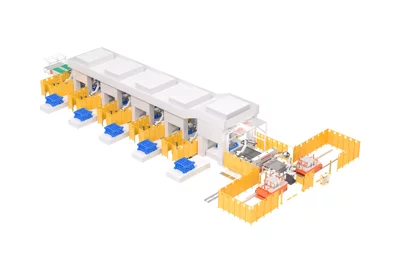
The first step is press layout. Multiple presses are arranged in process sequence, generally in a straight line, with operations adjacent to one another, and workpieces moving from the first press to the last. This path is the shortest and smoothest. When arranging, consider that the press bed heights must be consistent so that workpiece transfer is smooth. The spacing between presses must be sufficient for the robots to have room to operate—if the spacing is too small, the robot will struggle even to turn; if too large, workshop space is wasted. Also, the workshop foundation, load-bearing capacity, power supply, and air supply must all be planned together during layout.
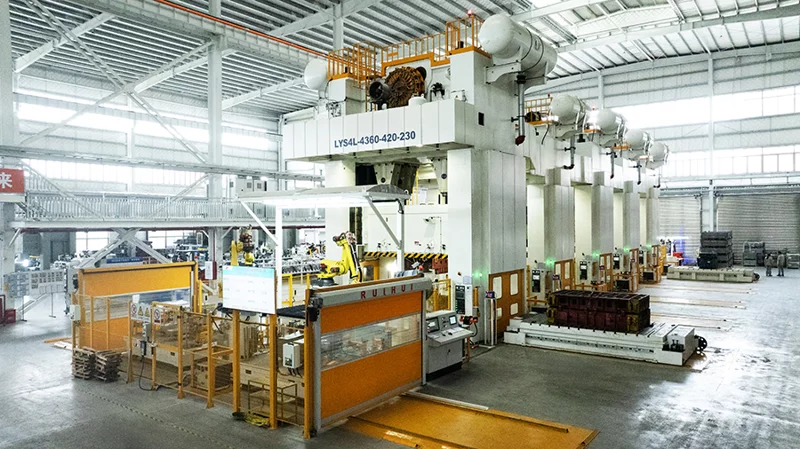
The second step is robot configuration. This is the core of the entire line. How to configure the robots mainly depends on the workpieces and the cycle time. The robot's payload must be calculated based on the workpiece weight plus the gripper weight, with a safety margin. Large body panels are big and heavy—if the payload is insufficient, they cannot be moved. The reach must cover the distance for picking and placing parts between two presses; if the reach is insufficient, the robot cannot reach. One robot is placed between every two presses; the total number of robots for the line is calculated as the number of operations minus one. These parameters must be repeatedly confirmed with the manufacturer. It is best to have the manufacturer perform a cycle time simulation to verify whether the robot can complete the pick-and-place actions within the target cycle time.
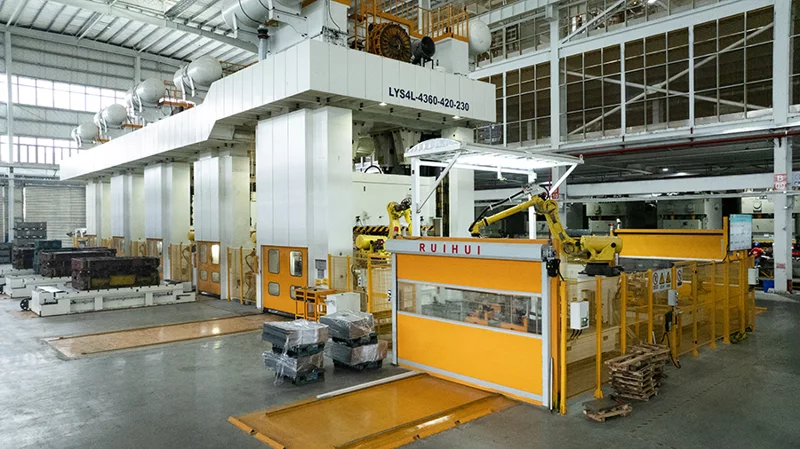
The third step is timing coordination. The soul of a robot tandem line is timing. When to pick, when to place, and when the press should stroke—these signal interactions must be precise and reliable. The robot must pick up the part only after the press slide has risen to the top position, and the press may only stroke after the robot has placed the part and exited the die area. This coordination relies on safety interlock signals between the robot and the press. During planning, the signal interface scheme must be clearly defined; during commissioning, it must be repeatedly verified. When the timing is correct, the entire line is safe and efficient.
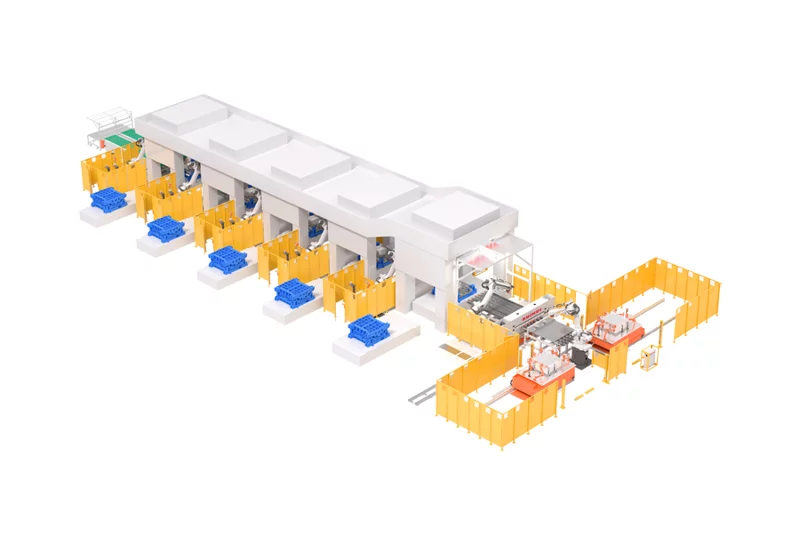
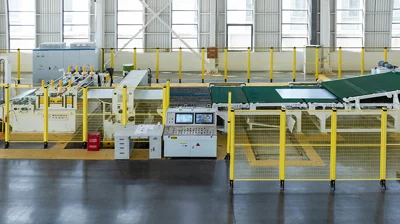
The fourth step is front-end and back-end equipment integration. The entire line is not just presses and robots. The front end requires destacking and feeding equipment to separate blanks one by one, position them, and feed them to the first press. The back end requires part collection and stacking equipment to automatically collect and stack finished parts from the final operation. The connection between the front and back ends and the middle stamping line must be smooth, and the cycle times must match. If the front end cannot supply material fast enough or the back end cannot collect fast enough, the entire line will be bottlenecked.
The fifth step is safety protection design. A robot tandem line must have safety fencing to enclose the robot and press working areas, with workers operating only in safe zones. Safety light curtains must be installed so that if someone enters the working area, the equipment automatically stops. The safety interlock between robots and presses is the bottom line—no component is allowed to operate in an unsafe state. These safety designs are not optional configurations; they are mandatory.
Finally, the planning approach. Planning a robot tandem stamping line essentially means integrating product processes, press configuration, robot capabilities, and front/back-end equipment into one unified solution. Before planning, think clearly about your product situation, number of operations, target cycle time, and workshop conditions, and hand the overall design to a manufacturer with complete line integration experience. Good planning is half of smooth production later—this stage deserves extra thought.
Guangdong RuiHui Intelligent Technology Co., Ltd. has been deeply engaged in the field of stamping automation for over twenty years. It is a national "Specialized and Sophisticated" "Little Giant" enterprise, headquartered in Dongguan, with more than 400 employees and over 80 R&D personnel. For robot tandem stamping line planning, RuiHui provides integrated line planning solutions covering press layout, robot selection, cycle time simulation, timing design, front/back-end equipment integration, and safety protection. They can configure six-axis industrial robots based on product characteristics and cycle time requirements. RuiHui has supplied robot tandem stamping automation lines to numerous automotive OEMs and first-tier suppliers. With nearly 5,000 sets of equipment operating at customer sites both domestically and internationally, serving well-known companies such as BYD, Geely, Volkswagen, Tesla, BMW, Mercedes-Benz, Honda, and Land Rover Jaguar, RuiHui has rich experience in complete line planning.
With years of hands-on experience, I have honed my skills in navigating the complexities of global commerce, offering invaluable insights and solutions to address customer needs. My commitment to excellence and dedication to customer satisfaction ensure that I deliver exceptional service, guiding clients through every step of the trading process with confidence and proficiency.
You may also like
Related News
Latest Update