


3‑in‑1 Feeder Drives Stamping‑Automation Transformation
Stamping‑shop automation starts from the fundamental feeding process. Conventional manual feeding is slow, low
Nov 03, 2026With years of hands-on experience, I have honed my skills in navigating the complexities of global commerce, offering invaluable insights and solutions to address customer needs. My commitment to excellence and dedication to customer satisfaction ensure that I deliver exceptional service, guiding clients through every step of the trading process with confidence and proficiency.
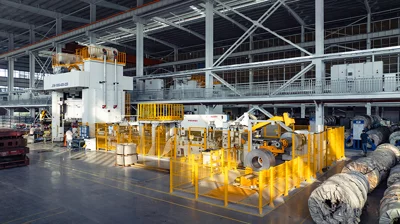
Stamping‑shop automation starts from the fundamental feeding process. Conventional manual feeding is slow, low
Nov 03, 2026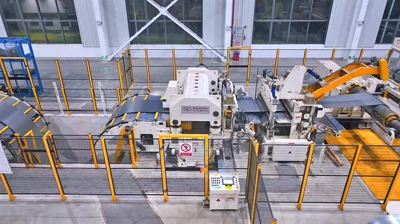
Proper installation and commissioning are critical for stable operation of 3‑in‑1 feeders. Poor installation m
Nov 03, 2026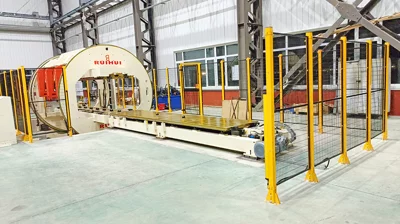
Upenders flip sheet‑metal stacks by 90° or 180° in stamping workshops. Its control system manages parameters s
Nov 03, 2026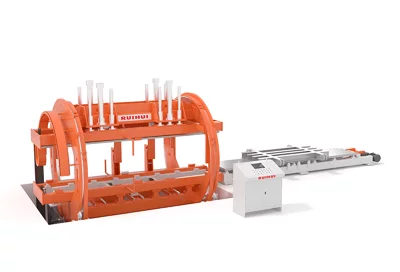
Upenders in stamping workshops flip sheet stacks by 90° or 180°. Excessively low rotation speed causes line bo
Nov 03, 2026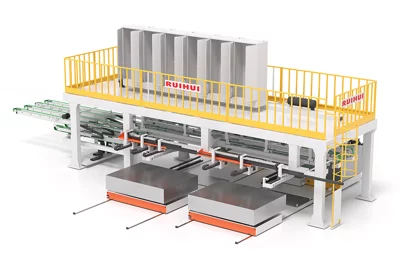
Stackers are installed at the outlet of cut‑to‑length lines for sheet stacking. Conventional manual trolley re
Nov 03, 2026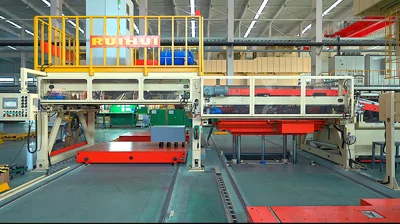
Traditional cut‑to‑length lines rely on manual stacking at line‑end, which is labor‑intensive and yields untid
Nov 03, 2026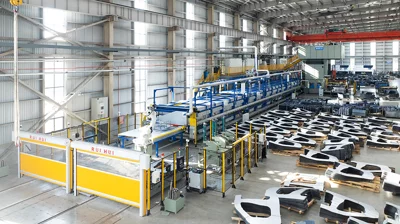
End‑of‑arm‑tools for hot‑stamping manipulators directly contact blanks up to 900 °C. Vacuum suction cups are i
Nov 03, 2026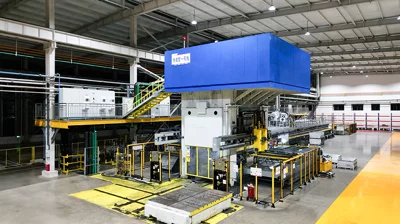
Loading‑unloading manipulators serve as core equipment for hot‑stamping lines. They handle workpieces heated u
Nov 03, 2026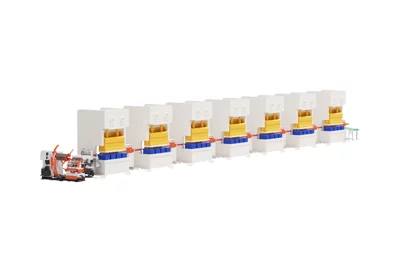
Manual loading and unloading represents the major hazard in stamping workshops. Operators reach into die zones
Nov 03, 2026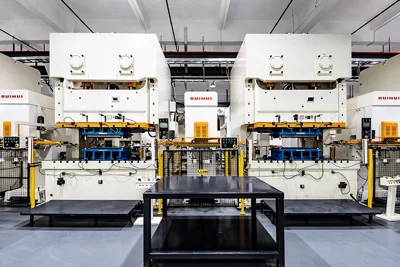
Conventional multi‑press tandem stamping lines require manual workpiece transfer between adjacent presses, lea
Nov 03, 2026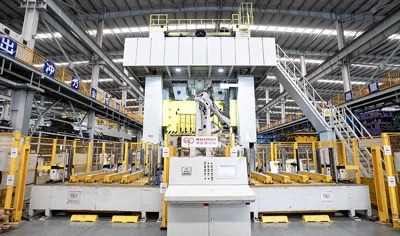
Robotic stamping lines involve high‑speed robot motion and press‑slider movement of heavy workpieces, which ca
Oct 30, 2026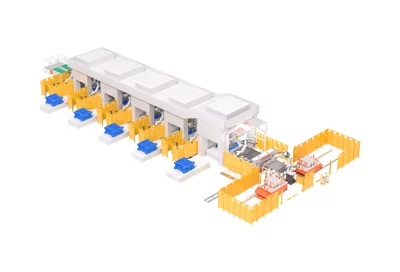
Finished‑part collection is located at the end of robotic stamping lines. Traditionally, heavy stamped workpie
Oct 30, 2026

