

Application of Stamping Technology in the Production of EV Car Battery Casing
Share to : 


With the rapid development of the EV car industry, the market demand for related components continues to grow. Stamping technology, as one of the key processes in the production of EV car battery casings, plays a crucial role in improving production efficiency and product quality. Aluminum, due to its light weight and good thermal conductivity, has become the mainstream material for EV car battery casings. This article will help you understand the application of stamping technology in the production of EV car battery casings.
Features of EV Car Battery Casing
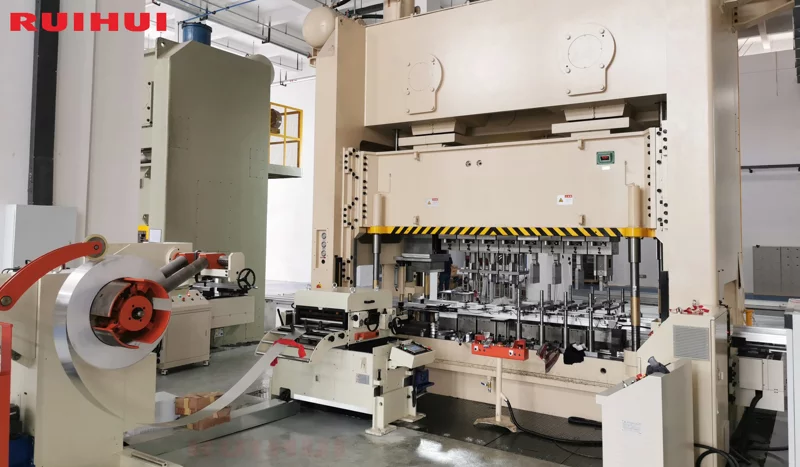
1. The battery casing has a simple structure, primarily formed by deep drawing, typically through a step-by-step forming process.
2. The battery casing is usually made of aluminum, which is lightweight and has excellent thermal conductivity, beneficial for heat dissipation in the battery system and for lightweight vehicle design. Furthermore, aluminum has good ductility, making it suitable for deep drawing and other plastic forming processes.
NC ZigZag Feeder
Overview
Although aluminum is suitable for battery casing production, its raw material cost is higher than that of ordinary steel. Therefore, maximizing material utilization and reducing unit manufacturing costs while ensuring product quality has become an important issue. The zigzag feeder is built upon a conventional feeder by adding an independent lateral offset drive system. This enables precise control of the metal strip's lateral position.
Features
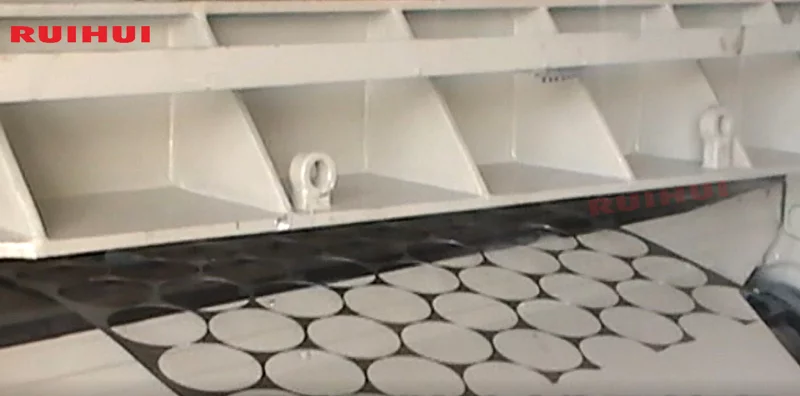 (The blanks are arranged compactly.)
When blanking round or near-round sheets, the zigzag feeder can move the strip left and right, resulting in a more compact blanking arrangement and higher material utilization compared to traditional linear feeding methods.
2-Axis Transfer System
Overview
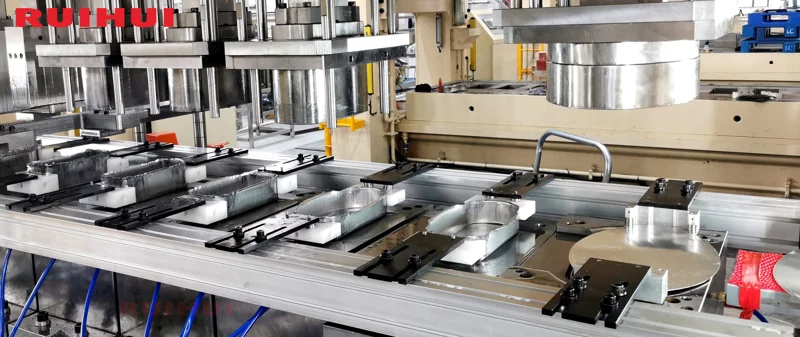 (Battery casing forming process.)
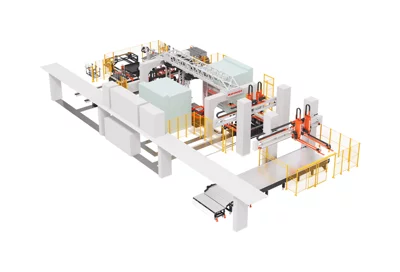
In the step-by-step deep drawing production of battery casings, the two-axis transmission system realizes the rapid and stable transfer of workpieces between various processes through two directions of movement: left and right and front and back.
Features
1. Simple motion trajectory; fast and stable production speed while meeting the workpiece transfer requirements of battery casing production.
2. Relatively simple structure, easy to debug and maintain.
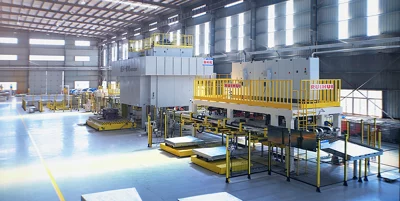
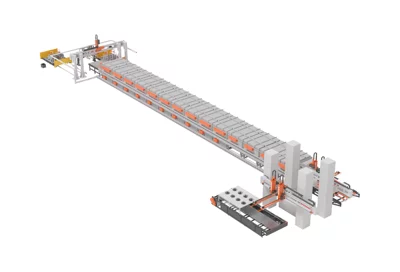
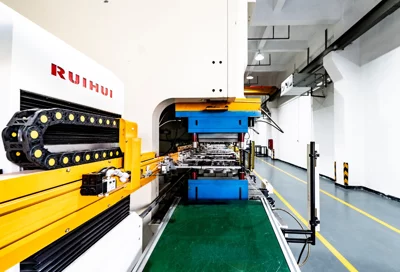
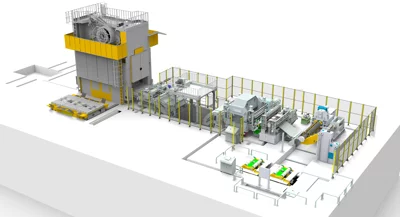
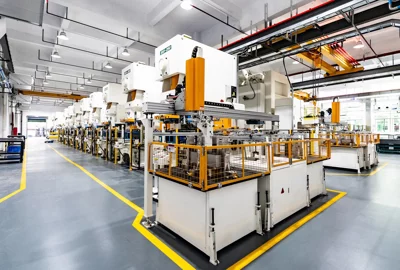
This is the EV car battery casing production line. You can see how the zigzag feeder and 2-axis transfer system work. If you are interested in these or have any questions, feel free to contact us. Thank you for reading.
With years of hands-on experience, I have honed my skills in navigating the complexities of global commerce, offering invaluable insights and solutions to address customer needs. My commitment to excellence and dedication to customer satisfaction ensure that I deliver exceptional service, guiding clients through every step of the trading process with confidence and proficiency.
You may also like
Related News
Latest Update