

Automatic Stacking on Cut-to-Length Lines Makes Material Collection Neater and More Efficient
Share to : 


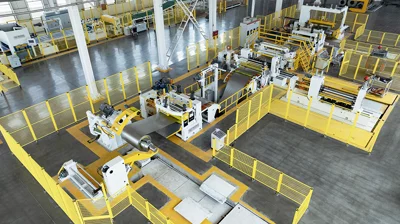
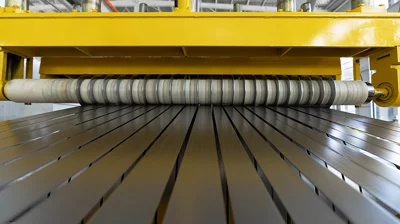
In sheet metal processing workshops, the material collection and stacking stage is one of the best indicators of a factory's management level. Whether the cut sheets are stacked neatly and clearly or piled up crookedly and difficult to handle makes a huge difference. In the past, many factories relied on manual collection—workers carried sheets away one by one and stacked them by hand. After a full day, their backs would ache, and whether the stack was neat depended entirely on the worker's condition. In recent years, as cut-to-length lines have been equipped with automatic stacking, this stage has been completely transformed.
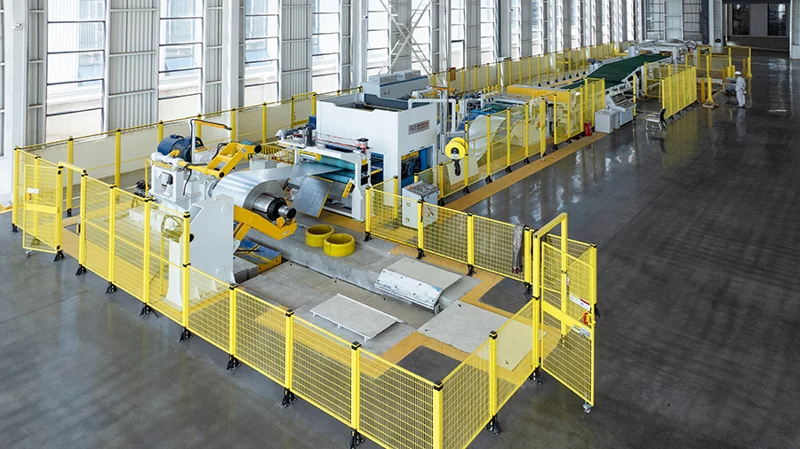
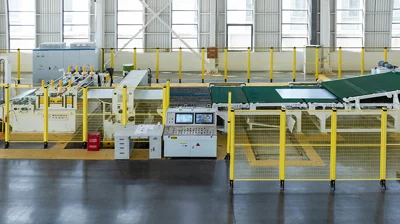
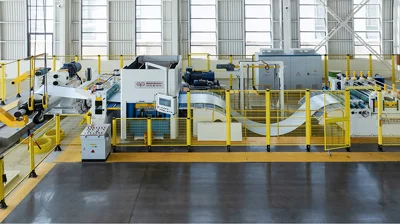
Automatic stacking on a cut-to-length line means automatically stacking the cut sheets into neat piles at the end of the line, without manual handling one sheet at a time. There are two main methods: gravity stacking and magnetic stacking, each suited to different scenarios.
Gravity stacking is generally used with conveyor belts. After the sheets leave the shearing equipment, they are transported by conveyor to a position above the receiving trolley and then fall by gravity onto the trolley, stacking layer by layer. The advantage of this method is speed—the conveyor feeds continuously, and the sheets drop and stack very efficiently. It is suitable for ordinary sheets in fast-paced production where surface quality requirements are not extremely strict. Many factories processing ordinary carbon steel sheets find that gravity stacking fully meets their collection needs.
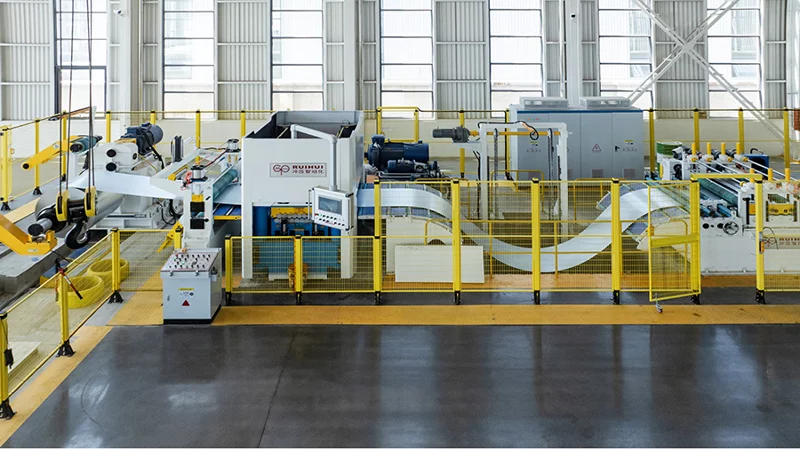
Magnetic stacking is generally used with magnetic conveyor belts. After the sheets leave the equipment, they are transported on a magnetic belt, which uses magnetic force to hold the sheets against the belt and carry them to the receiving station, where they are then placed onto a trolley and stacked. This method provides better surface protection because the sheets travel in contact with the magnetic belt rather than falling freely as in gravity stacking, avoiding impacts and friction during the drop. It is suitable for sheets with high surface quality requirements. Magnetic stacking also works with various sheet shapes, provided the material itself is magnetic—such as common carbon steel sheets.
The benefits of automatic stacking are tangible. First, stack quality is neat. With manual stacking, the pile gradually becomes crooked; as more sheets are added, uneven stress at the bottom can even cause deformation. Automatic stacking uses positioning mechanisms to precisely control the position of each sheet, producing square, flush, and corner-aligned stacks. Neat stacks are less likely to collapse or damage the sheets during handling, take up less storage space, and are easier to load for transport—benefits that carry through the entire process.
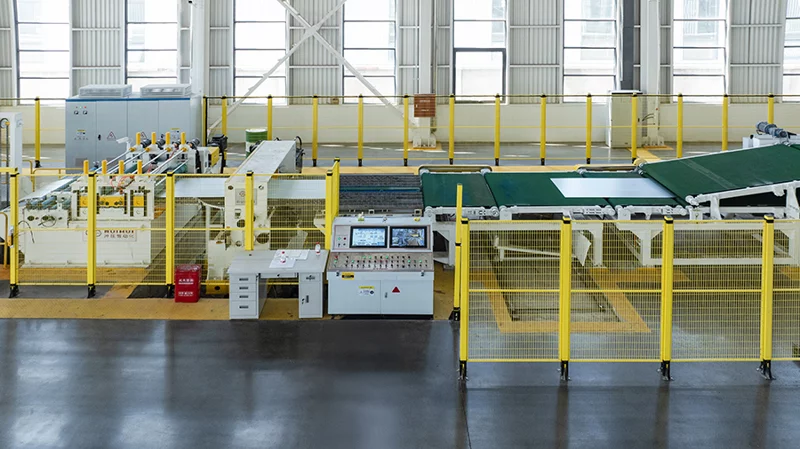
Second, efficiency improves. Manual stacking speed is limited, and the higher and more tiring the work becomes, the slower it gets. Automatic stacking maintains a stable speed that keeps up with the cut-to-length line's shearing rhythm, allowing the entire line to run continuously without the shear outpacing the stacker. With an automatic trolley-change function, once one trolley is full, the system automatically switches to another, causing almost no delay and further improving collection efficiency.
Third, fewer workers are needed. Previously, material collection and stacking required at least two dedicated workers. Now, one automatic stacker handles it, and workers only need to come over to change trolleys when a stack is full. Sheets are heavy and large, with sharp edges—manual handling is not only strenuous but also carries the risk of cuts. Automatic stacking eliminates all of this, making work easier and safer.
When selecting automatic stacking for a cut-to-length line, the main considerations are the sheet material and surface quality requirements. For ordinary sheets and fast-paced production, gravity stacking is sufficient; for sheets with high surface quality requirements that are easily scratched, magnetic stacking is more reliable. Provide the manufacturer with the material, dimensions, and stack weight requirements, and let them configure a suitable stacking solution—then material collection truly becomes worry-free.
Guangdong RuiHui Intelligent Technology Co., Ltd. has been deeply engaged in the field of stamping automation for over twenty years. It is a national "Specialized and Sophisticated" "Little Giant" enterprise, headquartered in Dongguan, with more than 400 employees and over 80 R&D personnel. RuiHui's automatic stacking for cut-to-length lines offers both gravity stacking and magnetic stacking solutions, respectively used with conveyor belts and magnetic conveyor belts. They provide neat stacking, high efficiency, and good surface protection, and are widely used at the end of blanking lines in the automotive, home appliance, hardware, and other industries. They can be customized according to sheet material, dimensions, and surface quality requirements. RuiHui has nearly 5,000 sets of equipment operating at customer sites both domestically and internationally, serving well-known OEMs and first-tier suppliers such as BYD, Geely, Volkswagen, Tesla, BMW, Mercedes-Benz, Honda, and Land Rover Jaguar, with rich experience in the sheet metal processing field.
With years of hands-on experience, I have honed my skills in navigating the complexities of global commerce, offering invaluable insights and solutions to address customer needs. My commitment to excellence and dedication to customer satisfaction ensure that I deliver exceptional service, guiding clients through every step of the trading process with confidence and proficiency.
You may also like
Related News
Latest Update