

Automotive Body Panel Production Line How to Commission the Synergy Between a Three-in-One Feeder and a 3-Axis Transfer Robot
Share to : 


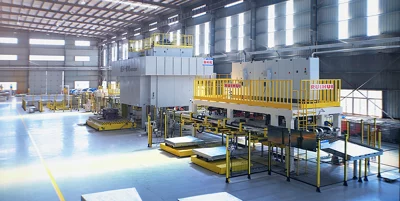
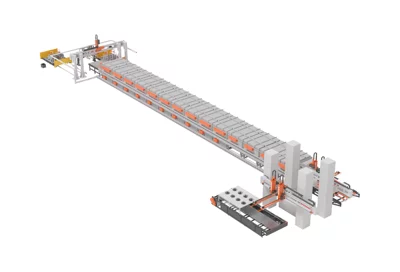
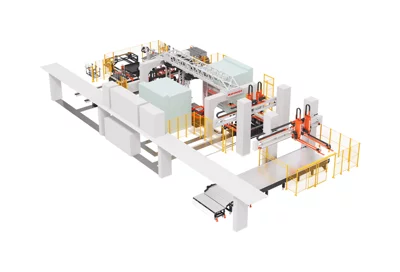
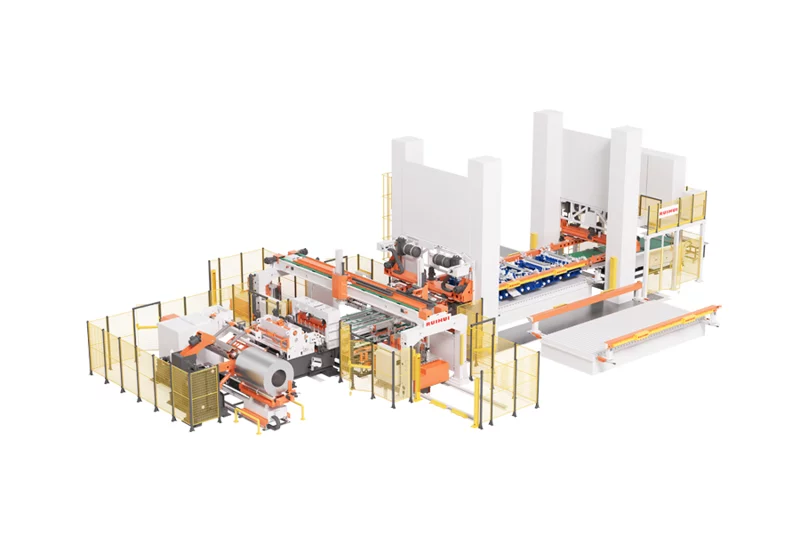
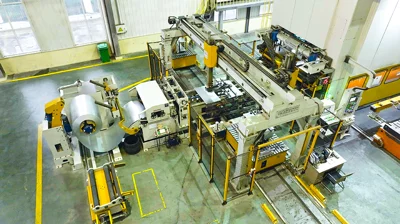
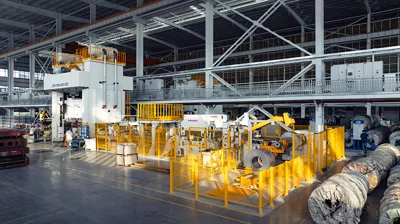
Anyone involved in automotive body panel stamping automation knows that buying the equipment is only the first step. Whether the line can achieve high efficiency depends entirely on the "synergy commissioning" phase. The three-in-one feeder is responsible for transforming coil material into flat sheets and feeding them precisely into the first operation; the 3-axis transfer robot is responsible for moving semi-finished workpieces from one station to the next inside the press. The two are like the midfielder and striker on a football field—when they coordinate well, they score goals; when they don't, they just get in each other's way.
So how do you actually go about commissioning this? Let's break it down step by step.
First is "rhythm synchronization." The three-in-one feeder and the 3-axis transfer robot must share a common "heartbeat." The typical approach is to use the press main shaft encoder as the reference signal source for the entire line. The feeder receives the signal when the press slide reaches top dead center and begins feeding; the robot receives the signal when the slide rises to a safe height and begins picking and placing parts. During commissioning, this signal timing must be tested repeatedly to ensure that by the time the feeder delivers the material into position, the robot is ready to grasp it firmly—no waiting, and absolutely no interference.
Second is "precision interfacing." The feeding accuracy of a three-in-one feeder can typically achieve ±0.05mm. However, if the robot vibrates during high-speed transfer or lacks sufficient repeat positioning accuracy, then no matter how precise the feeding was, it's all for nothing. During commissioning, special attention should be paid to checking the robot's placement position at each station, ensuring that the positional deviation is kept within the die's allowable tolerance. If deviation is found, the first step is to check the robot's servo parameters and guide rail clearances—not to adjust the feeder.
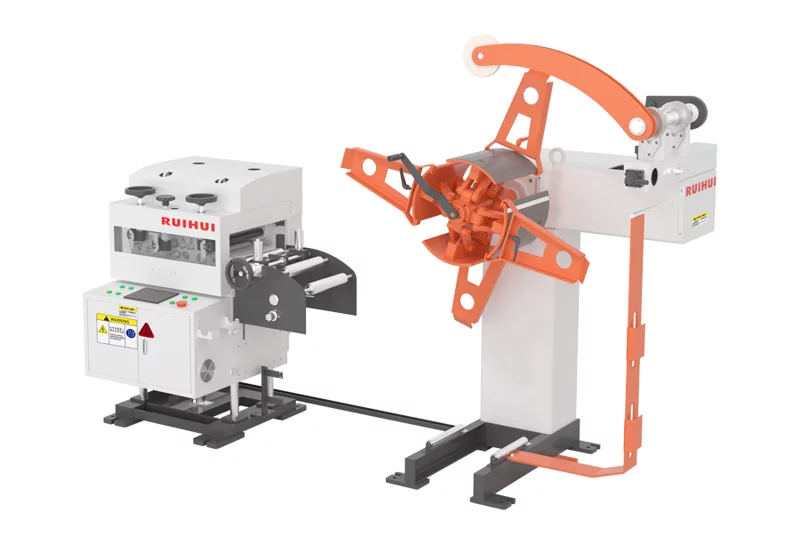
Third is "fault interlocking." This is an area often overlooked on many lines. For example, if the feeder detects that the coil material has run out or that the leveler is jammed, it not only needs to stop itself, but must also immediately send a signal to the robot: "No more material—stop moving." Conversely, if the robot detects inside the press that a workpiece hasn't been placed properly, it must also tell the feeder to pause feeding. The logic for this signal exchange must be thoroughly programmed during commissioning—otherwise, when a problem occurs, the consequences can range from die damage to a complete line shutdown.
Fourth is "changeover commissioning." Automotive body panel lines require frequent die changes, and changeover efficiency directly affects the line's effective operating time. During commissioning, the changeover process should be optimized—for example, can the feeder recall recipe parameters for different products with one command? Can the robot quickly switch grippers or adjust its stroke? A well-designed solution minimizes changeover time, getting the line back into production as quickly as possible.
In the automotive body panel sector—where demands on whole-line synergy are exceptionally high—Guangdong RuiHui Intelligent Technology Co., Ltd. has extensive and mature commissioning experience. RuiHui's three-in-one feeders and 3-axis transfer robots undergo extensive joint testing before leaving the factory, with the underlying control system logic fully integrated. When on-site at the customer's facility, RuiHui's engineers perform fine-grained parameter calibration and timing optimization based on the actual die layout and production cycle time, ensuring the entire line runs seamlessly. This commissioning capability—transitioning from "standalone equipment" to "whole-line synergy"—is exactly what has solidified RuiHui's position in the automotive stamping automation field.
In summary, the commissioning of synergy between a three-in-one feeder and a 3-axis transfer robot revolves around rhythm synchronization, precision interfacing, fault interlocking, and changeover optimization. Get these four steps right, and your line will truly deliver high efficiency.
With years of hands-on experience, I have honed my skills in navigating the complexities of global commerce, offering invaluable insights and solutions to address customer needs. My commitment to excellence and dedication to customer satisfaction ensure that I deliver exceptional service, guiding clients through every step of the trading process with confidence and proficiency.
You may also like
Related News
Latest Update