

How Can a Three-in-One Feeder and a 3-Axis Transfer Robot Achieve Efficient Synergy in a Complete Line Solution
Share to : 


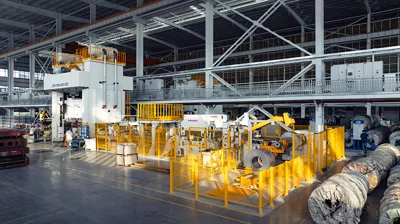
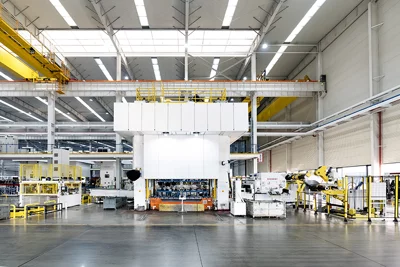
Anyone involved in stamping automation knows that buying individual pieces of equipment and placing them on the shop floor won't make you money—the key lies in "coordination." It's like football: no matter how good your striker is, it's useless if the midfield can't get the ball to him. On a stamping production line, the front-end "three-in-one feeder" is the midfield—responsible for delivering the material properly—and the back-end "3-axis transfer robot" is the striker—responsible for getting the job done. How these two work together directly determines the upper limit of the entire line's efficiency.
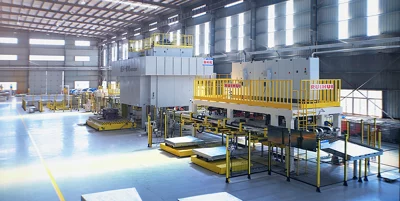
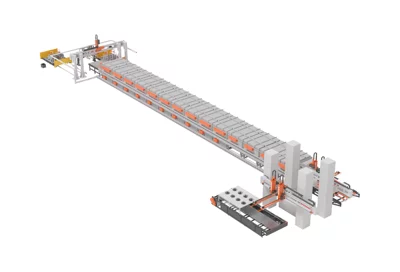
Many business owners have a misconception: they think that buying an expensive feeder and an expensive robot and putting them together will automatically create a great line. That's not the case. The three-in-one feeder integrates three functions—uncoiling, leveling, and feeding—and its job is to turn coil material into flat sheet stock and feed it into the first stamping station with extremely high precision. The 3-axis transfer robot, on the other hand, works inside the press, transferring semi-finished workpieces from one station to the next.
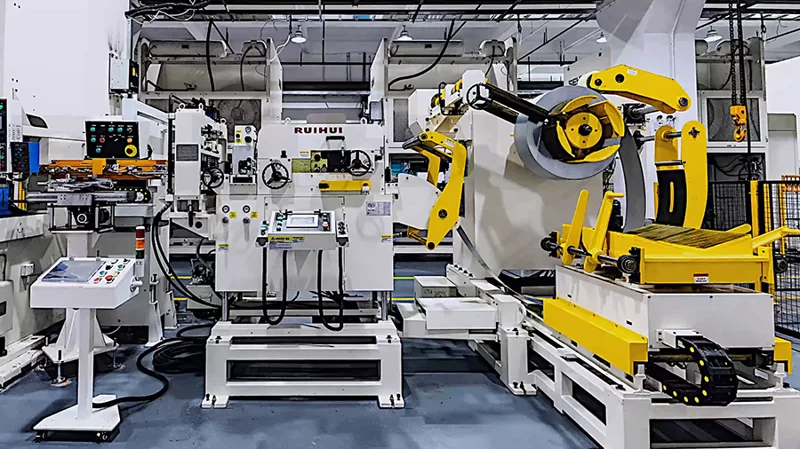
The first key to their synergy is "rhythm." The three-in-one feeder is typically servo-driven and responds very quickly. It needs to know exactly when the robot has picked up a part and when it's time to feed the next sheet. If coordination is poor, either the feeder sends material too early and crashes into the die, or it sends material too late and the press sits idle. A well-designed line solution uses a central control system to "tie" the two together. For example, once the robot completes one cycle, it sends a signal to the feeder, which responds immediately—the whole process flows seamlessly with virtually no waiting time.
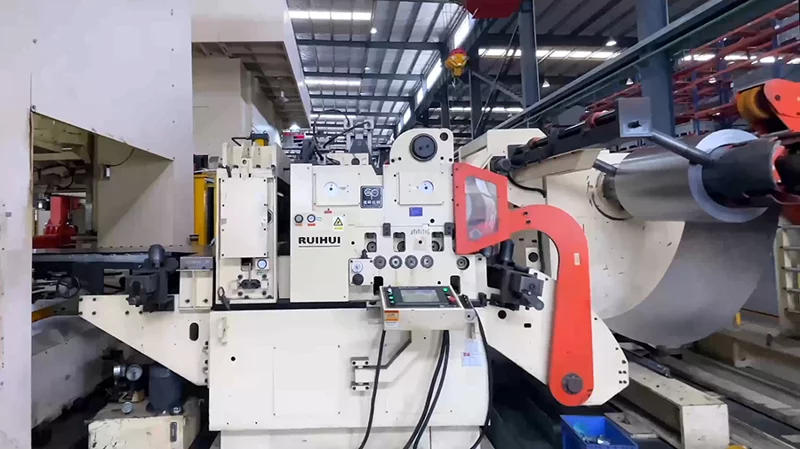
The second key is "precision." The three-in-one feeder delivers sheet metal into the die with an accuracy that can be controlled within ±0.05mm. But if the 3-axis transfer robot wobbles even slightly during subsequent transfers, or if its positioning is off, then no matter how accurate the feeding was, the final product will still be scrap. Therefore, the robot's repeat positioning accuracy must match the feeder's precision. This requires the robot to have excellent structural rigidity and a fast-responding servo system, so it doesn't vibrate during high-speed transfers.
A third factor that's often overlooked is the coordination of "exception handling." For example, if the feeder detects that the coil material has run out or that the leveler is jammed, it not only needs to stop itself, but must also immediately tell the robot: "No more material—stop moving." Conversely, if the robot detects that a workpiece hasn't been placed properly inside the press, it needs to tell the feeder to pause feeding. The logic for this kind of signal exchange must be thoroughly programmed during the commissioning phase.
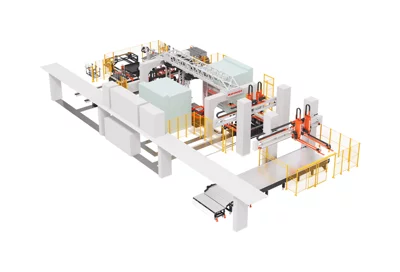
In this regard, the experience of Guangdong RuiHui Intelligent Technology Co., Ltd. is well worth referencing. RuiHui has been providing complete line solutions for many years and understands the pain points of coordinating these two pieces of equipment inside out. Their three-in-one feeders and 3-axis transfer robots undergo extensive joint testing and commissioning before leaving the factory. Their control systems are fully integrated, allowing operators to monitor everything—from front-end coil handling to back-end part transfer—on a single screen.
Moreover, RuiHui pays close attention to detail design. For instance, their three-in-one feeder can be equipped with an automatic loading car to reduce manual intervention, and the robot can be fitted with automatic gripper changers to accommodate different products. These functions are all managed through a unified control system, so during changeovers, the entire setup can be recalled with one command, significantly reducing downtime. This mindset shift—from "standalone equipment" to "whole-line synergy"—is the core of achieving efficient production. So, when planning your production line, never look at the feeder and the robot in isolation. Be sure to choose a provider like RuiHui that can deliver a complete integrated solution, ensuring that all equipment truly "speaks the same language"—and that's how you maximize efficiency.
With years of hands-on experience, I have honed my skills in navigating the complexities of global commerce, offering invaluable insights and solutions to address customer needs. My commitment to excellence and dedication to customer satisfaction ensure that I deliver exceptional service, guiding clients through every step of the trading process with confidence and proficiency.
You may also like
Related News
Latest Update