

How Three-in-One Feeder Automation Upgrades Old Workshops
Share to : 


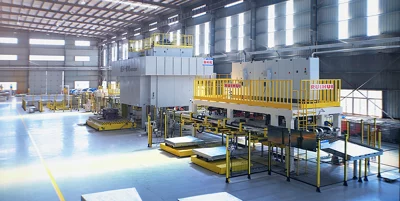
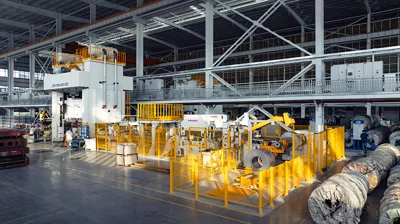
Many established stamping factories face the same awkward situation: the equipment isn't exactly old, and orders aren't scarce, but the workshop is plagued by high labor demand and slow pacing—and owners feel the pinch. A couple of years ago, I visited a home-appliance supplier's plant. Their stamping shop still ran the old way: a separate decoiler, leveler, and feeder lined up, each with its own attendant. Someone had to monitor coil loading, someone else adjusted each machine, and if the strip drifted, an operator had to run over and fix it. One line needed three people; two lines took six—just for the front-end alone. That's a textbook case of a workshop overdue for an upgrade.
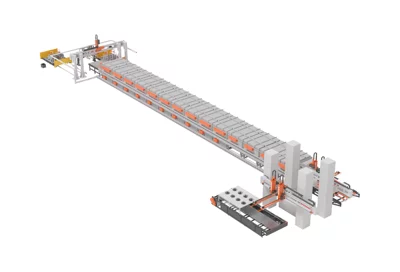
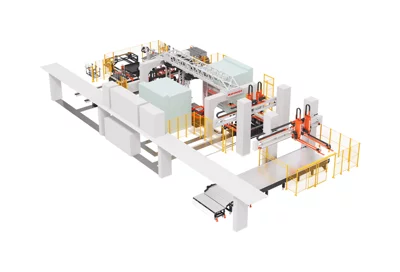
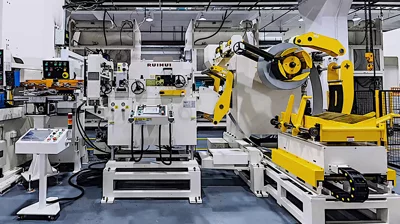
The three-in-one feeder is designed exactly for this problem. It integrates decoiling, leveling, and feeding into a single machine. From coil input to strip flattening and precisely measured feeding into the stamping die, the whole front-end runs without constant human attendance. The biggest fear in retrofitting an old workshop is major upheaval and production stoppages. The beauty of the three-in-one feeder is that it acts as a standalone unit—you place it where the old decoiler stood, connect the strip, and replace the three separate machines. No workshop reconstruction, no new foundations, short retrofit time, and operators adapt quickly.
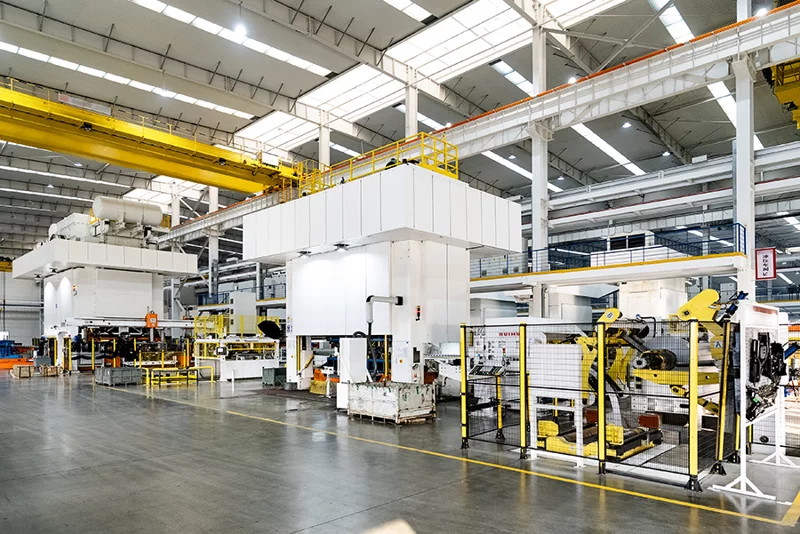
The most visible change after the upgrade is fewer hands needed. Where three people used to watch the front-end, now one person just checks occasionally to ensure the coil doesn't run out. The perennial headache of recruiting workers becomes much less acute, because the same production line requires significantly fewer operators.
Setup adjustments also improve dramatically. In old workshops, switching product specifications is a time‑consuming chore: you had to tweak the decoiler's tension, the leveler's roll gap, and the feeder's pitch separately on three machines—adjust one, then another, and if they didn't sync, start over. The three‑in‑one uses a unified control system. On the large touchscreen, you enter material thickness, width, and feed pitch, and the machine automatically matches leveling pressure and feed speed. Previous parameters can be saved as recipes, so for the next changeover you just recall them. For factories with many product variants and frequent changeovers, this saves hours of setup time each day—hours that translate directly into capacity.
In terms of feeding accuracy, the three‑in‑one also delivers more confidence. It uses a servo motor with encoder feedback for precise pitch control, and because the leveling rolls and feed rolls share the same rigid frame, you eliminate cumulative errors from installation tolerances between separate units. Stable strip feeding means fewer rejects in stamped parts.
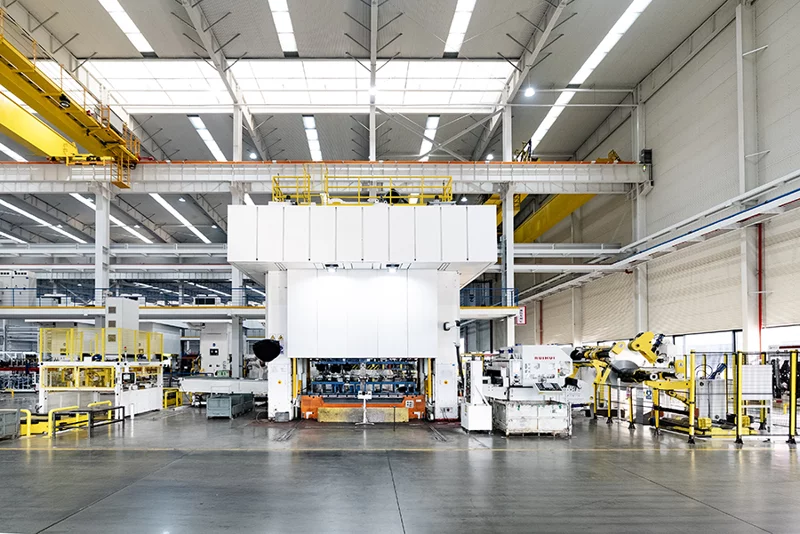
From a plant‑upgrade perspective, the three‑in‑one feeder isn't just a local improvement—it transforms front‑end feeding from "people watching people" into automated operation, and that's the first solid step toward automating the entire stamping shop. Once the front‑end runs smoothly, you can gradually upgrade the stamping and collecting stages, building up the factory's automation level layer by layer.
Guangdong RuiHui Intelligent Technology Co., Ltd. has over twenty years of experience in stamping automation. It is a national "Specialized and Sophisticated" "Little Giant" enterprise, headquartered in Dongguan, with more than 400 employees and over 80 R&D staff. RuiHui's three‑in‑one feeders are maturely applied in automotive parts, home‑appliance sheet metal, 3C hardware, new energy, and other industries. They come with automatic coil loading trolleys and large touchscreens, and the recipe memory function supports storing multiple product parameters for quick changeover recall—ideal for old‑workshop retrofits. To date, RuiHui has nearly 5,000 sets of stamping automation equipment operating at customer sites both domestically and internationally, serving well‑known OEMs and first‑tier suppliers including BYD, Geely, Volkswagen, Tesla, BMW, Mercedes‑Benz, Honda, and Land Rover Jaguar.
Upgrading an old workshop doesn't have to be a leap all at once. Start with the front‑end feeding process—it delivers fast results and is easy for workers to learn. Automate the most labor‑intensive part first, and you've taken the most practical step forward on your factory's upgrade journey.
With years of hands-on experience, I have honed my skills in navigating the complexities of global commerce, offering invaluable insights and solutions to address customer needs. My commitment to excellence and dedication to customer satisfaction ensure that I deliver exceptional service, guiding clients through every step of the trading process with confidence and proficiency.
You may also like
Related News
Latest Update