

How Stable Is a Link-Type Transfer Robot Tandem Stamping Line Over Long-Term Operation
Share to : 


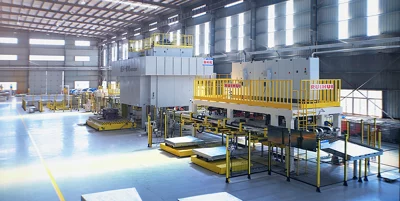
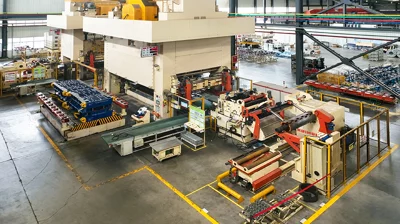
For enterprises engaged in high-volume stamping production, the multi-press tandem line is an unavoidable option. And within the tandem line, the key component responsible for transferring workpieces between stations is typically the link-type transfer robot. Many business owners wrestle with one question before making the investment: over the long haul, how reliable is this system's stability? After all, when a production line goes down, the losses add up quickly.
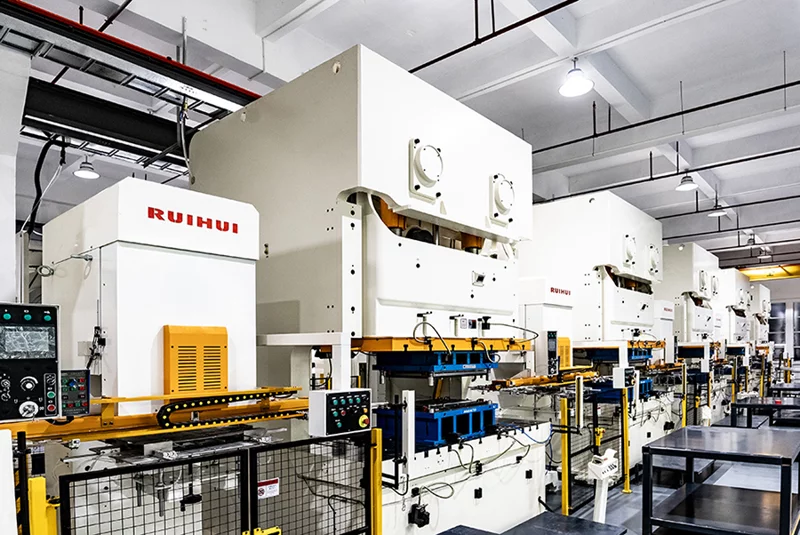
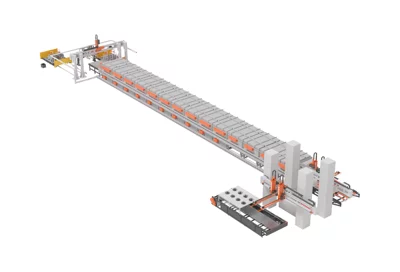
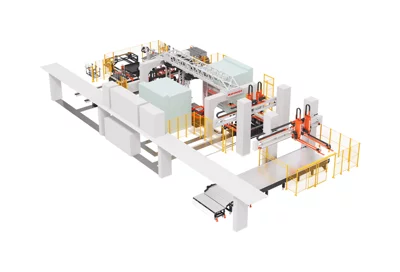
Let's first understand the working logic of the link-type transfer robot in a tandem line. Unlike articulated robots, it typically employs a rigidly connected linkage structure driven by a main motor, with precision cams or gearboxes synchronizing the motion of all arms. This mechanically hard-connected approach is inherently more stable than multiple servo motors operating independently—as long as the main drive system is functioning properly, the motion sequence of the entire line remains consistent. This is the foundational assurance behind the link-type transfer robot's ability to maintain stability during long-term high-speed operation.
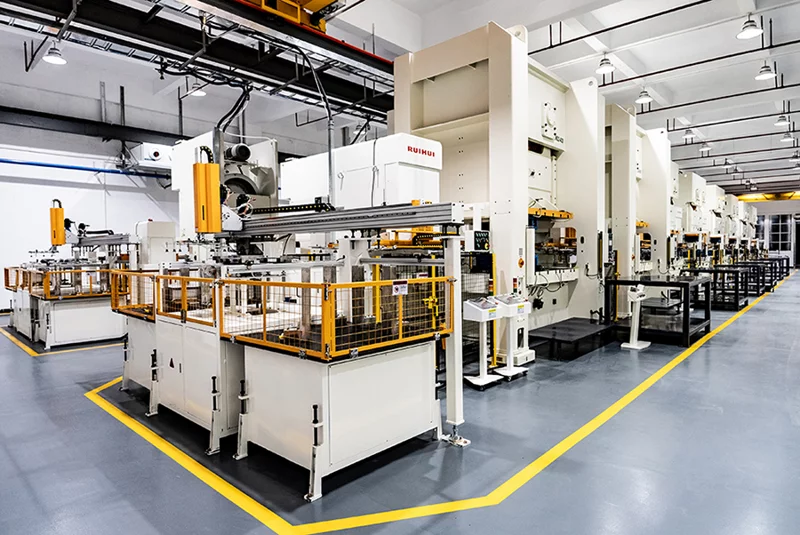
Stability also depends on the materials and manufacturing processes of key components. Regardless of the specific structural form, the core parts that a link-type transfer robot relies on—guide rails, bearings, drive shafts, and the like—must undergo rigorous heat treatment and precision machining to ensure sufficient rigidity and wear resistance. Under long-term, high-speed, high-load operating conditions, the quality of these components directly determines the equipment's lifespan and failure rate. Well-engineered designs invest heavily in these "invisible places" rather than just focusing on surface appearances.
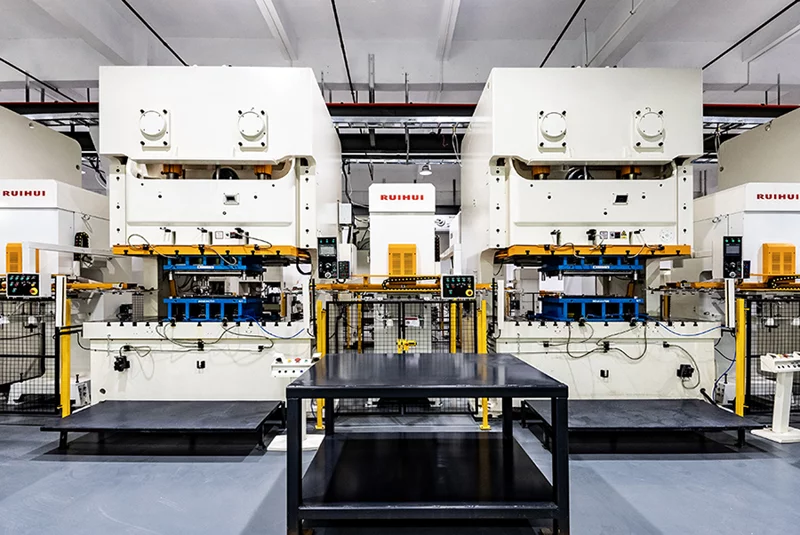
Then there's vibration control. Tandem lines operate at high speeds, and the robot generates vibrations during frequent starts, stops, and direction changes. If the mechanical structure lacks sufficient rigidity, or if the clearance between moving joints is too large, vibrations will gradually accumulate and amplify, ultimately leading to reduced positioning accuracy—or even the risk of collisions. A well-designed link-type robot incorporates vibration-dampening measures in its structural design, such as using high-rigidity cast bodies, optimizing the counterweight balance of moving components, and employing high-precision bearings to reduce operating noise and vibration, ensuring stable performance under long-term high-speed operation.
The control system is equally critical. A good control system must not only precisely manage the robot's motion trajectory, but also enable seamless communication with multiple presses, feeders, and stackers. It needs built-in fault diagnosis and early warning capabilities, alerting operators at the first sign of trouble to prevent minor issues from escalating into major shutdowns. Some advanced systems also feature operational data logging, tracking the status of key components over time to provide a basis for preventive maintenance. This control system serves as the "nerve center" that ensures long-term stable operation of the link-type transfer robot tandem line.
From a practical standpoint, replacing manual handling with a link-type transfer robot delivers multiple benefits. First, it significantly improves production efficiency—with constant cycle times and 24/7 uninterrupted operation, capacity gains are substantial. Second, it removes workers from high-speed stamping areas and heavy workpiece handling, significantly reducing safety hazards. At the same time, the robot's high repeat positioning accuracy ensures consistent part orientation and placement every cycle, effectively guaranteeing product consistency (and thus precision). These advantages translate into tangible economic benefits over the long term.
Of course, any equipment's long-term stable operation depends on proper routine maintenance. Regular lubrication, tightening, and inspections are essential to keeping the equipment in optimal condition. A professional supplier provides not just the equipment, but also comprehensive maintenance manuals and operator training to help customers establish sound equipment management practices.
In the field of multi-press tandem stamping lines, Guangdong RuiHui Intelligent Technology Co., Ltd. was an early entrant, and their link-type transfer robot solutions have mature applications in both the automotive and home appliance industries. RuiHui's equipment is known for its stability and reliability, with nearly 5,000 sets of stamping automation equipment operating steadily at customer sites both domestically and overseas. Behind this track record is RuiHui's more than two decades of continuous deep investment and optimization in mechanical structure, control systems, and manufacturing processes.
In summary, a well-designed link-type transfer robot tandem stamping line—built with quality materials and precise control—offers highly reliable long-term operational stability. It is particularly well-suited for mass-production scenarios with relatively fixed product families, where high efficiency and consistent stability are paramount.
With years of hands-on experience, I have honed my skills in navigating the complexities of global commerce, offering invaluable insights and solutions to address customer needs. My commitment to excellence and dedication to customer satisfaction ensure that I deliver exceptional service, guiding clients through every step of the trading process with confidence and proficiency.
You may also like
Related News
Latest Update