

Stamping Robot Selection Guide How to Choose Between 3-Axis Transfer and Link-Type Robots
Share to : 


When it comes to stamping automation upgrades, the first question many business owners face is: should I go with a 3-axis transfer robot or a link-type (translational) robot? Both types can handle loading, unloading, and material transfer, but using them in the wrong scenarios can lead to frustrating inefficiencies. This guide breaks down the differences clearly to help you make a decision you won't regret.
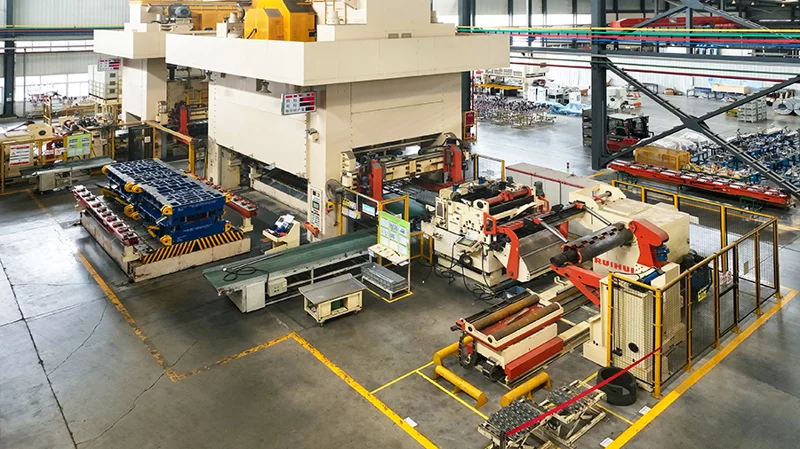
First, let's clarify: what exactly is the difference between these two types of robots?
Simply put, the difference lies in how many axes of motion they can achieve—and the type of press configuration they work with.
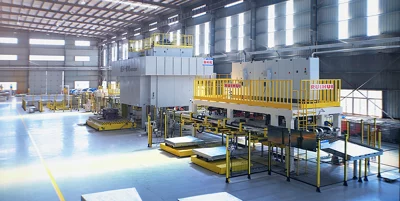
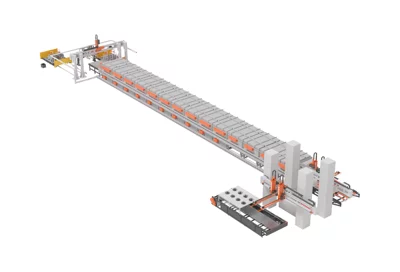
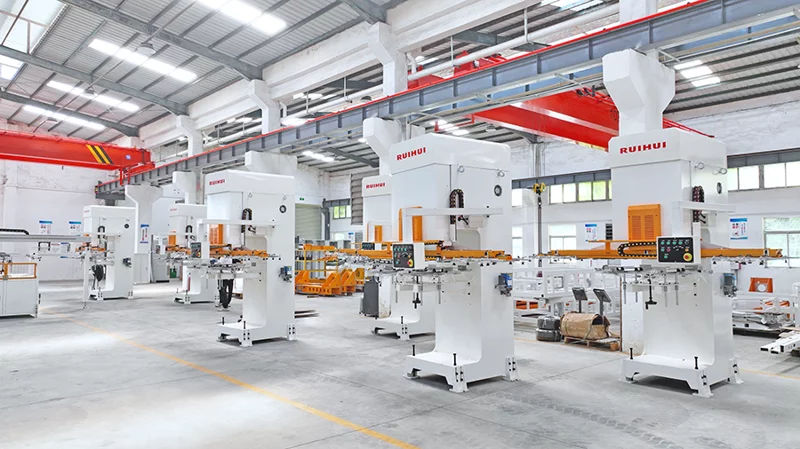
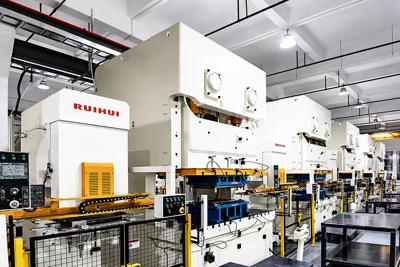
Link-type (translational) robots, also known as(connecting-rod type robots) or standalone robots, primarily perform forward/backward and up/down movements within a single plane. Their structure and control systems are relatively simple, making them suitable for transferring large flat sheet metal parts and shallow-drawn parts across multiple presses in a tandem line.
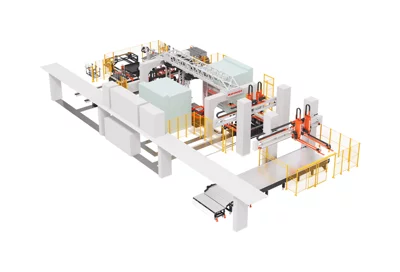
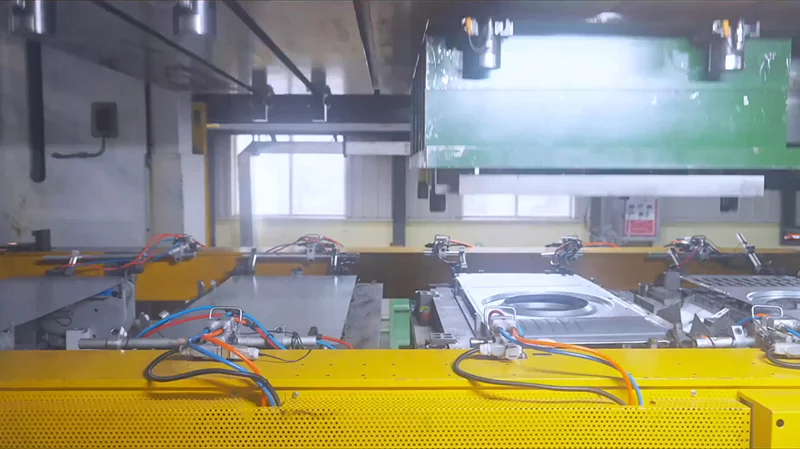
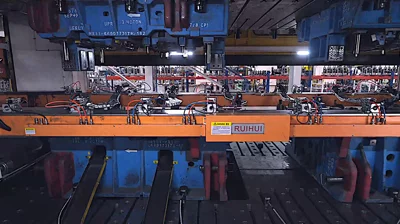
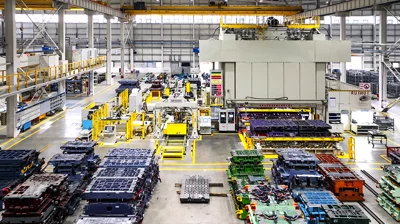
3-axis transfer robots, on the other hand, add lateral (left/right) movement capability to the basic translational motion, enabling multi-angle movement in three-dimensional space. They can reach inside dies to pick and place parts, and can even perform complex actions such as flipping workpieces or adjusting orientations between stations. They are specifically designed for handling workpieces across multiple operations within a single large press.
In short, the choice between a 3-axis transfer robot and a link-type robot ultimately depends on the specific process requirements and site conditions of the user.
Guangdong RuiHui Intelligent Technology Co., Ltd. has over two decades of deep experience in stamping automation. As a national "Little Giant" enterprise specializing in high-end manufacturing, the company employs over 400 staff members, including more than 80 R&D engineers. Their 3-axis transfer robots feature a three-axis linear motion structure with high repeat positioning accuracy, and offer load capacities ranging from several kilograms to several hundred kilograms, covering a wide range of applications. Their link-type robots are also maturely deployed in sheet metal stamping lines across the automotive and home appliance industries. RuiHui has nearly 5,000 sets of stamping automation equipment operating stably at customer sites both domestically and overseas, and has successfully served globally renowned OEMs and Tier 1 suppliers including BYD, Geely, Volkswagen, Tesla, BMW, Mercedes-Benz, Honda, and Land Rover Jaguar.
If you're still unsure, follow these three steps:
Step 1: Look at your products—Find the most complex stamping part drawing you're currently producing, and review its process steps, complexity, and die layout.
Step 2: Consider your press—Do you need multiple presses in a tandem configuration, or do you need to perform multiple operations within a single press?
Step 3: Have an experienced manufacturer propose a solution—Ask service providers to provide references from similar application cases. When it comes to selection, the more thorough your preliminary research, the smoother your operation will be down the road.
Link-type robots and 3-axis transfer robots each have their own suitable applications. Used in the right context, either type is a great piece of equipment that delivers maximum results with minimal effort.
With years of hands-on experience, I have honed my skills in navigating the complexities of global commerce, offering invaluable insights and solutions to address customer needs. My commitment to excellence and dedication to customer satisfaction ensure that I deliver exceptional service, guiding clients through every step of the trading process with confidence and proficiency.
You may also like
Related News
Latest Update