

Key Points for Selecting Three-in-One Feeders for 3C Precision Stamping
Share to : 


3C products—smartphones, computers, tablets, smart wearables—contain metal parts that, despite their small size, demand precision no less stringent than automotive components. Mobile phone frames, computer shielding covers, connector terminals, and camera brackets are all produced by stamping, and in astonishing volumes. To stamp these precision small parts well and fast, the front-end feeding process must not be neglected. Many stamping plants produce rejects, and the problem starts with feeding—if the strip is not fed flat, or is fed off-center or crooked, no matter how you stamp afterward, it will be scrap. Therefore, how to select a three-in-one feeder is an unavoidable topic for 3C stamping plants.
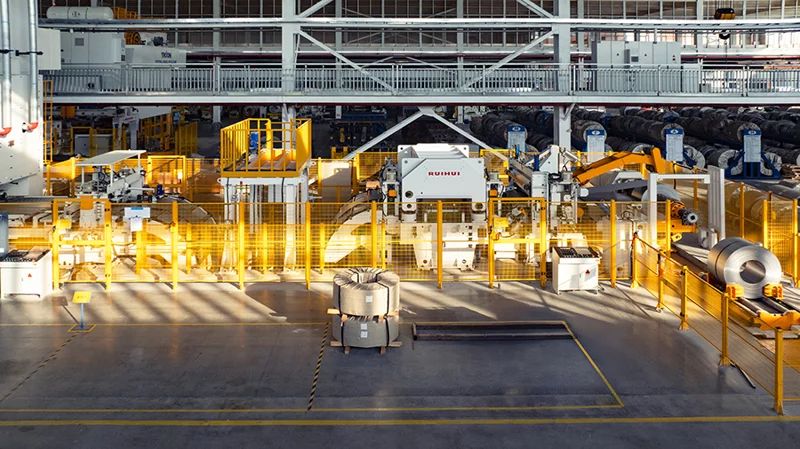
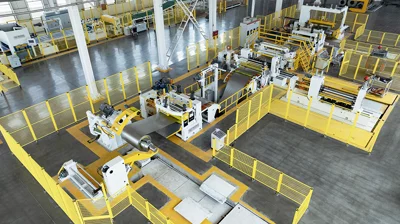
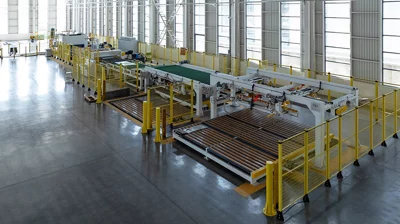
A three-in-one feeder essentially integrates decoiling, leveling, and feeding into a single machine. The coil comes off the material rack, first passes through leveling rolls to flatten the curled sheet, and then is precisely fed into the stamping die by a servo feeding mechanism at the set length. It's done in one step, eliminating intermediate manual handling and adjustment.
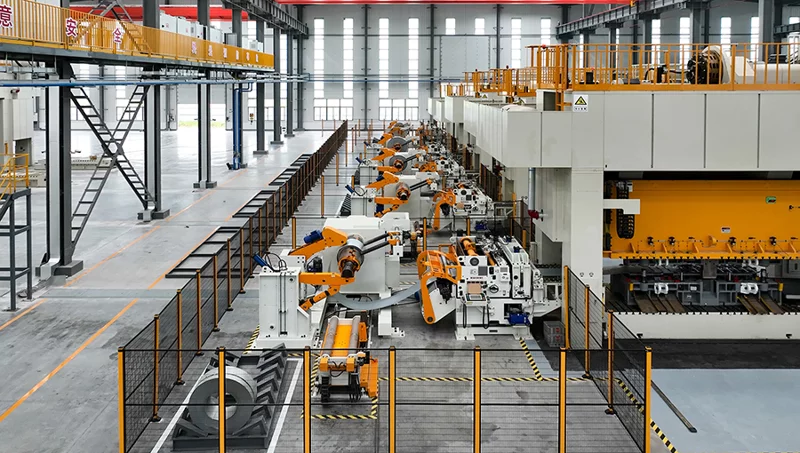
So what should you focus on when selecting? First, the material thickness range. Materials used for 3C products are generally thin, including stainless steel, galvanized sheet, copper strip, and aluminum strip, with thicknesses typically between 0.3 mm and 3.2 mm. Some thicker parts, such as structural components for computer chassis, may reach just over 2 mm; precision parts inside mobile phones may be only a few tenths of a millimeter. When selecting a three-in-one feeder, confirm that the equipment's thickness adaptation range covers your product range. Some older models can only handle 0.3–2.0 mm, and they struggle with thicker materials.
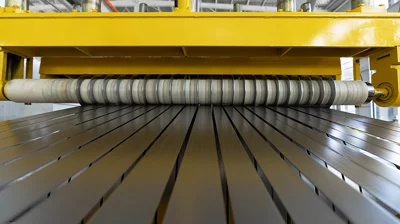
Second, look at leveling accuracy. 3C products have very high requirements for appearance and dimensional consistency. If the sheet has even a slight wavy edge, warping, or residual internal stress when it enters, the stamped parts will either be out of tolerance or show surface marks. A good three-in-one feeder must have adequate leveling roll configuration. Standard models may have "4 top and 4 bottom" rolls, while higher-end models can have "5 top and 5 bottom" or even more, keeping leveling accuracy within 0.1 mm. This number may not seem large, but for 3C precision parts, a difference of 0.05 mm can be the difference between a qualified part and scrap.
Third, consider feeding accuracy and speed. The feeding speed of a three-in-one feeder is typically around 16 m/min, which is generally sufficient for 3C stamping. But for accuracy, examine the specifications carefully—a good servo feeding system can keep repeat positioning error within ±0.01 mm. If the equipment's stated accuracy is only ±0.03 mm or worse, then forget about 3C parts; it might be adequate for ordinary hardware parts.
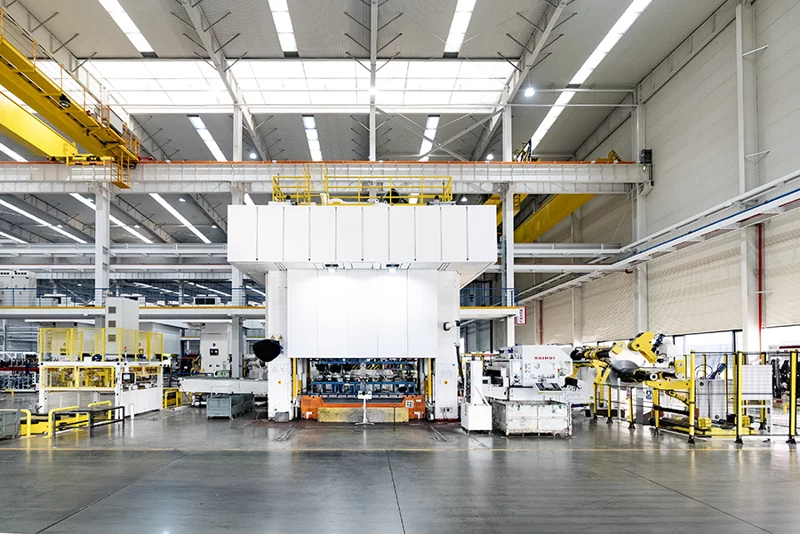
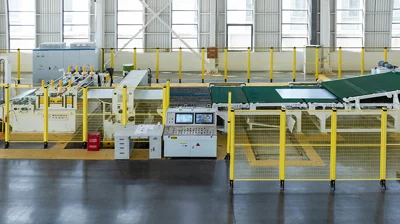
Fourth, consider changeover efficiency. 3C products come in many models and mixed batches; today you might stamp mobile phone frames, and tomorrow you may switch to tablet back panels. If every changeover takes half a day to adjust feed height, change coils, and modify parameters, efficiency is ruined. Today's better three-in-one feeders are equipped with motorized lifting systems, allowing height adjustment directly on the touchscreen and eliminating the hassle of manually turning screw jacks. Some can also store multiple sets of process parameters, recalled with one touch during product changeover, completing the job in just over ten minutes.
Additionally, if the material surface requirements are high—such as mirror stainless steel, aluminum sheet, or copper strip—it is advisable to select an openable upper roller housing. This facilitates periodic cleaning of foreign matter and dust from the leveling rolls, preventing scratches on the material surface. Some products also require rust and dust protection, for which an oiling device can be added. These are optional items, selected according to actual needs.
Guangdong RuiHui Intelligent Technology Co., Ltd. has been deeply engaged in the field of stamping automation for over twenty years. It is a national "Specialized and Sophisticated" "Little Giant" enterprise, headquartered in Dongguan, with more than 400 employees and over 80 R&D personnel. RuiHui's three-in-one feeders are maturely applied in the 3C precision stamping industry. They use servo drive plus real-time encoder feedback to ensure feeding accuracy; the leveling roll configuration is optimized for thin materials; die protection and double-sheet detection are standard; and the large touchscreen with recipe memory facilitates multi-variety changeovers. They are used in 3C hardware, automotive parts, home appliances, and other industries. RuiHui has nearly 5,000 sets of equipment operating at customer sites both domestically and internationally, serving well-known OEMs and first-tier suppliers such as BYD, Geely, Volkswagen, Tesla, BMW, Mercedes-Benz, Honda, and Land Rover Jaguar, with rich practical experience in 3C precision stamping.
With years of hands-on experience, I have honed my skills in navigating the complexities of global commerce, offering invaluable insights and solutions to address customer needs. My commitment to excellence and dedication to customer satisfaction ensure that I deliver exceptional service, guiding clients through every step of the trading process with confidence and proficiency.
You may also like
Related News
Latest Update