

Turnover Machine as Standalone Process Equipment Sheet Flipping Solution Outside the Press
Share to : 


In stamping and sheet metal processing workshops, flipping sheets and workpieces is an easily overlooked but actually troublesome step. Especially flipping entire stacks of sheets—dozens or hundreds of sheets per stack, weighing hundreds of kilograms or even several tons—manual labor simply cannot handle it. The turnover machine is equipment designed specifically for this task. But how exactly the turnover machine is used and where it is installed—many people are not clear. Let's clarify it here.
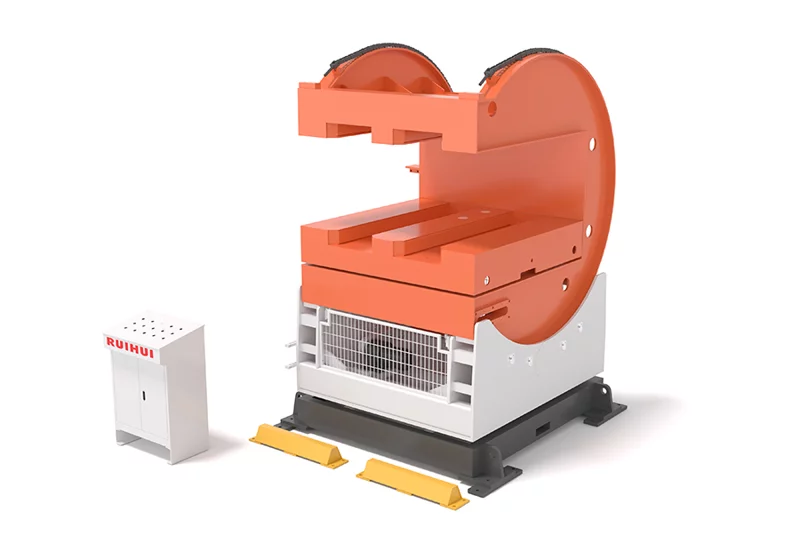
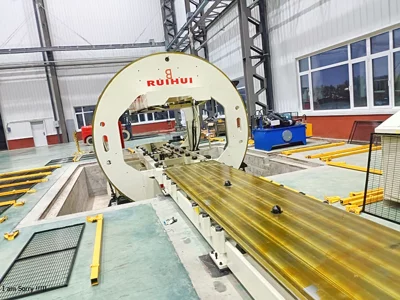
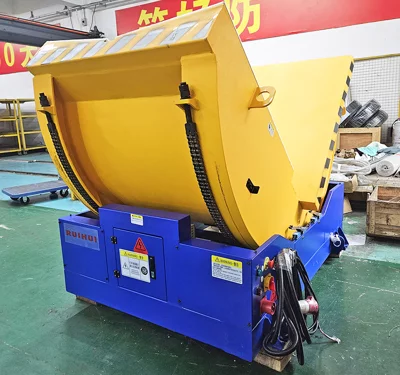
First, clarify the positioning of the turnover machine: it flips an entire stack of sheets by 90° or 180° as required. Note that it is "an entire stack"—not one or two sheets, but the whole stack flipped together. This kind of whole-stack flipping cannot be handled manually at all—not to mention flipping, you cannot even push it.
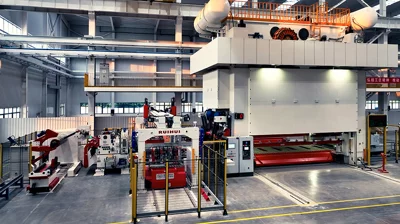
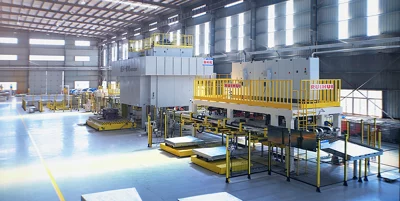
The turnover machine is standalone process equipment; it is not an action completed inside the press. This point is very important. Some operations are completed inside the press, such as stamping and forming, where workpieces are processed in the die. But flipping an entire stack of sheets is not an in-press operation. It is completed outside the press as an independent process. The turnover machine is usually arranged at nodes in the stack flow, such as the transition position between the blanking line and the stamping line, or at the collection end of the production line, responsible for flipping the entire stack to the required orientation according to process requirements.
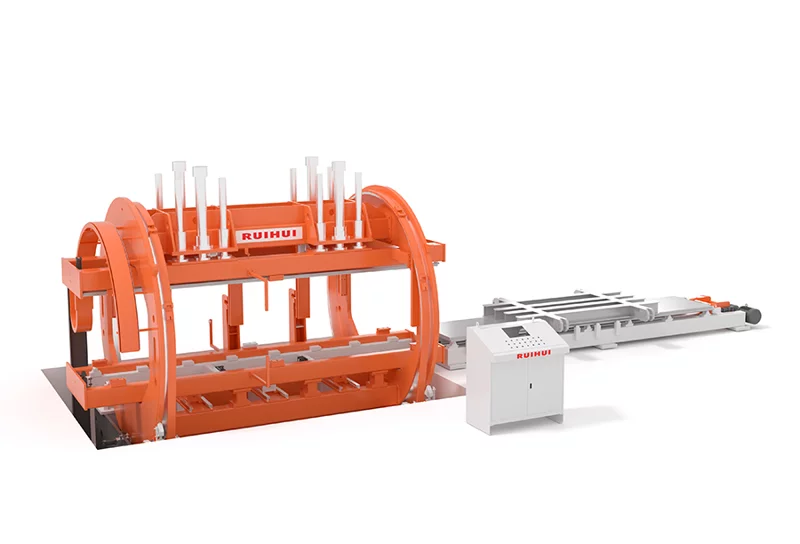
The turnover machine is also not used on tandem lines between presses. What is transferred between presses is individual workpieces, one at a time, handled by loading and unloading equipment. What the turnover machine flips is an entire stack of sheets, one stack at a time—completely different tasks. Separate these two concepts, and you understand what the turnover machine does—it is standalone process equipment that handles whole-stack flipping that manual labor cannot manage.
So how is the sheet flipping solution outside the press specifically implemented? The working process of the turnover machine is as follows: the entire stack of sheets is delivered to the turnover machine's table by conveyor or trolley; the table's clamping mechanism securely holds the stack to prevent shaking or slipping during flipping; then the table's rotation mechanism starts, smoothly flipping the entire stack by 90° or 180°; once in position, the table stops and positions the stack, which is then placed at the discharge position and sent to the next process. The entire process is completed automatically; workers only need to start the program on the control panel.
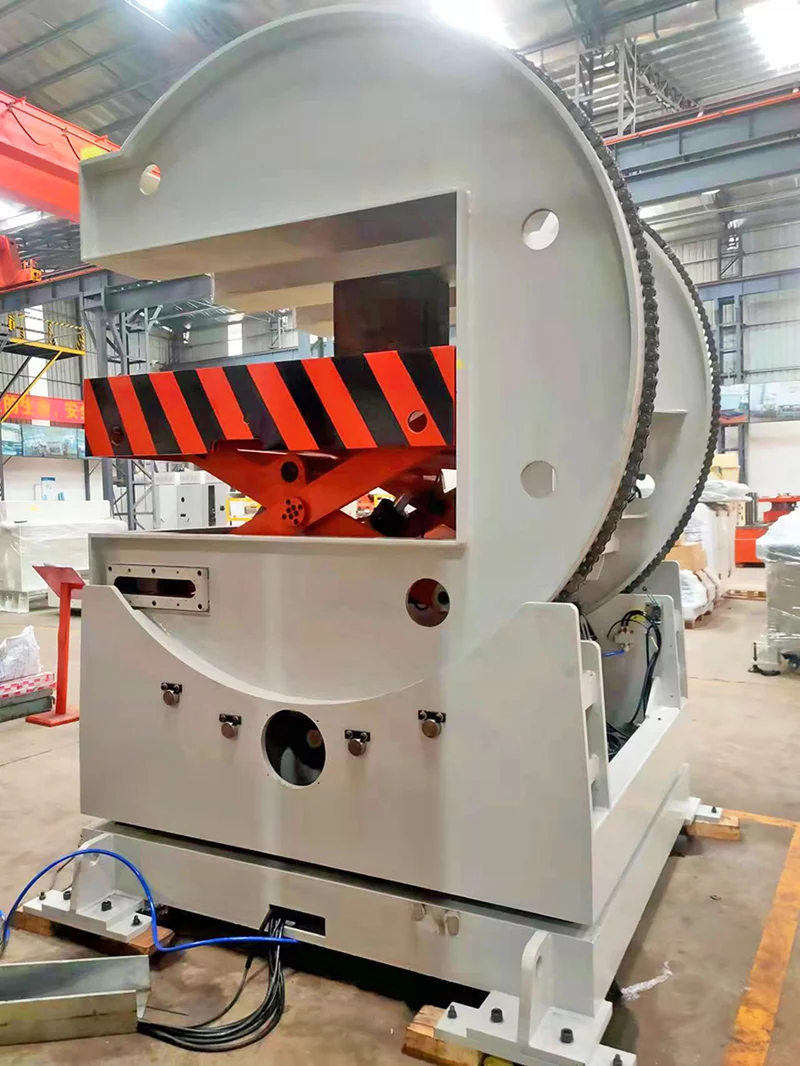
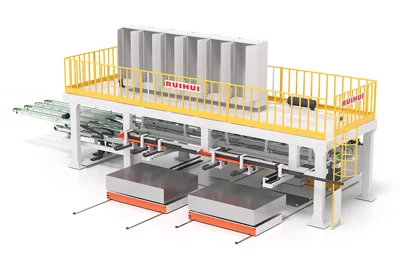
In production line applications, several scenarios are common for turnover machines. First, when stacks stacked by the blanking line need to be flipped or reoriented according to the process, a turnover machine is placed at the transition position; after flipping, the stack enters the destacker for feeding. Second, at the collection end of the production line, finished stamped products are stacked and need to be flipped for inspection or to change storage orientation; the turnover machine takes over at the collection step. Regardless of its location, it is used as standalone process equipment, performing the task of whole-stack flipping.
After adopting a turnover machine, whole-stack flipping is no longer a challenge. What previously required crane lifting and manual assistance is now completed automatically at the push of a button—smoothly, safely, and quickly. Process requirements are met, material flow on the line is smooth, and workers no longer have to handle heavy, hazardous stacks, reducing both physical labor and safety risks. As standalone process equipment, the turnover machine reliably handles whole-stack flipping that manual labor cannot manage—a truly practical link in stamping and sheet metal automation.
Guangdong RuiHui Intelligent Technology Co., Ltd. has been deeply engaged in the field of stamping automation for over twenty years. It is a national "Specialized and Sophisticated" "Little Giant" enterprise, headquartered in Dongguan, with more than 400 employees and over 80 R&D personnel. RuiHui's turnover machines use servo-driven flipping mechanisms for smooth flipping and precise positioning. Load capacities range from hundreds of kilograms to several tons for entire stacks. They can flip 90° or 180°, and the reliable clamping mechanism ensures stack stability without scattering during flipping. As standalone process equipment arranged at stack flow nodes, they have mature applications in sheet flipping processes in automotive sheet metal, home appliances, hardware, and other industries. RuiHui has supplied turnover machines and supporting automation solutions to numerous stamping and sheet processing companies. With nearly 5,000 sets of equipment operating at customer sites both domestically and internationally, serving well-known OEMs and first-tier suppliers such as BYD, Geely, Volkswagen, Tesla, BMW, Mercedes-Benz, Honda, and Land Rover Jaguar, RuiHui has rich experience.
With years of hands-on experience, I have honed my skills in navigating the complexities of global commerce, offering invaluable insights and solutions to address customer needs. My commitment to excellence and dedication to customer satisfaction ensure that I deliver exceptional service, guiding clients through every step of the trading process with confidence and proficiency.
You may also like
Related News
Latest Update