

Difference Between NC Straightener Feeder and Independent Decoiler Straightener Feeder
Share to : 


Traditionally, decoiling, straightening, and feeding are completed by three separate machines. While the technology is mature, it has certain limitations in terms of operation, adjustment, and space utilization. With technological advancements, the NC straightener feeder has emerged. By integrating straightening and feeding into one unit, coil processing can be completed more efficiently. Next, we will explore the differences between them.
About Floor Space
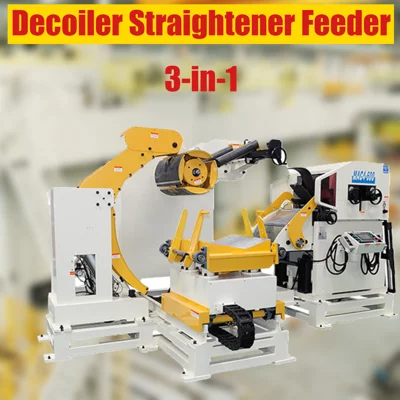
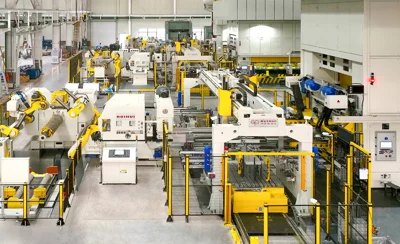
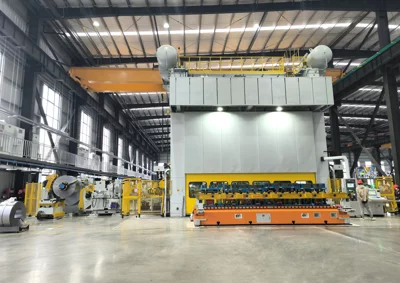
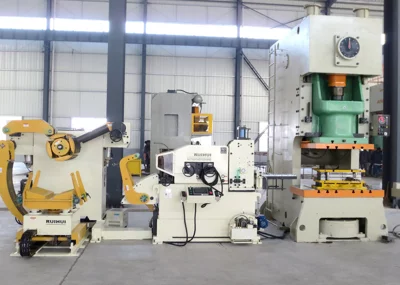
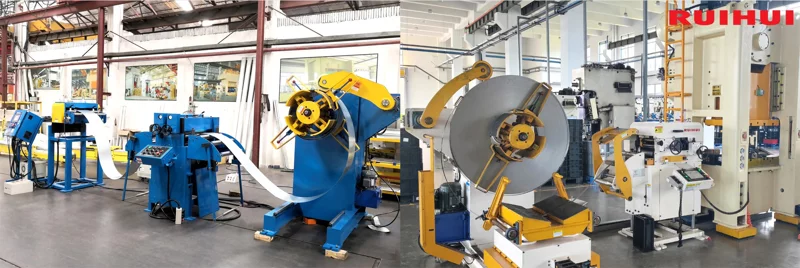 (You can see that the NC straightener feeder has a smaller footprint.)
Traditionally, decoiler, straightener, and feeder are installed independently, requiring a certain amount of space between the equipment, resulting in a large amount of factory space being occupied.
In contrast, the NC straightener feeder integrates straightening functions into one unit. These machines are typically shorter, leading to a more compact production line layout and reducing the floor space by approximately 20%. For companies with limited factory space, the NC straightener feeder offers a significant advantage in space utilization.
About Investment Cost
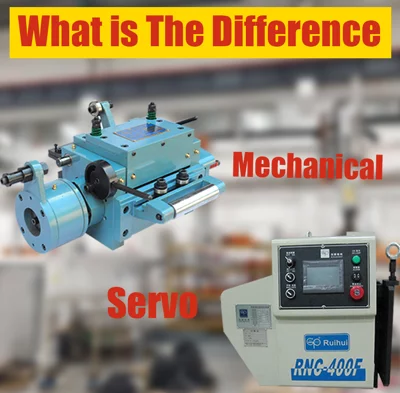
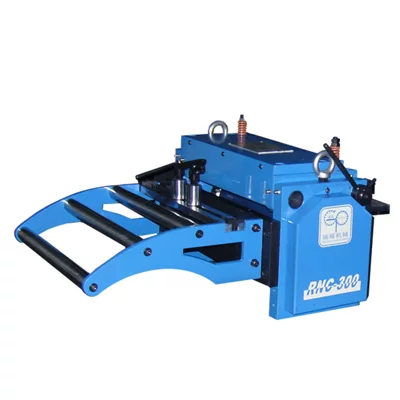
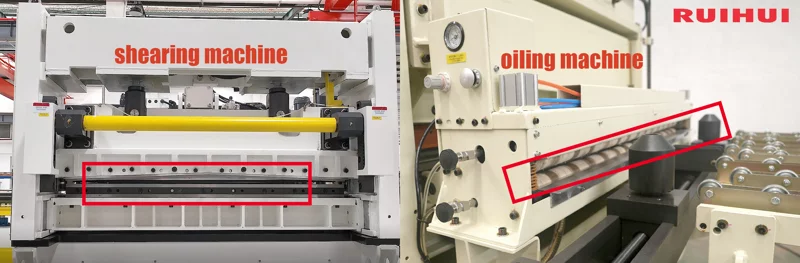 (Here is the shearing machine and oiling machine of RUIHUI's NC straightener feeder.)
Compared to three separate machines, the NC straightener feeder features an integrated design, thus requiring higher standards of process control during installation and manufacturing. Its operating system integrates the control of decoiling, straightening, and feeding, achieving unified management and efficient coordination, which also places higher demands on development and design. Furthermore, the NC straightener feeder can be optionally equipped with a shearing machine and an oiling machine. Overall, the investment cost of a single NC straightener feeder is typically higher than the combined cost of three separate machines.
About Operation
When using the independent decoiler, straightener, and feeder for the first time, or when changing to a different size coil, each machine needs to be adjusted separately. Due to the spacing between the machines, operators need to frequently move back and forth during the adjustment process, making the operation cumbersome.
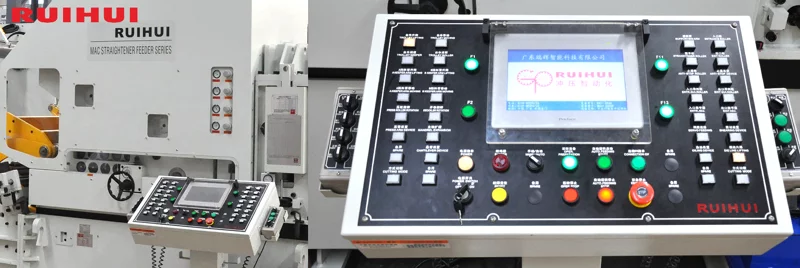 (Here is the control panel of RUIHUI's NC straightener feeder. You can adjust the straightener from here.)
In contrast, the NC straightener feeder, with its compact structure and integrated operating system, offers much easier adjustment. Straightening parameters can be set to automatic adjustment, and the operating system has a parameter memory function. After the initial adjustment, subsequent changes to the same type of coil don't require repeated adjustments; previously set parameters can be directly recalled, improving work efficiency.
About Maintain
The independent machine has a relatively simple structure, with ample space between components, making maintenance and servicing convenient.
The NC straightener feeder integrates the leveling and feeding functions within a single machine body, resulting in a compact component layout. Therefore, maintenance and servicing are somewhat less convenient due to limited working space.
(Here is a comparison between the NC straightener feeder and the independent decoiler, straightener, feeder.)
| Item | NC Straightener Feeder | Independent Decoiler Straightener Feeder |
| Footprint | Relatively Small | Large |
| Cost | Relatively High | Moderate |
| Adjustment | Convenient | Relatively Troublesome |
| Maintenance | Relatively troublesome | Moderate |
| Efficiency | High | Moderate |
| Stability | High | Moderate |
(Here is a video about the operation test of RUIHUI's NC straightener feeder MAC4-H.)

With years of hands-on experience, I have honed my skills in navigating the complexities of global commerce, offering invaluable insights and solutions to address customer needs. My commitment to excellence and dedication to customer satisfaction ensure that I deliver exceptional service, guiding clients through every step of the trading process with confidence and proficiency.