

New Energy Motor Cut-to-Length Line Equipment Selection Guide
Share to : 


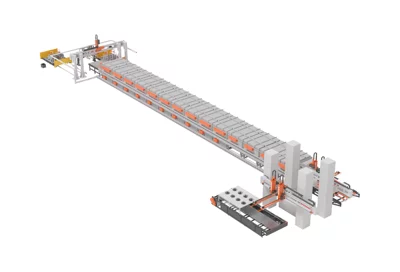
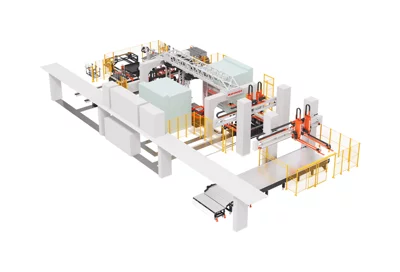
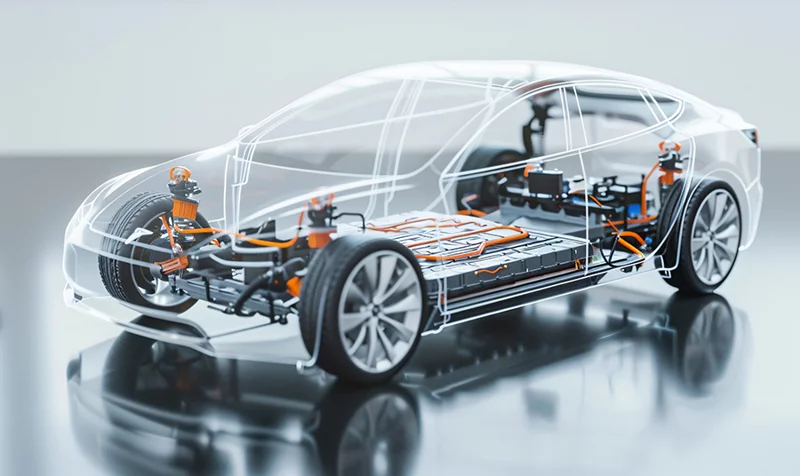
The new energy motor industry has been on fire in recent years, especially drive motors—one per vehicle at minimum, and some even have two. One of the most core components of a motor is the laminated core, which is made by stacking silicon steel sheets. How are these silicon steel sheets produced? Through cut-to-length lines.
Compared to standard cut-to-length lines, those used for motor cores have several distinct differences. First is the material. The silicon steel used for motor cores—especially high-grade non-oriented silicon steel—is relatively brittle and hard. Ordinary blades tend to produce burrs when cutting this material. Burrs have a significant impact on motor performance—during lamination, they can cause inter-sheet short circuits, increasing iron losses and causing severe motor heating. Therefore, on cut-to-length lines for silicon steel, blade material and shear clearance must be tightly controlled.
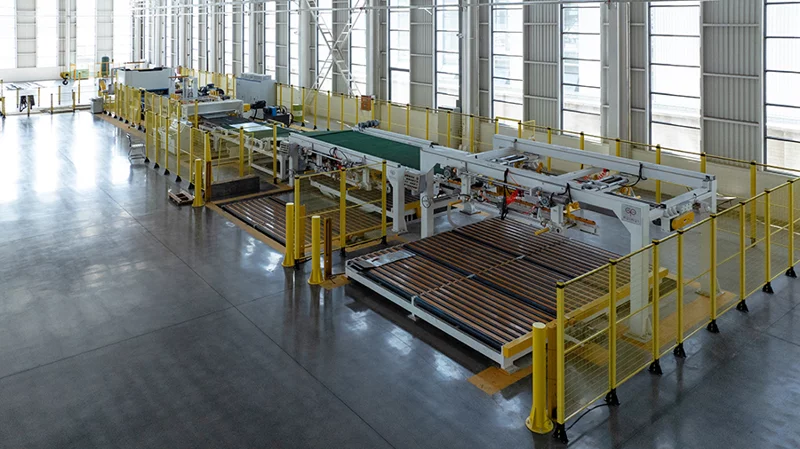
Second is the shape. Many motor core laminations are not simple rectangles but curved sector-shaped pieces, or even irregular shapes. If the cut-to-length line can only make right-angle cuts, it simply won't work for this application. This is where swing shear technology comes into play. Swing shearing means the shear can adjust its angle during cutting, producing sheets with beveled edges. When combined with subsequent stamping processes, it directly yields curved core laminations without the need for additional edge trimming—saving both material and process steps.
Third is precision. Motor core lamination requires extremely high stacking accuracy—the dimensional tolerance of each silicon steel sheet must be kept within a very tight range; otherwise, the stacked core will be either crooked or loose. The precision requirements for cut-to-length lines in this application are typically several times higher than those for general-purpose shearing. A high-quality motor cut-to-length line is equipped with a high-precision linear scale positioning system, ensuring extremely accurate feed and shear position feedback so that every cut lands exactly where it should.
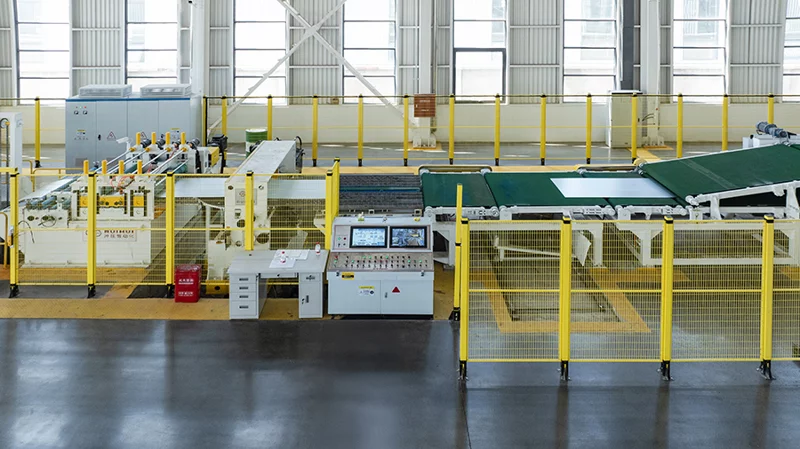
One often overlooked detail is burr direction. Motor core laminations have strict requirements regarding burr orientation—if the burr direction is wrong, it may affect the magnetic circuit during stacking. Therefore, design considerations such as shearing direction and blade angles must be addressed at the equipment design stage.
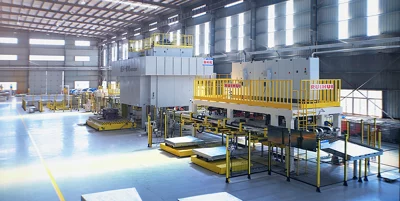
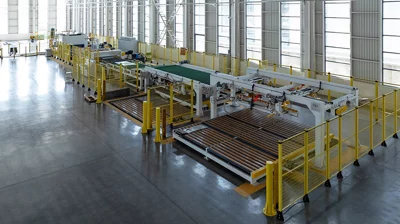
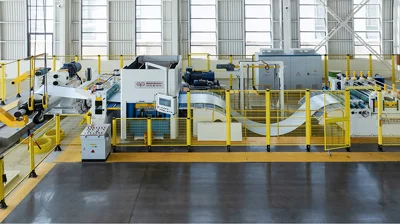
Guangdong RuiHui Intelligent Technology Co., Ltd. has been deeply engaged in the stamping automation field for many years and has numerous proven cut-to-length line installations tailored to new energy motor core sheet processing. RuiHui's equipment can be customized to suit different customers' processing characteristics. Feedback from many new energy industry clients confirms that the equipment operates stably, and the cut sheets fully meet the high standards required for core lamination production.
When selecting a new energy motor cut-to-length line, there's no need to blindly pursue ultra-high-end specifications. As long as you stay aligned with your actual production scenario—and focus on the core factors of precision, stability, and changeover convenience—the equipment you choose will serve you well and deliver meaningful support to your production.
With years of hands-on experience, I have honed my skills in navigating the complexities of global commerce, offering invaluable insights and solutions to address customer needs. My commitment to excellence and dedication to customer satisfaction ensure that I deliver exceptional service, guiding clients through every step of the trading process with confidence and proficiency.
You may also like
Related News
Latest Update