

Understand the Feeding Length in Metal Stamping
Share to : 


In modern metal stamping, the coil feeder is responsible for feeding the coil strip into the subsequent equipment according to the feeding length. Based on the driving method, coil feeders can be divided into mechanical feeders and servo feeders. Next, we will discuss the feeding length.
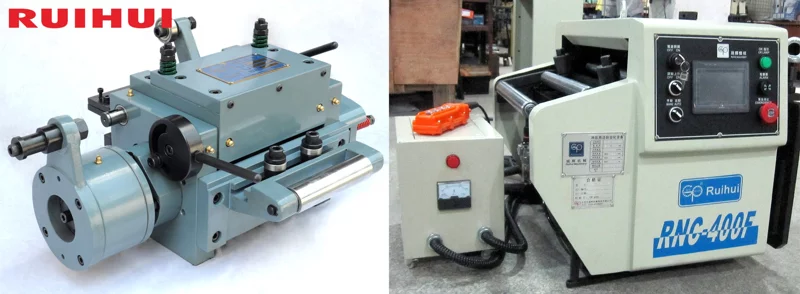 (Mechanical feeder and servo feeder.)
What is Feeding Length
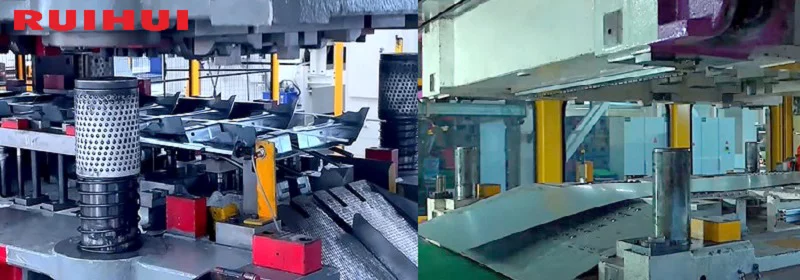 (Progressive die stamping and sheet blanking.)
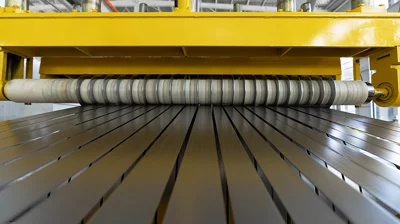
Feeding length refers to the length of metal strip that moves during a single feeding cycle. The accuracy of the feeding length determines the quality of the finished product. Its meaning varies depending on the application. In a progressive die stamping line, it represents the spacing between adjacent workstations within the die. If the strip fails to advance precisely along workstations, the stamping will be incomplete, resulting in defective finished products and causing some damage to the die. In a blanking line, it represents the length of the sheet.
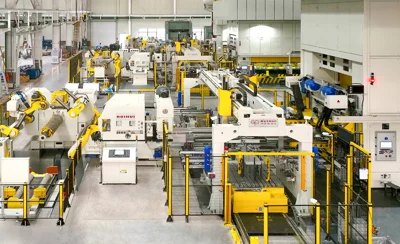
(Here is a progressive die stamping line.)
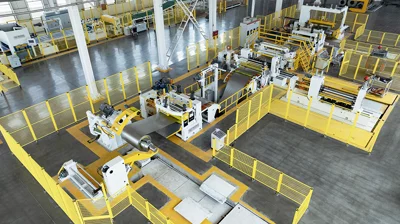
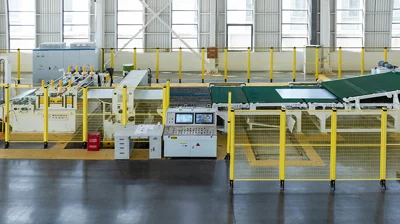
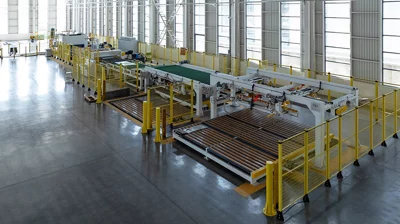
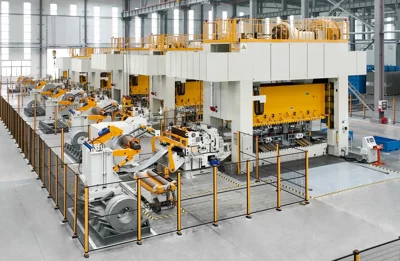
(Here is a coil blanking line.)
Factors Affecting Feeding
1. Coil Strip Surface
Oil stains on the strip surface may cause the feeding rollers to slip, resulting in a shorter feeding length.
2. Feeding Roller Pressure
Excessive pressure from the feeding rollers increases feeding resistance, resulting in a shorter feeding length. Insufficient pressure from the feeding rollers fails to clamp the coil strip tightly, resulting in a shorter feeding length.
3. Feeding Position
Misalignment between the feeding line and the die's centerline causes obstructed feeding and results in a shorter feeding length.
4. Electrical Signal Delay
The servo motor of a servo feeder can only execute actions after receiving an electrical signal. If the electrical signal is delayed due to interference during transmission, the feeding action will not be accurately coordinated with the press cycle, resulting in feeding deviation.
How to Measure Feeding Length
1. Adjust the press slide to near the bottom dead center position, ensuring moderate pressure from the feed rollers.
2. Feed the strip into the feeder and mark the strip at the feed inlet.
3. After several presses, stop the slide at the bottom dead center position again and mark the same spot again.
4. Remove the strip, measure the length between the two marks, and divide by the number of presses to roughly calculate the feeding length.
How to Adjust Feeding Length
Different drive systems require different methods for adjusting the feeding length. Mechanical feeders change the feeding length by adjusting the connection point. The specific operation is performed on the eccentric disc on the side of the press. This manual adjustment requires a high level of operator experience.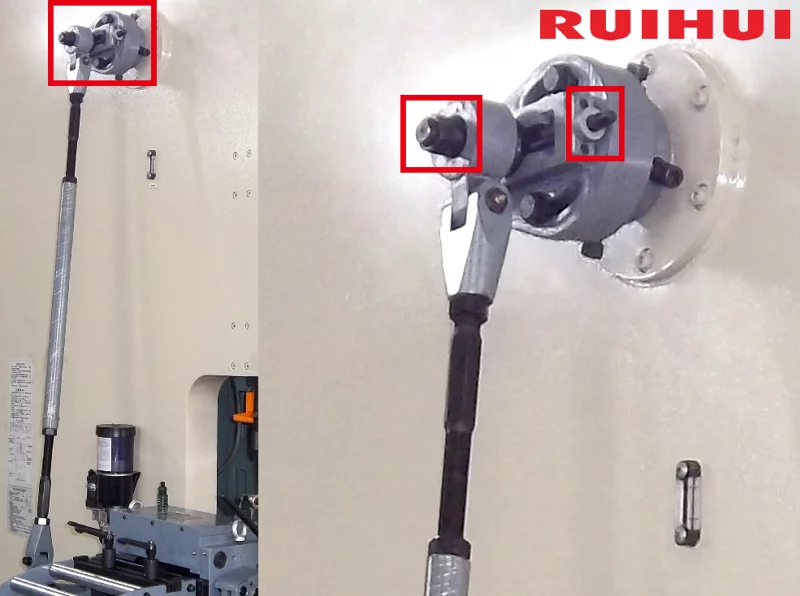 (Linkage rod adjustment of mechanical feeder. Loosen the nut, then adjust it by the small bolt.)
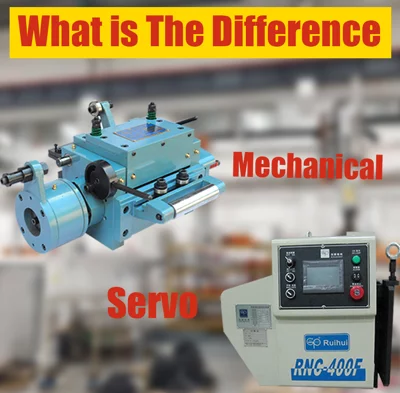
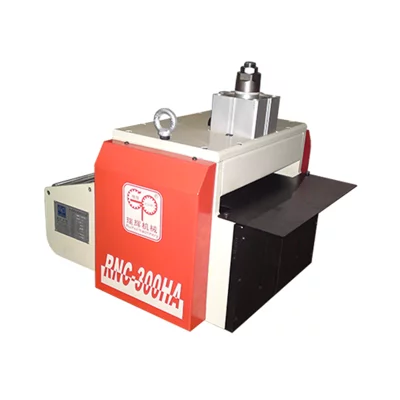
In contrast, servo feeders allow for direct input and setting of the feeding length parameters on the control panel, enabling rapid adjustment. Here is the comparison of RUIHUI's mechanical feeder RF and servo feeder RNC, RNC-HA, RNC-F. If you are interested in coil feeders or have any questions, you can contact us. Thank you for reading.
| Item | Mechanical Feeder | Servo Feeder | ||
| RF | RNC | RNC-HA | RNC-F | |
| Max Coil Width | 500mm | 1300mm | 1300mm | 400mm |
| Coil Thickness | 0.1~3.5mm | 0.1~3.2mm | 0.3~3.2mm | 0.2~3.2mm |
| Feeding Accuracy | ±0.05mm | ±0.2mm | ±0.2mm | ±0.2mm |
With years of hands-on experience, I have honed my skills in navigating the complexities of global commerce, offering invaluable insights and solutions to address customer needs. My commitment to excellence and dedication to customer satisfaction ensure that I deliver exceptional service, guiding clients through every step of the trading process with confidence and proficiency.
You may also like
Related News
Latest Update