

Application of NC Straightener Feeder in Automotive Industry
Share to : 


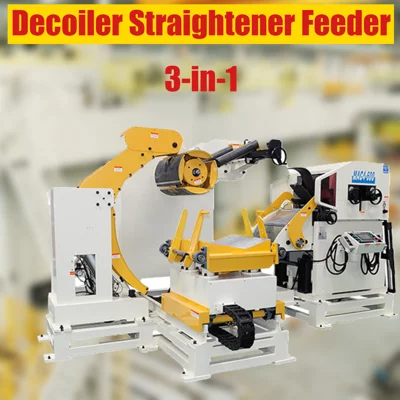
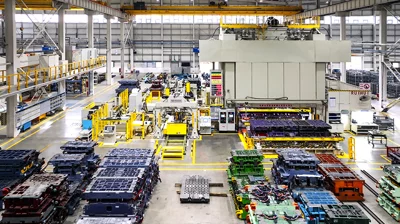
Against the backdrop of highly automated and large-scale production in the automotive industry, stamping is the core process in the manufacturing of components. The state of the metal strip or sheet before entering the die directly affects the quality of the final product. NC straightener feeders, by integrating decoiling, precision straightener, and servo feeding, have become indispensable equipment in modern automotive stamping production lines. Next, we will explore the application of NC straightener feeder in automotive industry.
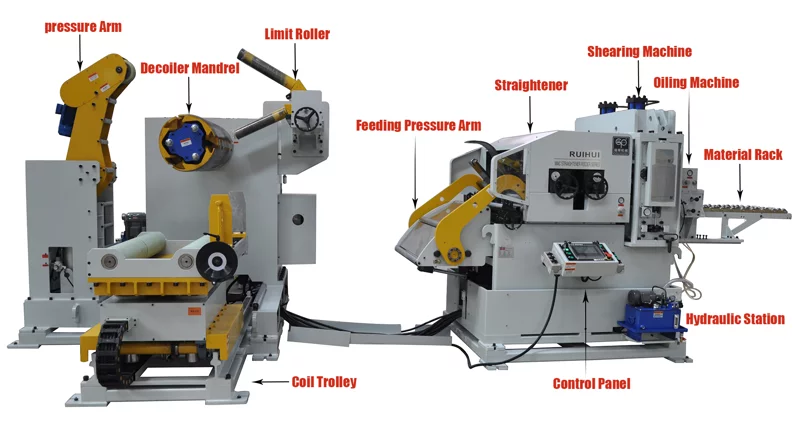 (Composition of NC leveling feeder.)
Features of Automotive Industry Stamping
1. Automotive components are relatively large, and the coils used are generally wide and thick. The structural components require high strength.
2. High flatness and feeding accuracy are required.
3. High production efficiency is essential, with minimal machine adjustment time and easy operation.
Advantages of NC Straightener Feeder
1. Compact footprint, saving floor space and allowing more equipment to be deployed in production.
2. Excellent leveling performance and precise feeding. It can level the strip up to 2000mm wide and 12.0mm thick, with a feeding accuracy of ±0.2mm.
(Here is the comparison of RUIHUI's NC straightener feeder MAC2, MAC3, MAC4, MAC4-F, MAC4-H, MAC5-H, MAC6-H.)
| Item | MAC2 | MAC3 | MAC4 | MAC4-F | MAC4-H | MAC5-H | MAC6-H |
| Coil Width | 50~800mm | 50~1000mm | 70~2000mm | 70~2000mm | 70~2000mm | 100~2000mm | 100~2000mm |
| Coil Thickness | 0.3~3.2mm | 0.3~4.5mm | 0.6~6.0mm | 0.6~6.0mm | 0.6~6.0mm | 0.8~9.0mm | 2.0~12.0mm |
| Max Coil Weight | 7000kg | 7000kg | 7000kg | 10000kg | 10000kg | 10000kg | 10000kg |
| Straightening Roller | Upper6/Lower5 | Upper 4/Lower 3 | Upper 4/Lower 3 | Upper 6/Lower 5 | Upper 6/Lower 5 | Upper 5/Lower 4 | Upper 3/Lower 3 |
| Feeding Speed | 16m/min | ||||||
| Feeding Accuracy | 0~500m/±0.2mm | ||||||
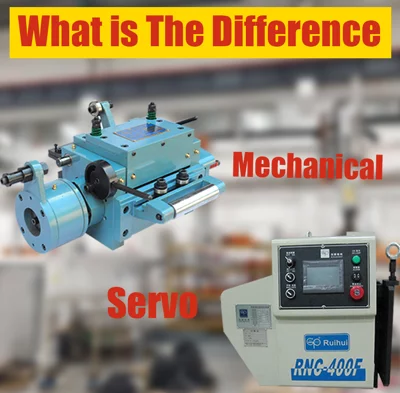
3. High degree of automation. Decoiling: automatic coil loading, photoelectric detection of coil arc length, and automatic adjustment of decoiling speed. Straightening: straightening parameters can be memorized, and the straightening amount can be electrically adjusted. Feeding: servo feeding allows for free adjustment of the feeding space, eliminating the need for manual adjustment as required by mechanical feeders.
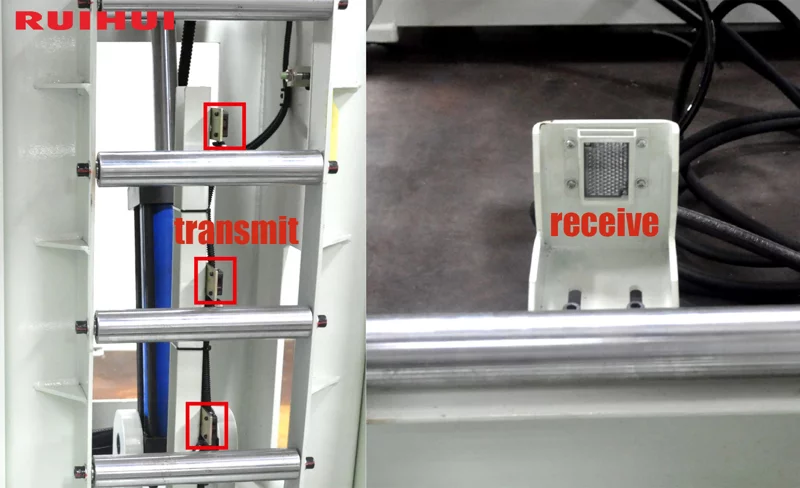 (Photoelectric detection consists of transmitter and receiver.)
Applications
1. Progressive Die Stamping
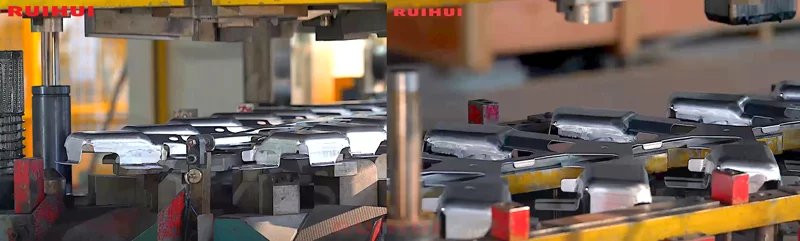 (Products from continuous stamping are attached to the strip.)
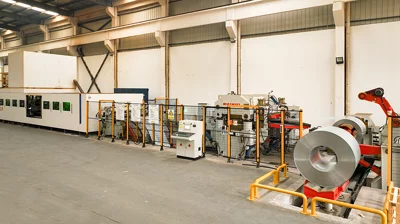
The NC straightener feeder levels the metal strip and feeds it into the progressive die according to a preset feeding space. The finished products include parts such as connecting plates and brackets. Because progressive die stamping involves continuous feeding and fixed die stations, it requires a high degree of accuracy for repeated feeding.
(NC straightener feeder for progressive die.)
2. Transfer Die Stamping
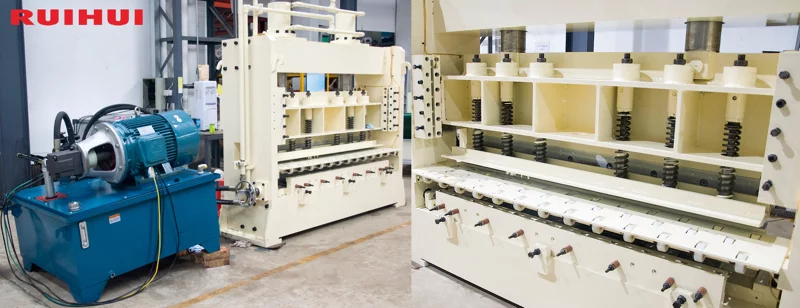 (This shearing machine is larger than the standard ones. It can better handle wider and thicker strips.)
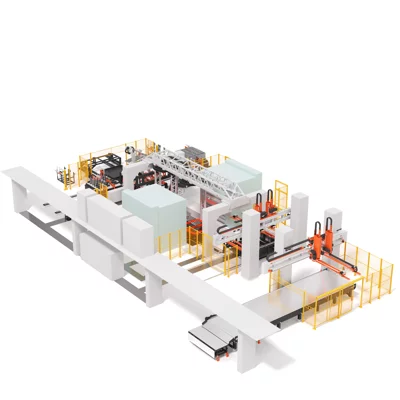
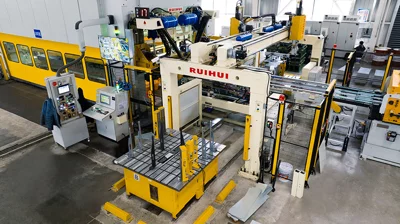
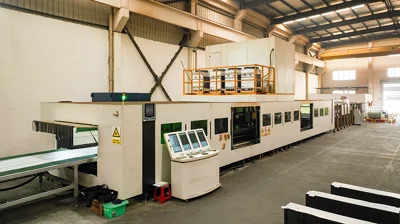
The NC straightener feeder levels the metal strip, which is then cut by a shear into sheets of consistent length. To ensure that the sheet is of uniform size, it is necessary to ensure that the strip is fed accurately according to the feeding space. The shearing machine is placed behind the oiling machine. After shearing, the sheets are directly fed onto the conveyor belt to the press inlet, and the 3-axis transfer system handles the transfer between dies within the press.
(NC straightener feeder for transfer die stamping.)
With years of hands-on experience, I have honed my skills in navigating the complexities of global commerce, offering invaluable insights and solutions to address customer needs. My commitment to excellence and dedication to customer satisfaction ensure that I deliver exceptional service, guiding clients through every step of the trading process with confidence and proficiency.
You may also like
Related News